Last reviewed
Background
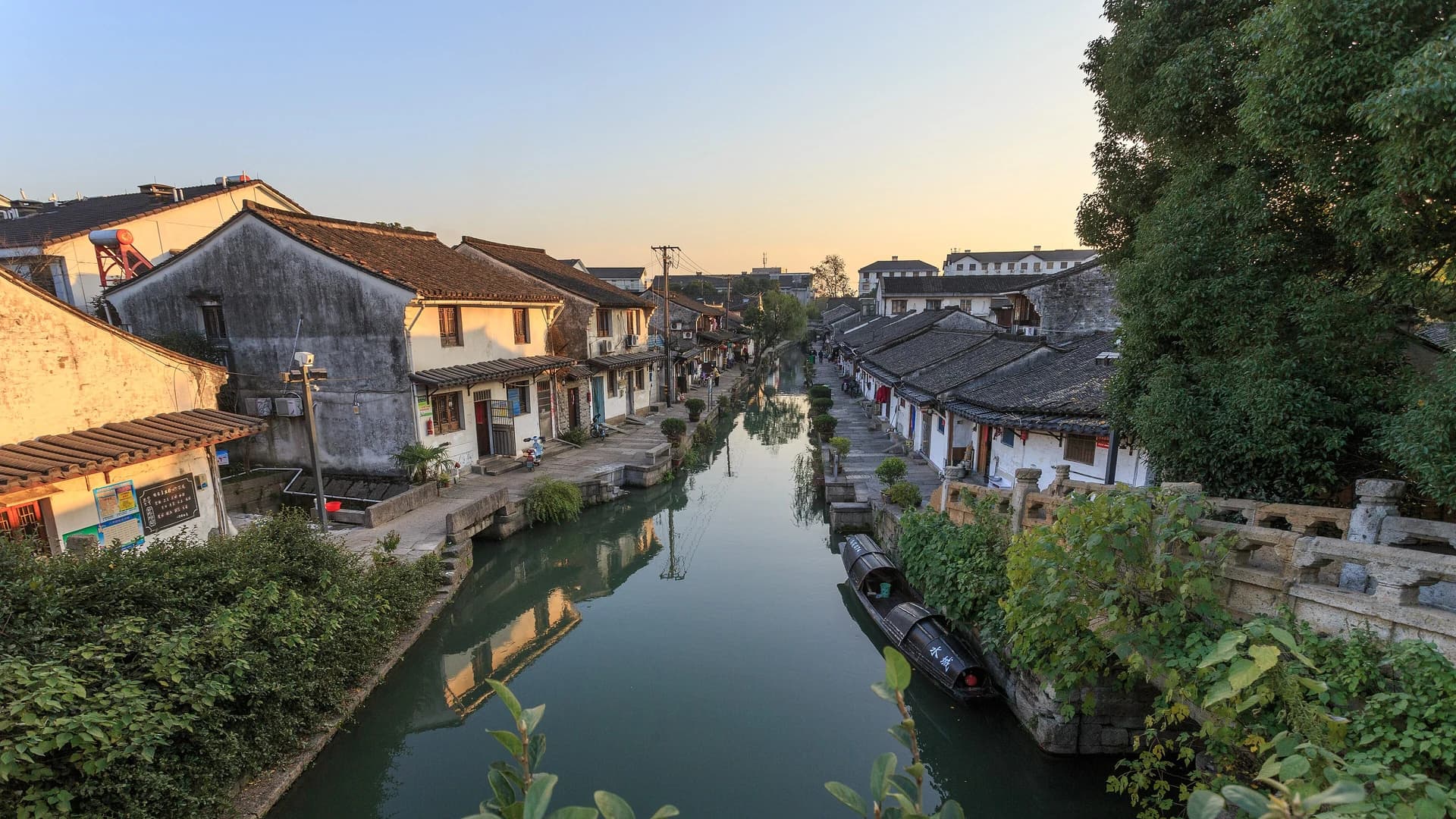
A canal city where Yue history and modern literature share the same streets.
Shaoxing developed in the river-and-canal country south of Hangzhou Bay and carries strong associations with the ancient state of Yue. Bridges, waterways, old lanes, tomb and ritual landscapes, and later urban rebuilding reveal different historical layers rather than one intact ancient city.
The city’s cultural identity is inseparable from calligraphy at Orchid Pavilion, the writing of Lu Xun, Yue opera traditions from the wider prefecture and Shaoxing yellow wine. Visiting these places works best when literary stories, material heritage and living local culture are read together.
Recommended itineraries
Recommended itineraries
Central Shaoxing rewards walking and short transfers; Orchid Pavilion, Wuxie and other outer sites need separate time. Check current reservations and never rely on the PDF’s former transport details.
Literature and the water city
A first visit joining Shaoxing’s best-known writers, gardens, canals and Yue heritage.
- Day 1 · Visit Lu Xun’s hometown early, continue to Shen Garden and walk a public section of the historic canal streets at an unhurried pace.
- Day 2 · Choose East Lake and the Dayu Mausoleum area, leaving time for a museum or yellow-wine interpretation stop rather than adding a distant county excursion.
Calligraphy, stone and lake landscapes
A broader route that separates western and southern clusters from the old-city core.
- Day 1 · Lu Xun’s hometown, Shen Garden and a historic canal district.
- Day 2 · Orchid Pavilion, then Keyan, Jianhu or Lu Town according to current access and your interest in landscape versus literary interpretation.
- Day 3 · Choose the Dayu Mausoleum area near the city or make the longer trip to Wuxie in Zhuji after checking weather and return transport.
Attractions & practical tips
What to see—and how to approach it.
Lu Xun’s hometown
鲁迅故里
A group of family residences, school and neighborhood sites associated with Lu Xun, whose writing transformed places and people from Shaoxing into modern Chinese literature.
Practical tips
- Read the author’s work and the site interpretation together; reconstructed visitor circulation is not identical to the neighborhood of his childhood.
- Use the current reservation system and visit early when possible because narrow interiors become crowded quickly.
Shen Garden
沈园
A restored garden best known through the story and poetry of Lu You and Tang Wan, combining literary memory with southern garden design.
Practical tips
- Treat the famous romance through its historical and literary context rather than as a simple legend.
- Look for inscriptions, water, rock and spatial sequence; current performances are optional and schedules change.
Orchid Pavilion
兰亭
A wooded site southwest of the city associated with Wang Xizhi’s celebrated 353 gathering and the preface that became a touchstone of Chinese calligraphy.
Practical tips
- Separate the enduring cultural memory from later buildings and replicas on the present site.
- Visit for landscape, inscriptions and calligraphy history; do not touch rubbings or carved surfaces.
East Lake
东湖
A former stone-quarry landscape where sheer rock walls, narrow water passages and later garden design create a compact waterside excursion.
Practical tips
- Boat access and walking routes depend on current operations and weather; use only licensed services.
- Remain behind barriers and avoid rock edges during rain because quarry surfaces can be slick.
Dayu Mausoleum cultural landscape
大禹陵
A long-established ritual and memorial landscape associated with Yu the Great, combining mountain, temple and tomb traditions south of central Shaoxing.
Practical tips
- Understand Yu through archaeology, historical ritual and later cultural memory without presenting every legend as literal fact.
- Expect steps and exposed outdoor sections; check heat, rain and current access before climbing.
Zhou Enlai ancestral residence
周恩来祖居
A traditional residential compound used to interpret the Shaoxing ancestry and family history of Zhou Enlai within the old city.
Practical tips
- Follow current museum opening and security arrangements rather than the source’s old schedule.
- Read the building as both domestic architecture and curated political memory.
Wuxie scenic area
五泄风景区
A Zhuji landscape of reservoir water, wooded valleys and a sequence of waterfalls, located well outside central Shaoxing.
Practical tips
- Allow a separate day and confirm boats, paths and return transport before leaving the city.
- Avoid waterfall trails during heavy rain, flooding, thunderstorms or closures, and wear shoes with reliable grip.
Keyan
柯岩
A former quarry and cultural landscape in Keqiao, recognized for dramatic carved stone forms and later religious and garden features.
Practical tips
- Distinguish historic quarry traces from modern scenic-area construction and interpretation.
- Check the current combined-zone ticket and walking route instead of using the PDF’s old package information.
Jianhu
鉴湖
The historic lake and water system west of Shaoxing is closely tied to irrigation, settlement, transport and the cultural identity of the region.
Practical tips
- Approach Jianhu as a broad cultural landscape; the modern scenic zone represents only part of the historic water system.
- Use regulated boats and current walking paths, and keep away from working banks or private waterside property.
Lu Town
鲁镇
A modern scenic reconstruction inspired by places and characters in Lu Xun’s fiction, designed as literary interpretation rather than a preserved historic town.
Practical tips
- Visit only if a theatrical reading of Lu Xun interests you, and do not confuse the built set with an authentic old settlement.
- Check current performances and access on the official channel; skip any add-on that does not fit your time.
Food & dining
Eat with a little local context.
Shaoxing cooking combines preserved vegetables, poultry, river ingredients and the deep aroma of local yellow wine. Ask whether wine is used in marinades or sauces if you avoid alcohol, and choose cooked dishes from hygienic kitchens.
Pork with pickled mustard greens
梅干菜焖肉
Pork is slowly braised with dried or preserved mustard greens until the fat, savory vegetables and sauce become intensely integrated.
Try it this way: Order it for sharing and pair it with rice or vegetables; the dish can be rich and salty.
Shaoxing drunken chicken
绍兴醉鸡
Cooked chicken is chilled and steeped in a seasoned Shaoxing-wine mixture for a fragrant cold dish.
Try it this way: It still contains alcohol after preparation; ask about the recipe if you avoid alcohol, are pregnant or have relevant dietary restrictions.
Fennel beans
茴香豆
Broad beans simmered with aromatics form a modest local snack made famous beyond Shaoxing through Lu Xun’s fiction.
Try it this way: Try a small portion alongside tea or another dish; texture and salt level vary by kitchen.
Shaoxing cream tart
奶油小攀
A small baked tart with a crisp shell and light sweet topping, associated with traditional bakeries in the old city.
Try it this way: Buy it fresh, ask about dairy and egg allergens and eat it soon because the texture softens with storage.
Shaoxing stinky tofu
绍兴臭豆腐
Fermented tofu is fried until crisp outside and tender within, then served with a savory or chili condiment.
Try it this way: Choose a busy, clean stall with hot oil and eat it freshly cooked; fermentation aroma is not a substitute for food hygiene.
Shaoxing yellow wine
绍兴黄酒
Glutinous rice, wheat starter and local water are fermented and aged into wines ranging from dry to sweet, used both for drinking and cooking.
Try it this way: Taste only from a licensed producer, confirm style and alcohol level, and never combine drinking with driving, boating or strenuous outdoor activity.
FAQ
Questions worth answering before you go.
How many days do I need in Shaoxing?
Two days cover the old-city literary sites, one garden or museum and East Lake or the Dayu Mausoleum area. Add one or two days for Orchid Pavilion, Keyan and Jianhu, or the longer Wuxie excursion in Zhuji.
Can I visit the main sights on foot?
Lu Xun’s hometown, Shen Garden and nearby canal streets form a walkable central cluster. East Lake, Orchid Pavilion, Keyan, the Dayu area and Wuxie require separate road transfers, so group them geographically and use current maps.
How should weather change my plan?
Rain adds atmosphere to the canals but makes stone lanes, quarry paths and waterfall routes slippery. Summers can be hot and humid, while typhoons and intense rain can affect outdoor sites; use short-range official forecasts.
Do I need to drink yellow wine to understand Shaoxing?
No. Museums, workshops, food and historic trade context explain the tradition without requiring alcohol. If you taste it, check the style and strength, drink moderately and avoid driving afterward.
How should I behave in historic neighborhoods and memorial sites?
Keep residential lanes and doorways clear, ask before photographing people, follow interior photo rules and distinguish private homes from visitor venues. At political, literary and ritual sites, read the current interpretation and avoid turning solemn spaces into costume backdrops.