Last reviewed
Background
An ancient capital whose archaeology connects dynastic government, Silk Roads exchange and life along the Luo and Yi rivers.
Luoyang occupies the Yi-Luo basin in western Henan, a strategic central-plain landscape used repeatedly for capitals and major settlements. Eastern Zhou royal burials, Han–Wei city remains and the Sui–Tang capital record different urban centers rather than one unchanged ancient city beneath today’s streets. Two Luoyang capital sites are components of the UNESCO-listed Chang’an–Tianshan Silk Roads corridor, which frames the city as a political and exchange hub linking central China with much wider networks.
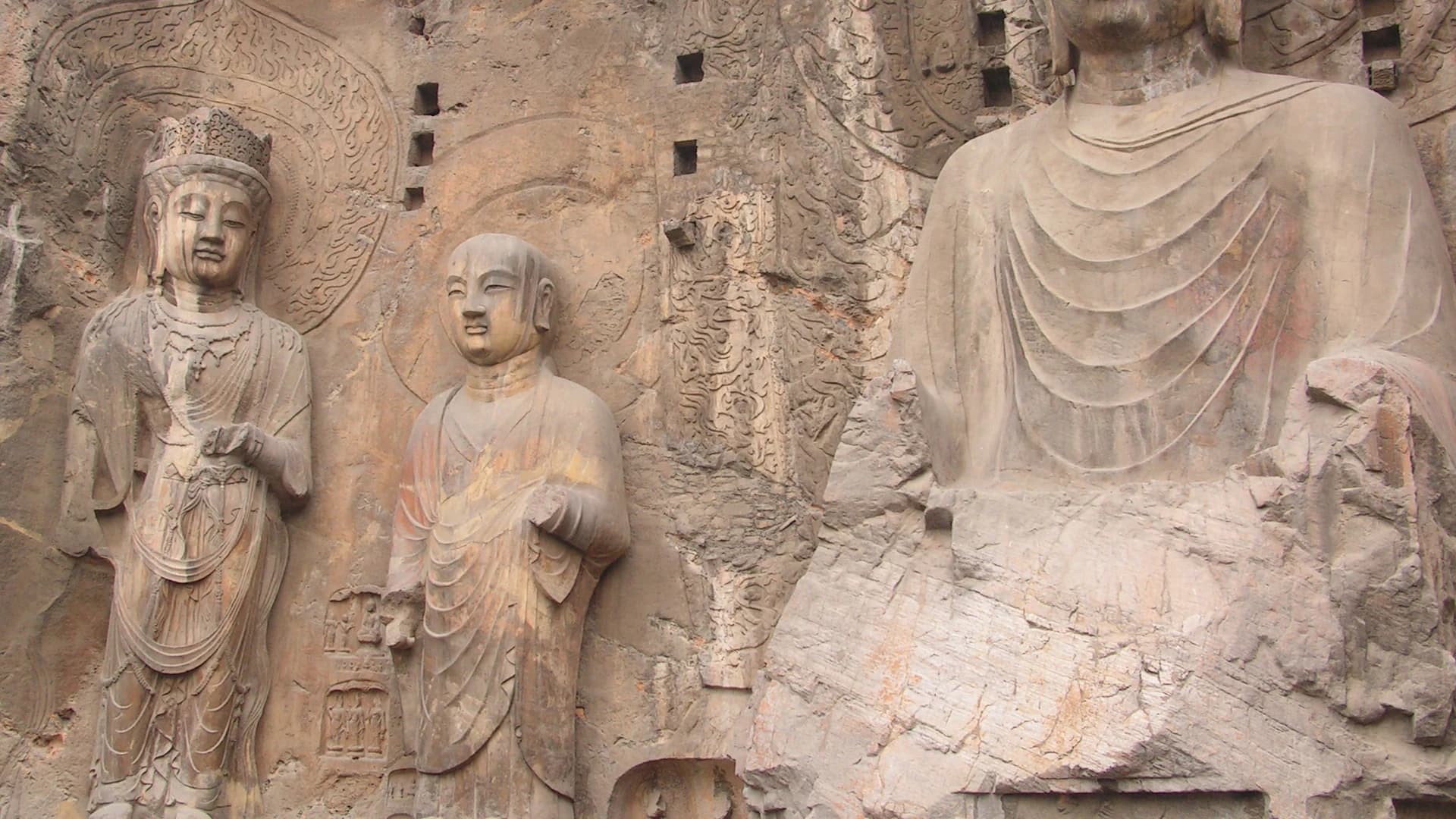
Buddhist history is visible at White Horse Temple and in the Northern Wei and Tang carvings of Longmen, while city museums hold material recovered from tombs, palaces and workshops across the region. Peony culture adds a very different seasonal layer each spring, but Luoyang is not only an April festival backdrop: its working neighborhoods, archaeological institutions and county landscapes reward a visit at any time of year.
Recommended itineraries
Recommended itineraries
Give Longmen a full block and separate the city’s museums by geography. Three days cover the principal heritage areas; a county mountain needs its own overnight extension.
Luoyang heritage in three days
A first visit connecting Buddhist art, capital archaeology, the city museum and the lived-in historic center without turning each day into a cross-city race.
- Day 1 · Give Longmen Grottoes most of the day, following the current visitor route through the main West Hill caves before choosing Xiangshan Temple and Baiyuan across the Yi River. Let conservation closures and timed entry override the checklist.
- Day 2 · Begin at Luoyang Museum, continue to Guanlin Temple, then finish with dinner around the old-city public streets and Lijing Gate area. Check museum reservations before fixing the sequence.
- Day 3 · Visit White Horse Temple in the morning, then choose the Eastern Zhou Royal Horse and Chariot Pits or Luoyang Ancient Tombs Museum according to your strongest historical interest. Do not rush both distant museums into the same afternoon.
One Funiu Mountain extension
A weather-dependent overnight trip to either Laojun Mountain in Luanchuan or Baiyun Mountain in Song County—not both.
- Day 1 · Travel in daylight using a current licensed service, settle near the chosen scenic area and confirm the next day’s open route, return transport and weather. Skip any unofficial night-climb or undeveloped-trail invitation.
- Day 2 · Follow one official mountain circuit at a conservative pace, carrying layers and rain protection. Descend before the last operating transport and return to Luoyang only if the road schedule leaves a safe margin.
Attractions & practical tips
What to see—and how to approach it.
Longmen Grottoes
龙门石窟
More than two thousand caves and niches line the cliffs beside the Yi River, with the strongest surviving work dating to the late Northern Wei and Tang periods. The carvings document changing Buddhist art, patronage and stone-working at one of China’s major historic capitals.
Practical tips
- Allow at least half a day and follow the current one-way route; steps, distance and exposed sections make this much more than a single-statue photo stop.
- Do not touch carvings, use flash or enter closed niches. Reserve through the official channel and carry the identity document used for booking.
White Horse Temple
白马寺
A long-standing Buddhist monastery east of central Luoyang is closely associated with early translation and transmission traditions in China. Its active religious life and later buildings matter more than a simplified claim that every visible structure dates to one founding moment.
Practical tips
- Dress quietly, keep voices low and give monks and worshippers priority; a working temple is not a costume set.
- Use the temple’s current official channel for reservations and opening notices, and follow posted rules for incense and photography.
Guanlin Temple
关林
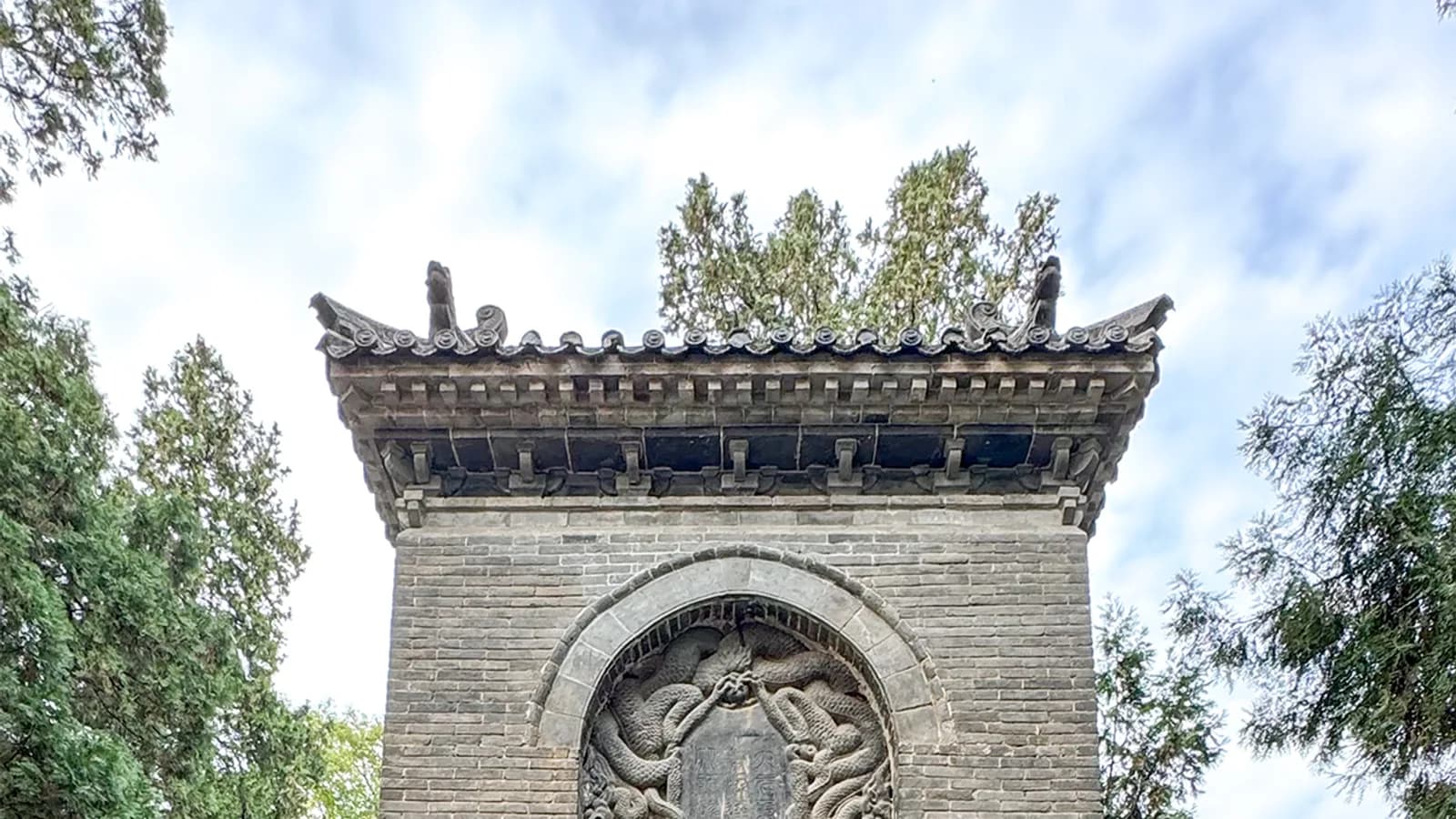
A temple-and-tomb complex dedicated to the deified general Guan Yu combines ritual halls, old cypresses, inscriptions and a burial mound within Luoyang’s long tradition of commemorative worship.
Practical tips
- Read the site as both a historic complex and an active place of reverence rather than treating legends as verified biography.
- Do not tie objects to trees, climb the mound or photograph worshippers without permission.
Museum of Eastern Zhou Royal Horse and Chariot Pits
洛阳周王城天子驾六博物馆
Built around excavated horse-and-chariot pits from the Eastern Zhou royal-city area, this compact site makes burial practice, rank and the archaeology of ancient Luoyi visible in situ.
Practical tips
- Look at the pit layout before focusing on individual objects; the relationship between vehicles, horses and the royal cemetery is the central evidence.
- Check the museum’s current official ticket channel and opening status because the old guide’s price and late closing time are obsolete.
Luoyang Ancient Tombs Museum
洛阳古墓博物馆
A specialist museum on Mangshan displays reconstructed and relocated tomb chambers from multiple periods together with a Northern Wei imperial-museum zone, emphasizing architecture, murals and funerary archaeology.
Practical tips
- Expect underground spaces, dim light and steps; follow the fixed route and never touch murals or architectural surfaces.
- Advance real-name reservation is currently required, and passport holders should bring the same document for staff verification.
Luoyang Museum
洛阳博物馆
The city’s main museum uses archaeology, bronzes, ceramics, Buddhist sculpture and Tang sancai to connect many excavated capital layers that can otherwise feel scattered across the municipality.
Practical tips
- Start with the main history galleries before choosing specialist collections, and allow at least three hours.
- Reserve through the museum’s official channel, bring valid identification and recheck holiday or peony-season opening notices.
Old-city streets and Lijing Gate
洛阳老城与丽景门
Public streets around Lijing Gate provide a lively evening layer of shops, snacks and rebuilt historic-style architecture over a much older urban area.
Practical tips
- Distinguish restored or reconstructed façades from excavated remains; atmosphere alone is not evidence of a building’s age.
- Visit for an ordinary food walk, keep clear of residents and compare menus rather than following one named merchant from the old PDF.
Luoyang peony gardens
洛阳牡丹园
Wangcheng Park and several specialist gardens display Luoyang’s cultivated peony tradition, with bloom timing varying by variety, garden and spring weather.
Practical tips
- Use current flower-condition reports to choose one garden instead of crossing the city between several similar displays.
- Expect heavy April demand, stay on paths and never spray, bend or touch flowers for photographs.
Laojun Mountain
老君山
A high Funiu Mountain landscape in Luanchuan County combines granite peaks, forest and an important Taoist cultural setting far from central Luoyang.
Practical tips
- Treat it as an overnight county excursion, not an add-on after Longmen; confirm official transport, cableway status, weather and return timing.
- Do not enter undeveloped areas, smoke in the reserve or assume social-media sunrise footage means unofficial night access is permitted.
Baiyun Mountain
白云山
A forested mountain area in Song County offers a cooler, greener counterpart to Luoyang’s archaeological core, with valleys, waterfalls and long internal distances.
Practical tips
- Choose it instead of Laojun Mountain when you want a nature-led extension; reaching both in one short trip is not realistic.
- Verify the open zone and internal transport, carry layers and rain protection, and remain on maintained trails.
Food & dining
Eat with a little local context.
Luoyang cooking is especially known for soups and the water banquet’s sequence of shared dishes. Order conservatively, ask about meat-based broths and treat grand origin stories as culinary tradition unless a menu supplies clear evidence.
Luoyang water banquet
洛阳水席
A formal local meal serves a succession of hot dishes with broth or sauce, balancing sour, peppery, savory and gently sweet flavors rather than presenting one fixed bowl.
Try it this way: A full banquet suits a group; solo travelers should look for a smaller set and confirm how many dishes and diners the price assumes.
Peony swallow dish
牡丹燕菜
Finely shredded radish is prepared in a clear, carefully seasoned soup and arranged with a flower-like garnish as a signature water-banquet course.
Try it this way: Despite the English name, the modern dish is not bird’s-nest soup; ask about the stock if you avoid meat.
Lian tang rou pian
连汤肉片
Thin meat slices, vegetables and starch-thickened broth create a tangy, warming dish commonly included in Luoyang-style shared meals.
Try it this way: Ask which meat and stock are used, and request a moderate chilli or vinegar level if you prefer a gentler soup.
Crisp fried meatballs
焦炸丸子
Small meatballs are fried until crisp, providing a dry, savory contrast within the otherwise soup-heavy water-banquet sequence.
Try it this way: Eat them soon after serving and confirm the meat, frying oil and portion before ordering a separate plate.
Luoyang bufan soup
洛阳不翻汤
A thin mung-bean pancake is placed in a hot, sour and peppery broth with vegetables and seasonings for a quick old-city snack or light meal.
Try it this way: Ask about the broth and toppings because meat, egg, sesame and chilli can vary between kitchens.
Henan pepper soup
胡辣汤
This thick breakfast soup combines a pepper-forward broth with wheat gluten, vegetables and often beef or another meat.
Try it this way: It is usually more peppery than chilli-hot; confirm the stock and ask for vinegar separately on your first bowl.
FAQ
Questions worth answering before you go.
How many days do I need in Luoyang?
Allow three days for Longmen, White Horse Temple, Guanlin, the principal museums and an old-city evening without rushing. Add two more days for either Laojun Mountain or Baiyun Mountain; both are distant county excursions rather than city-center stops.
When should I visit for the peonies?
April is the main cultural-festival period, but exact bloom conditions vary by spring weather, variety and garden. Use current flower reports before choosing a date and reserve transport and accommodation early; do not rely on the old PDF’s fixed festival window.
Are Luoyang’s main sights close together?
No. Longmen is south of the center, White Horse Temple is east, the Ancient Tombs Museum is north and the county mountains are much farther away. Group Luoyang Museum with Guanlin, give Longmen its own block and check a current map before combining museums.
Do I need reservations or identification?
Policies vary, but major sites and museums use official real-name booking at busy times. Reserve Longmen and the museums through their own channels, enter the same identity details shown on your passport or other document, carry that original document and recheck holiday notices shortly before visiting.
What etiquette matters at grottoes, temples and tomb museums?
Never touch carvings or murals, cross barriers, use flash where prohibited or treat burial displays as playful photo sets. At White Horse Temple, Guanlin and Xiangshan Temple, worship takes priority: dress quietly, follow incense rules and ask before photographing people or ceremonies.