
Last reviewed
Background
A Gan River capital shaped by poetry, water and twentieth-century history.
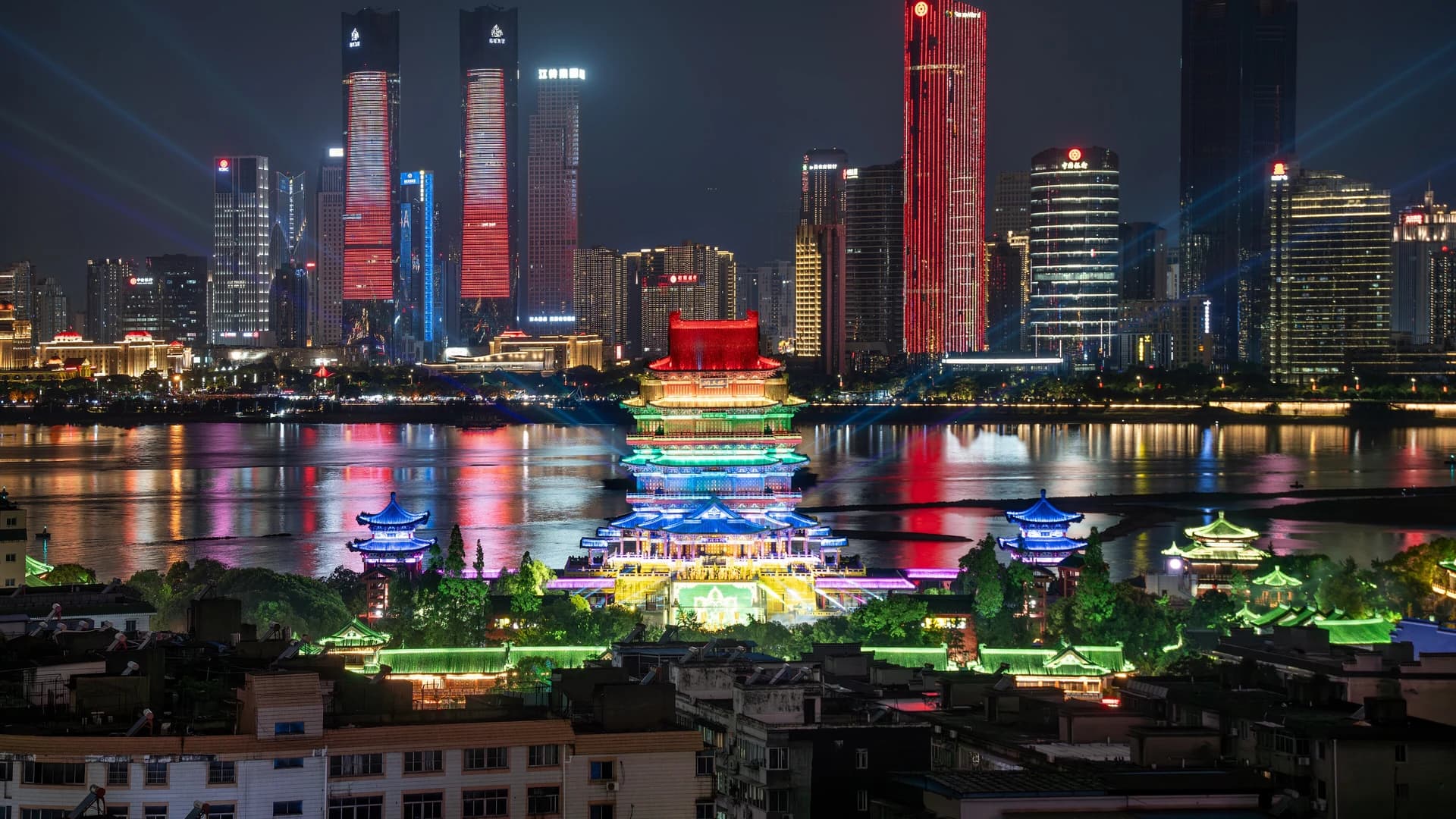
Nanchang is the capital of Jiangxi, set on the Gan River near the wider Poyang Lake watershed. Historic names such as Yuzhang and Hongdu point to a long urban story, while lakes, wetlands and the river still organize the city's geography. For a first visit, the useful contrast is between the older center around Tengwang Pavilion and Bayi Square and the newer riverfront districts across the Gan.
Two narratives give Nanchang much of its visitor context. Tengwang Pavilion is inseparable from Wang Bo's celebrated preface and the literary imagination of the Gan River; the 1927 Nanchang Uprising made the city central to modern revolutionary memory. Museums, memorial spaces and the work of painter Bada Shanren add more layers than the city's frequent 'Hero City' shorthand suggests.
Recommended itineraries
Recommended itineraries
Keep the historic center walkable, then give Nanchang's art, mountain or village landscapes their own time instead of compressing several outer areas into one day.
Essential Nanchang
A first-timer route linking the city's literary landmark, modern-history sites and everyday food.
- Day 1 · Begin at Tengwang Pavilion, walk a manageable stretch of the Gan River, then continue through the central city to Bayi Square and the Nanchang Uprising Memorial Museum.
- Day 2 · Visit the Bada Shanren Memorial Museum and Mei Lake, return for Baihuazhou or another central lake walk, and finish around Shengjin Pagoda with rice noodles and clay-pot soup.
City, mountain and village
A slower plan that adds one substantial municipal day trip to the core city route.
- Day 1 · Tengwang Pavilion, the Gan River, Bayi Square and the Nanchang Uprising Memorial Museum.
- Day 2 · Bada Shanren Memorial Museum, a city-lake walk and an evening near Shengjin Pagoda or the riverfront.
- Day 3 · Choose either Meiling for managed mountain trails or Anyi Ancient Villages for architecture and settlement history; verify current access and return transport before departure.
Attractions & practical tips
What to see—and how to approach it.
Tengwang Pavilion
滕王阁
Nanchang's defining riverfront landmark is a modern reconstruction of a pavilion repeatedly rebuilt since the Tang dynasty. Its cultural importance comes from Wang Bo's Preface to the Pavilion of Prince Teng, while upper levels frame broad views over the Gan River and the contemporary skyline.
Practical tips
- Read a short translation of Wang Bo's preface before visiting; the literary context makes the displays and river view more meaningful.
- Check the official scenic area's current entry, performance and last-admission arrangements rather than using the source's 2013 details.
Bayi Square
八一广场
A vast central square anchored by the Nanchang Uprising Memorial Tower, it remains one of the clearest public expressions of Nanchang's identity as the 'Hero City.'
Practical tips
- Pair the square with the nearby uprising museum so the monuments have historical context.
- Treat ceremonies and commemorative activity respectfully, keep security routes clear and follow posted photography rules.
Nanchang Uprising Memorial Museum
南昌八一起义纪念馆
The museum occupies the former Jiangxi Grand Hotel, where revolutionary leaders used rooms during the 1927 uprising. Exhibitions use objects, documents and reconstructed spaces to explain the event and its place in the history of the People's Liberation Army.
Practical tips
- Allow time for the historical sequence instead of visiting only for the building or a photograph.
- Confirm current reservation, identity-document, closure-day and security requirements on the museum's official channel.
Bada Shanren Memorial Museum
八大山人纪念馆
A specialist art museum in the Qingyunpu and Mei Lake landscape dedicated to Zhu Da, known as Bada Shanren, whose spare and psychologically charged ink painting became profoundly influential after the Ming–Qing transition.
Practical tips
- Focus on a small number of paintings, seals and biographical displays; the artist's compressed visual language rewards slow looking.
- Check which galleries and temporary exhibitions are open, and do not assume every work on view is an original.
Baihuazhou and East Lake
百花洲与东湖
Small islands, bridges and waterside paths in East Lake preserve a quieter piece of central Nanchang's historic landscape, long associated with local scenic traditions and literary life.
Practical tips
- Use Baihuazhou as a short, unhurried pause between central sights rather than a destination that needs half a day.
- Keep to public paths and avoid lakeside sections during thunderstorms or flood-control closures.
Shengjin Pagoda
绳金塔
This multi-storey brick-and-timber pagoda is one of Nanchang's surviving historic vertical landmarks, now set within a revived neighborhood of lanes, public space and food businesses.
Practical tips
- Go for the exterior architecture and surrounding street life; interior or upper-level access can change.
- Evening is atmospheric, but confirm current opening and event arrangements and watch for crowds around festival periods.
Star of Nanchang
南昌之星
The large observation wheel on the Gan River's newer western bank offers a contemporary counterpoint to Tengwang Pavilion and a broad look over the riverfront after dark.
Practical tips
- Visibility matters more than a fixed time, so check the short-range weather before going.
- Operations can stop for wind, maintenance or crowd control; verify current status before crossing the river specifically for a ride.
Meiling
梅岭
A broad mountain and forest area west of the urban center, Meiling brings ridges, streams, villages and cooler upland scenery into Nanchang's municipal travel map.
Practical tips
- Choose one managed scenic zone and trail rather than treating Meiling as a single compact park.
- Check weather, trail access and return transport, carry water and rain protection, and stay off closed or unmaintained paths.
Anyi Ancient Villages
安义古村群
Luotian, Shuinan and Jingtai form a group of historic villages in Anyi County, where lanes, residences and commercial buildings preserve evidence of Gan-region settlement and trading life.
Practical tips
- Give the villages most of a day and verify current transport rather than relying on the PDF's old bus timetable.
- Remember that these are lived-in communities: use public lanes, ask before photographing residents and never enter a home without invitation.
Poyang Lake wetlands
鄱阳湖湿地
Poyang Lake is a vast, seasonal wetland system rather than one Nanchang attraction. Its changing water levels support important habitats and winter birdlife, with access spread across multiple counties and municipalities.
Practical tips
- Choose a specific, currently open wetland or birding site before leaving Nanchang; do not follow the source's obsolete boat and bus claims.
- Use designated viewing areas, keep a long distance from birds, avoid playback or feeding and follow reserve rules.
Food & dining
Eat with a little local context.
Nanchang is a strong introduction to Gan cuisine: rice-based staples, cured ingredients and direct chilli heat appear in both breakfast shops and shared evening meals. Use busy local specialists, state dietary restrictions clearly and order mild dishes alongside spicy ones.
Nanchang rice noodles
南昌米粉
Fine rice noodles are served dry-mixed, stir-fried or in broth, often with pickled vegetables, minced meat, chilli and a choice of toppings.
Try it this way: Start with mixed noodles at breakfast and ask for less chilli before the sauce is added.
Clay-pot soup
瓦罐汤
Small earthenware pots slowly cook individual soups based on pork, ribs, egg, lotus root or other ingredients, making a classic partner for rice noodles.
Try it this way: Ask what is inside each pot because offal, bones and medicinal herbs may not be obvious from the name.
Shitou Street sesame twists
石头街麻花
Crisp coils of fried dough coated with sesame are a portable Nanchang snack with a long local association.
Try it this way: Buy a small freshly made portion first and check for sesame, peanut or other allergen cross-contact.
Lihao with cured pork
藜蒿炒腊肉
A fragrant wetland vegetable is quickly stir-fried with slices of Jiangxi cured pork, balancing herbal freshness, smoke and salt.
Try it this way: Order it with rice and a lighter vegetable dish; the cured meat can be salty and may contain fatty pieces.
Gan-style shared dishes
赣菜
Local meals often combine strongly seasoned fish, poultry or pork with preserved vegetables, freshwater produce and assertive chilli.
Try it this way: For a group, request one spicy signature dish and balance it with soup, greens and plain rice.
Late-night snails and crayfish
夜宵螺蛳与小龙虾
Cooked river snails and crayfish are part of Nanchang's convivial late-night food culture, usually served with bold aromatics and beer.
Try it this way: Choose a busy, clean kitchen, eat shellfish only when thoroughly cooked and disclose shellfish allergies.
FAQ
Questions worth answering before you go.
How many days should I spend in Nanchang?
Two days is enough for Tengwang Pavilion, the central modern-history sites, Bada Shanren's art and a useful food introduction. Add a third day for either Meiling or Anyi Ancient Villages rather than rushing both.
When is Nanchang most comfortable?
Spring and autumn usually offer easier walking than the humid summer or damp winter, but rain and temperature can shift quickly. Check a short-range forecast, carry rain protection and avoid treating the source's old seasonal extremes as a current forecast.
Which area is most convenient for a first visit?
The older central districts work well for Tengwang Pavilion, Bayi Square, the uprising museum and established food streets. The newer Gan River districts suit contemporary river views; choose based on the sights you value rather than the PDF's obsolete hotel list.
Can I see Poyang Lake on a simple Nanchang day trip?
Only after choosing a specific access point. Poyang Lake is a huge, seasonally changing wetland spread across jurisdictions, not one park beside the city. Confirm current water, reserve and transport conditions and use a dedicated day.
Will language or spicy food be difficult?
Mandarin works in visitor settings even though local Gan speech sounds different. For food, keep dish names in Chinese, state allergies clearly and ask for less chilli before cooking; translation apps help, but a mild request does not remove fermented, cured or strongly seasoned flavors.