
Last reviewed
Background
A vast northern journey shaped by grassland, wetlands, forest and borderland communities.
Hulunbuir is a prefecture-level city whose enormous territory stretches from the Mongolian–Manchurian steppe and the Ergun River basin to wetlands, lakes and the forests of the Greater Khingan range. Hailar is the main urban gateway, while the places travelers come to see are separated by long road journeys rather than a compact sightseeing center.
The region has been shaped by Mongol, Daur, Ewenki, Oroqen, Russian and other communities, alongside generations of migration and exchange across northern China. Museums, pastoral landscapes and settlements such as Enhe and Shiwei can introduce that history, but they are living communities rather than themed backdrops: visit with permission, listen to local interpretation and avoid reducing people to costumes or staged ideas of the frontier.
Recommended itineraries
Recommended itineraries
Distances define a Hulunbuir trip. Build one coherent circuit, allow weather and road margins, and confirm access locally instead of collecting remote places on an overpacked checklist.
Grassland and forest circuit
A first journey from Hailar through the Morigele grassland, Erguna wetlands and communities along the Ergun River to the Greater Khingan forest.
- Day 1 · Arrive in Hailar, visit Hulunbuir History Museum if current opening arrangements allow, and prepare for the road journey ahead.
- Day 2 · Travel across the Morigele River grassland to Erguna, stopping only at permitted viewpoints and leaving time for the wetland landscape.
- Day 3 · Visit Erguna Wetland and the Birch Forest area, then continue to Enhe for a slower look at the settlement and surrounding countryside.
- Day 4 · Continue to Shiwei and the Ergun River landscape, following current border-zone access rules and avoiding restricted areas.
- Day 5 · Travel into the Greater Khingan forest around Moerdaoga, with walks chosen for the day's weather and park access.
- Day 6 · Return toward Hailar with a generous road buffer; do not schedule a tightly timed flight after a long remote transfer.
Grassland, Manzhouli and Hulun Lake
A shorter western circuit combining central grassland scenery with the architecture and border history of Manzhouli.
- Day 1 · Arrive in Hailar and use the city museum or a central walk to understand Hulunbuir's scale and communities.
- Day 2 · Make a planned Morigele River grassland excursion with a licensed local operator or experienced driver.
- Day 3 · Travel to Manzhouli, allowing most of the day for the transfer and city streets rather than forcing extra stops.
- Day 4 · Visit the Manzhouli Border Tourism Area according to current access rules and explore the city's layered Chinese, Mongolian and Russian architectural influences.
- Day 5 · Make a weather-dependent Hulun Lake excursion, then retain enough time for the return journey or an onward departure.
Attractions & practical tips
What to see—and how to approach it.
Morigele River Grassland
莫日格勒河草原
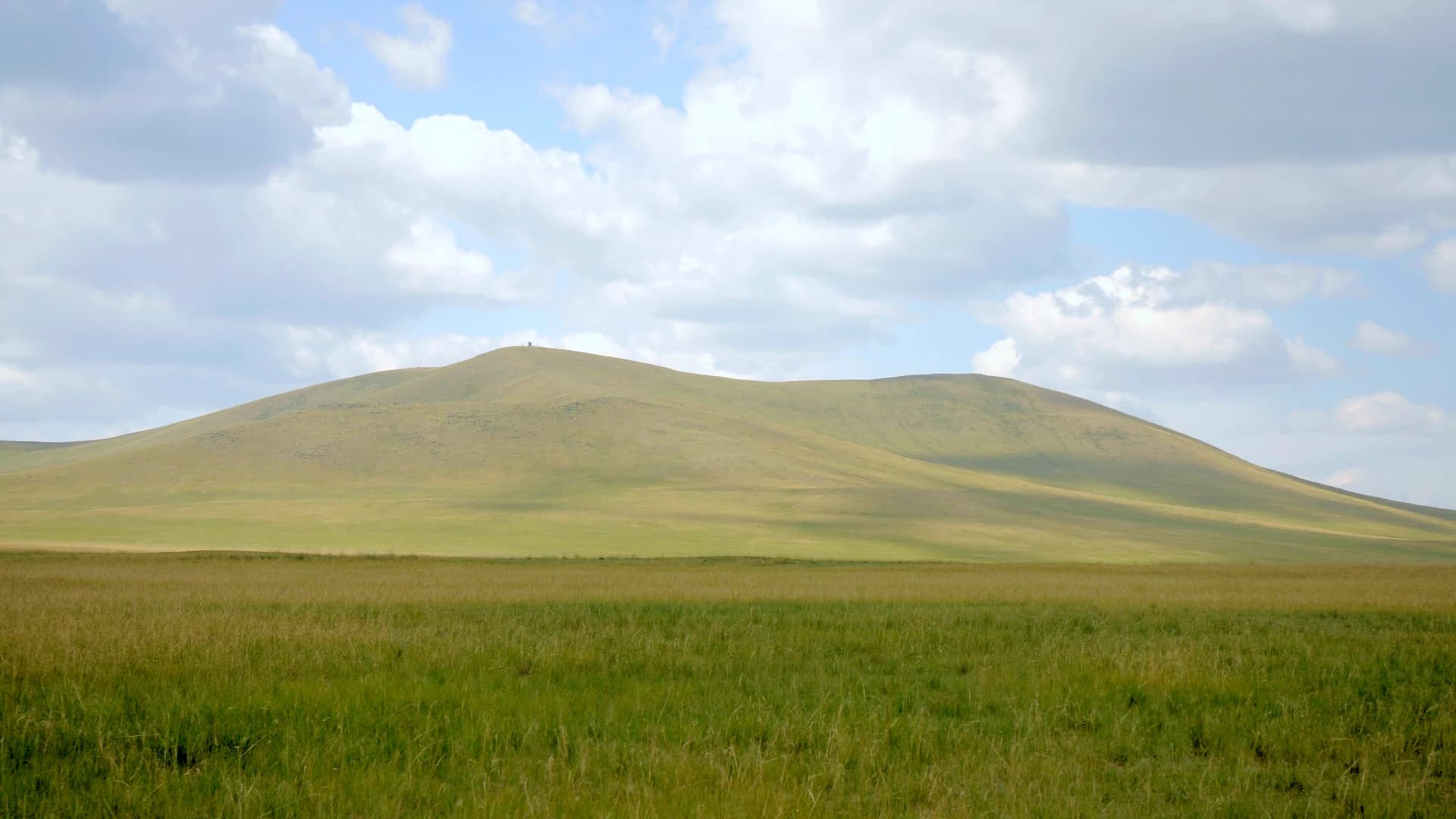
The Morigele River bends across broad grassland north of Hailar, creating the layered watercourses and open horizons most closely associated with a first Hulunbuir journey.
Practical tips
- Use established roads and permitted viewpoints; grassland that appears empty may be working pasture or ecologically sensitive land.
- Arrange transport in advance, confirm exactly which stops are included and avoid driving onto unmarked tracks.
Erguna Wetland
额尔古纳湿地
Wetland, river channels, woodland and fields meet near Erguna, forming a high viewpoint over one of the region's most varied landscapes.
Practical tips
- Stay on boardwalks and marked paths to protect wet ground and nesting habitat.
- Visibility and trail conditions change quickly with rain, smoke and seasonal weather, so check current notices before making a special trip.
Birch Forest
白桦林
White-barked birch woodland north of Erguna marks the transition from open steppe toward the forested Greater Khingan landscape.
Practical tips
- Use the managed scenic area or other designated walking routes instead of entering unmarked forest.
- Autumn color is brief and weather-dependent; pack warm and waterproof layers even when Erguna starts sunny.
Enhe Russian Ethnic Township
恩和俄罗斯族民族乡
Enhe is a rural township where local family histories, wooden houses, farming and food reflect long interaction across the Ergun border region.
Practical tips
- Choose locally run accommodation and experiences with clear prices, and ask before photographing residents or private homes.
- Treat Russian-influenced architecture and food as part of a living local history, not evidence that the settlement is a replica of another country.
Shiwei
室韦
Shiwei stands beside the Ergun River amid pasture and wooded hills. Its location and community histories make it a useful stop for understanding the border landscape beyond its popular viewpoints.
Practical tips
- Follow all current border-zone signs and instructions, carry the identification required for your trip and never cross fences or approach restricted facilities.
- Stay overnight only if it improves the wider route; journey times are long and same-day onward connections may be limited.
Moerdaoga National Forest Park
莫尔道嘎国家森林公园
This Greater Khingan forest area offers a strong contrast to western Hulunbuir's grasslands, with larch and birch landscapes shaped by a colder, wetter environment.
Practical tips
- Confirm current entrance, transport and trail arrangements because forest-fire controls and seasonal operations can change access.
- Carry insect protection in warmer months and warm layers outside midsummer; remain on designated routes.
Hulun Lake
呼伦湖
The broad freshwater lake south of Manzhouli gives Hulunbuir part of its name and forms an important wetland and steppe ecosystem near the Mongolian border.
Practical tips
- Choose a specific, currently open access point; the lake is too large for an improvised circuit and some shores may be protected or difficult to reach.
- Expect wind, strong sun and sudden weather changes, and do not disturb birds or enter closed shoreline habitat.
Hulunbuir History Museum
呼伦贝尔历史博物馆
Hailar's contemporary regional museum introduces the archaeology, ecology and varied community histories of Hulunbuir before visitors travel into the wider landscape.
Practical tips
- Check the museum's official current opening and reservation information; do not rely on the source guide's old museum address or bus details.
- Visit near the beginning of the trip so place names and cultural references encountered later have context.
Hailar National Forest Park
海拉尔国家森林公园
A protected sandy-land Scots pine forest on Hailar's western side, this urban-edge park provides an accessible introduction to the region's forest ecology.
Practical tips
- Confirm current opening areas and fire-prevention restrictions, especially during dry or windy periods.
- Use it as a flexible Hailar activity rather than sacrificing a full day from the larger regional circuit.
Manzhouli Border Tourism Area
满洲里国门景区
Manzhouli's border tourism area interprets the rail crossing and the city's role in trade and exchange at the meeting point of China, Mongolia and Russia.
Practical tips
- This is a controlled border area, not an informal crossing: follow photography restrictions, barriers and staff instructions.
- Verify current ticketing, identity-document and foreign-visitor access requirements directly before traveling.
Food & dining
Eat with a little local context.
Hulunbuir meals reflect pastoral ingredients, northern climates and exchanges among the region's communities. Portions can be large and meat-heavy, so ask what is included, order gradually and communicate allergies or dietary restrictions clearly.
Hand-pulled mutton
手把肉
Bone-in mutton is simply boiled or simmered to emphasize the meat itself, then shared at the table with condiments according to local preference.
Try it this way: Ask about cut, weight and portion size before ordering, and expect bones and richer pieces in a traditional serving.
Roast whole lamb
烤全羊
Whole-lamb roasting is a ceremonial group dish rather than an everyday individual meal, often presented before carving and sharing.
Try it this way: Reserve only for a suitably sized group, confirm the total price and weight, and avoid venues that use an unexplained ceremony as a surprise upsell.
Mutton hotpot
涮羊肉
Thin slices of local mutton cook quickly in a shared hotpot, making this a flexible way to combine meat with vegetables, tofu and noodles.
Try it this way: Use separate utensils for raw and cooked meat, and ask for a divided broth if spice or dietary needs differ around the table.
Mongolian pot tea
蒙古锅茶
A warm milk-tea meal may combine brick tea, milk and salt with additions such as millet, dairy curds or dried meat, varying by household and restaurant.
Try it this way: Ask what has been added if you avoid dairy, meat or gluten, and taste before adding more salt or sugar.
Pastoral dairy foods
奶制品
Milk skin, curds, cheese-like snacks and fermented dairy appear in different textures and levels of sweetness or sourness across Hulunbuir.
Try it this way: Buy from hygienic, reputable sellers, keep fresh products chilled and sample a small portion first if you are not used to rich dairy.
Russian-influenced bread and home cooking
俄式面包与家常菜
In Enhe, Shiwei and Manzhouli, breads, soups, preserved foods and home-style dishes reflect generations of cross-border contact interpreted through local kitchens.
Try it this way: Choose a clearly run local business, ask what is homemade that day and do not assume every dish marketed as Russian represents one fixed tradition.
FAQ
Questions worth answering before you go.
How many days do I need in Hulunbuir?
Five to seven days suits one coherent grassland, wetland and forest or Manzhouli circuit. A shorter visit should focus on Hailar and one nearby grassland area; adding many remote stops turns the trip into continuous driving.
When is the best time to visit?
Summer offers green grassland and the broadest range of road itineraries, while early autumn brings cooler weather and forest color. Winter can be striking but should be planned as a separate cold-weather trip with appropriate vehicles, clothing and local support rather than treated as the same itinerary in snow.
Can I use public transport for the full circuit?
Public transport can connect the larger towns, but it rarely fits a multi-stop landscape itinerary. Many visitors arrange an experienced driver or licensed operator; confirm the vehicle, daily route, included costs, luggage capacity and cancellation terms in writing, then retain weather and road buffers.
Do border areas require special preparation?
Access rules can vary by place, season and visitor nationality. Carry your passport, verify any permit or registration requirement through current official or licensed local channels, obey no-entry and no-photography signs, and do not plan remote border settlements from an old printed route alone.
How should I visit grasslands and local communities responsibly?
Remain on permitted roads, close gates as directed, keep away from livestock unless invited and ask before entering homes or photographing people. Use a managed operator for horse riding, wear a helmet and follow the handler's instructions; never pressure a host to drink alcohol, and accept or decline food and drink politely.