Last reviewed
Background
Xining is both a lived-in plateau capital and the most practical first base for exploring Qinghai.
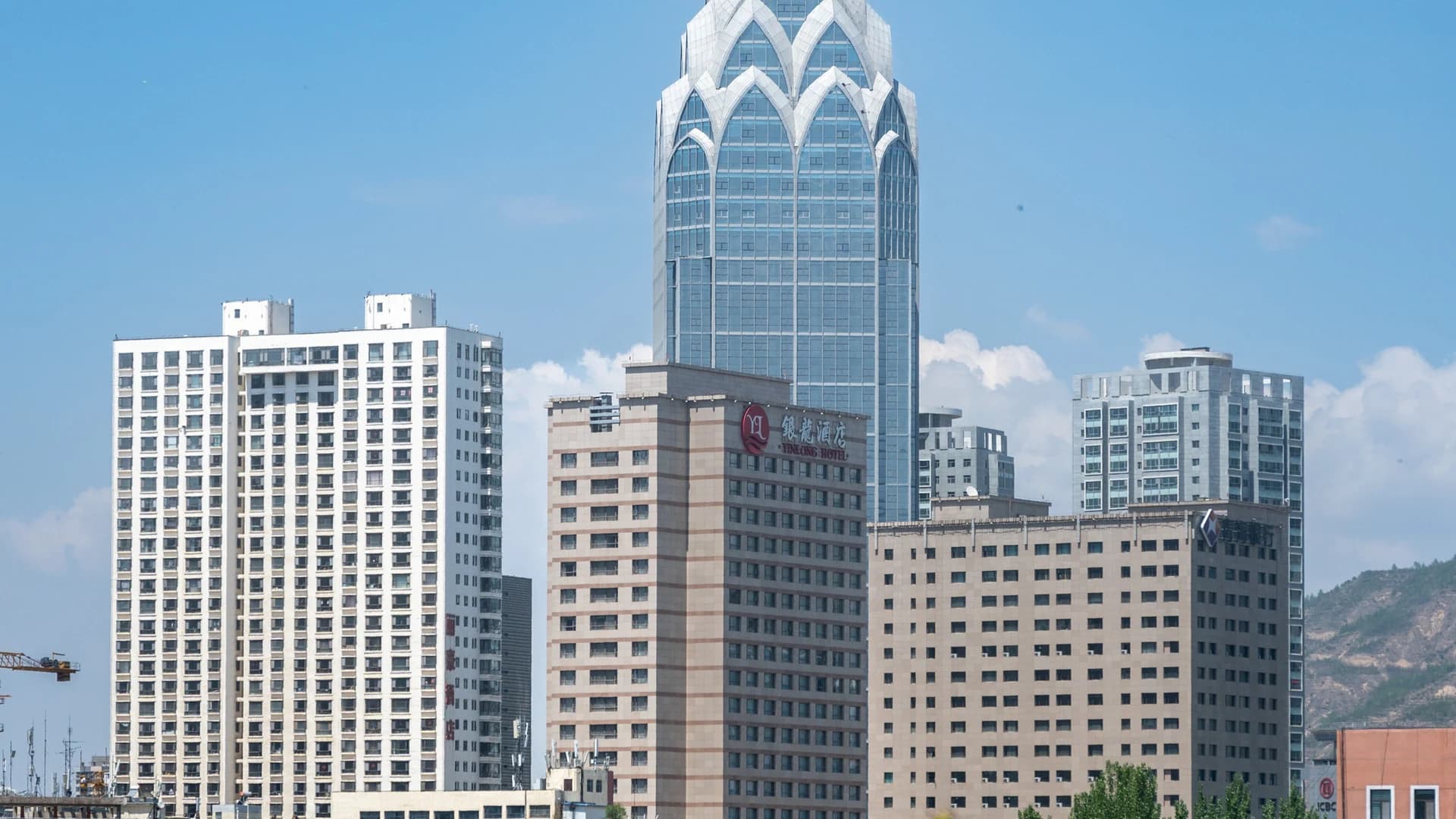
Set in the Huangshui River valley, Xining has long connected routes between central China, the Tibetan Plateau and the wider northwest. The city’s museums, Buddhist monastery, mosque and everyday markets reflect overlapping Han, Tibetan, Hui, Salar and other communities rather than a single cultural story.
Xining is Qinghai’s transport and service hub, making it a sensible place to slow down before visiting landscapes at higher elevations. Qinghai Lake is the classic extension, but the transition from city valley to grassland, mountain pass and protected lakeshore is as important as any single viewpoint.
Qinghai Lake is a high-altitude inland salt lake whose water, wetlands, grasslands, endemic naked carp and migratory birds form one connected ecosystem. Its scale is dramatic, but the landscape is not an unrestricted open shore: conservation zones, grazing land and managed visitor areas determine where responsible travel can take place.
Recommended itineraries
Recommended itineraries
Use one day for Xining’s religious and museum landscape. Add one or two days for a managed Qinghai Lake visit, with enough flexibility for altitude, weather and long road travel.
Xining culture and city viewpoints
A city-focused introduction balancing collections, living religious spaces and a gentle overlook.
- Day 1 · Begin at Qinghai Provincial Museum, continue to Dongguan Grand Mosque while respecting worship access, then choose the Qinghai Tibetan Culture Museum for a deeper collection visit. Finish at Nanshan Park or the lower, maintained part of Beishan for a city view.
Xining and Qinghai Lake
A first-time route that pairs Xining’s cultural context with one carefully paced lakeshore day.
- Day 1 · Visit Kumbum Monastery in Huangzhong, return to central Xining for Qinghai Provincial Museum and a local dinner.
- Day 2 · Travel west through the Riyue Mountain landscape to the managed Erlangjian visitor area at Qinghai Lake, allowing generous time for road conditions, weather and a same-day return to Xining.
A slower southern-lakeshore route
An overnight alternative for travelers who want morning light without camping or forcing the full lake into one exhausting day.
- Day 1 · Leave Xining early, pause at Riyue Mountain, spend real time inside the managed Erlangjian visitor area, then continue on the official southern-lakeshore road to confirmed accommodation in Heimahe town.
- Day 2 · Visit the officially open Heimahe Banchan Aobao Scenic Area for sunrise if weather is suitable, then return toward Xining. Keep the schedule flexible for road works, event controls, wind and altitude, and do not add closed Bird Island or Sand Island.
Attractions & practical tips
What to see—and how to approach it.
Kumbum Monastery
塔尔寺
This major Gelug Tibetan Buddhist monastery in Huangzhong developed around the birthplace associated with Tsongkhapa. Its halls, stupas, murals, appliqué work and butter sculpture traditions reward an unhurried visit.
Practical tips
- Treat the complex as an active monastery: dress modestly, keep voices low and follow every posted photography restriction.
- Check current reservation and access arrangements before leaving Xining; avoid rushing the visit into a short lakeside day.
Qinghai Provincial Museum
青海省博物馆
The provincial museum introduces Qinghai through archaeology, material culture, religious art and the long exchanges that shaped the plateau and Huangshui valley.
Practical tips
- Visit early in the trip so the collections give context to later monastery and lake excursions.
- Check the museum’s current reservation, identification and temporary-closure rules before arrival.
Dongguan Grand Mosque
东关清真大寺
One of Xining’s principal mosques, Dongguan remains an important place of worship and a visible part of the city’s Hui Muslim history.
Practical tips
- Appreciate the exterior by default, avoid Friday congregational prayer and enter only when staff clearly permit visitors.
- Dress modestly and never photograph worshippers without their explicit consent.
Qinghai Tibetan Culture Museum
青海藏医药文化博物馆
The museum presents Tibetan cultural history, art, astronomy, manuscripts and the material traditions of Tibetan medicine, including an exceptionally long painted panorama.
Practical tips
- Allow at least a half day if both major wings are open; the collection is too extensive for a quick stop.
- Read medical displays as cultural and historical interpretation, not as personal treatment advice.
Beishan and Tulou Temple
北山土楼观
Red sandstone cliffs, caves, elevated religious buildings and paths on Xining’s north side create one of the city’s most distinctive historic landscapes.
Practical tips
- Stay on maintained public paths and turn back if rain, ice, rockfall warnings or restoration work affect access.
- Choose the lower viewpoints if you are still adjusting to the altitude; stairs feel more demanding here than at sea level.
Nanshan Park and Fenghuang Terrace
南山公园与凤凰台
The southern hill provides an accessible city panorama and a quieter introduction to Xining’s valley setting, with the Fenghuang Terrace tradition anchoring the historic viewpoint.
Practical tips
- Go late in the day for gentler light, but arrange your return before park access or public transport winds down.
- Visibility changes quickly with weather, so treat the view as flexible rather than a fixed sunset appointment.
Hutai Ruins
虎台遗址
The surviving earthen platform is associated with the Southern Liang period and offers a compact reminder that Xining’s strategic history predates its modern role as a provincial capital.
Practical tips
- Come for the archaeological context rather than expecting a reconstructed palace complex.
- Do not climb closed earthworks; view the remains from designated park paths.
Riyue Mountain
日月山
West of Xining, this high pass marks a transition from the Huangshui valley toward Qinghai Lake and carries stories associated with Tang–Tibetan exchange and Princess Wencheng.
Practical tips
- Treat it as a short landscape and history stop on a lake day, not as a reason to compress the whole route.
- Wind and temperature can be much harsher than in Xining; bring warm layers and follow marked paths.
Qinghai Lake and Erlangjian
青海湖与二郎剑景区
Qinghai Lake’s broad blue water, grassland margins and changing light form the province’s defining landscape. Erlangjian is the established managed visitor area for a first lakeshore visit from Xining.
Practical tips
- Use official entrances and marked roads, keep off fenced or protected habitat and never drive across grassland to create an unofficial lakeshore stop.
- Bird Island and Sand Island tourism operations were closed for ecological restoration; do not follow the old routes or ticket advice that still circulates online.
Mojia Street
莫家街
This central food street gathers Xining snacks and everyday flavors in one walkable area, making it a practical first place to compare yogurt, niangpi, lamb and wheat dishes.
Practical tips
- Treat it as a tasting walk rather than choosing the first set meal; busy specialist counters are usually easier for small portions.
- Confirm prices before ordering by weight, keep valuables secure in crowds and choose licensed vendors with clearly displayed food-handling areas.
Heimahe
黑马河
On Qinghai Lake’s southwestern side, Heimahe is a small service town where approved public access centers on Heimahe Banchan Aobao Scenic Area, known for broad water-and-grassland views and clear-weather sunrise.
Practical tips
- Stay in confirmed town accommodation that can register your passport; do not camp on the lakeshore or enter fenced pasture.
- Use the official scenic area and marked stopping places, and skip sunrise when wind, cold, road works or poor visibility make the early transfer unsafe.
Food & dining
Eat with a little local context.
Xining’s food brings together highland barley, wheat, dairy, beef and lamb, with Hui Muslim and Tibetan food traditions especially visible. Choose busy local kitchens, ask about ingredients respectfully and never bring outside food or alcohol into a halal restaurant.
Qinghai old-style yogurt
青海老酸奶
A set, spoonable yogurt with a fresh tang and rich dairy flavor, often served in a small bowl with a little sugar on top.
Try it this way: Try it chilled from a busy shop and adjust the added sugar before mixing.
Niangpi
酿皮
Cool, springy wheat or starch sheets are dressed with vinegar, garlic, sesame and chilli for one of Xining’s most useful market snacks.
Try it this way: Ask for less chilli before the sauce is added if you prefer a milder plate.
Hand-grabbed lamb
手抓羊肉
Simply cooked lamb is cut into substantial pieces and served with restrained seasoning so its texture and flavor remain central.
Try it this way: Confirm whether the portion is priced by weight and order it for the table to share.
Ga mianpian
尕面片
Small hand-pulled pieces of wheat dough are cooked in a savory broth or stir-fried with vegetables and meat, producing a warming everyday meal.
Try it this way: Point to a broth or dry-fried version and ask about meat ingredients if you have dietary restrictions.
Sweet peizi
甜醅
Fermented highland-barley or oat grains make a cool, sweet-tart snack with a gently chewy texture.
Try it this way: Because it is fermented, ask about preparation and alcohol content if that matters to you.
Butter tea and tsampa
酥油茶与糌粑
Salted butter tea and roasted highland-barley flour are longstanding Tibetan plateau staples that are best understood as part of a meal and hospitality tradition.
Try it this way: Accept a small portion first, follow your host or server’s lead and avoid turning a cultural food into a dare.
Lamb intestine noodles
羊肠面
A Qinghai snack pairing sliced lamb intestine with hot broth, noodles and diced radish for a rich, savory bowl with contrasting textures.
Try it this way: Choose a busy specialist stall, ask for a small bowl first and confirm that the stronger offal flavor suits you.
FAQ
Questions worth answering before you go.
How many days should I spend in Xining?
Allow one full day for the city and Kumbum Monastery, then add a separate day for Qinghai Lake. A third day gives you more museum time and reduces the temptation to combine long drives with rushed high-altitude sightseeing.
How should I plan for the altitude?
Xining is lower than many lake and plateau stops, so use it as a gradual first base, keep activity light after arrival and move higher slowly. Do not ascend to sleep higher when you have symptoms; if symptoms worsen at rest, descend and seek medical help. Travelers with relevant heart, lung or other conditions should discuss the itinerary with a clinician familiar with high-altitude travel.
When is the easiest time to visit?
Summer usually offers the most comfortable temperatures and the broadest access, but Qinghai weather remains changeable. Pack sun protection and warm layers in every season, and check current forecasts, wind and road conditions before leaving Xining.
Can I visit Qinghai Lake as a day trip from Xining?
Yes, a managed Erlangjian visit with Riyue Mountain can fit into one long day by licensed tour or prearranged vehicle. Confirm the exact route, driver credentials and current access first, and do not add Bird Island or Sand Island: their tourism operations were closed for ecological restoration.
What etiquette matters at religious sites and restaurants?
At monasteries and mosques, dress modestly, keep voices low, follow posted photography rules and never interrupt worship. In halal restaurants, do not bring outside meat or alcohol; in Tibetan settings, accept hospitality in a small amount first and follow the host’s lead rather than assuming one rule applies everywhere.
How can I avoid harming Qinghai Lake’s wildlife?
Never buy or order Qinghai Lake naked carp, keep your distance from birds and do not feed them. Stay inside regular open visitor areas: Bird Island and Sand Island tourism operations were closed for ecological restoration, and the absence of a barrier does not make protected habitat public.
Should I drive or cycle around Qinghai Lake?
For a first visit, a licensed tour or a legally operated prearranged vehicle with a properly qualified driver is the lower-risk choice. Road construction, event controls, long distances, high-altitude exertion and fast traffic can make fixed bus timings and cycling itineraries unreliable. Check official road conditions shortly before departure; only consider a supported multi-day ride if you have appropriate fitness, equipment and an emergency plan.