Last reviewed
Background
A canal city linking silk country, water towns and modern memory.
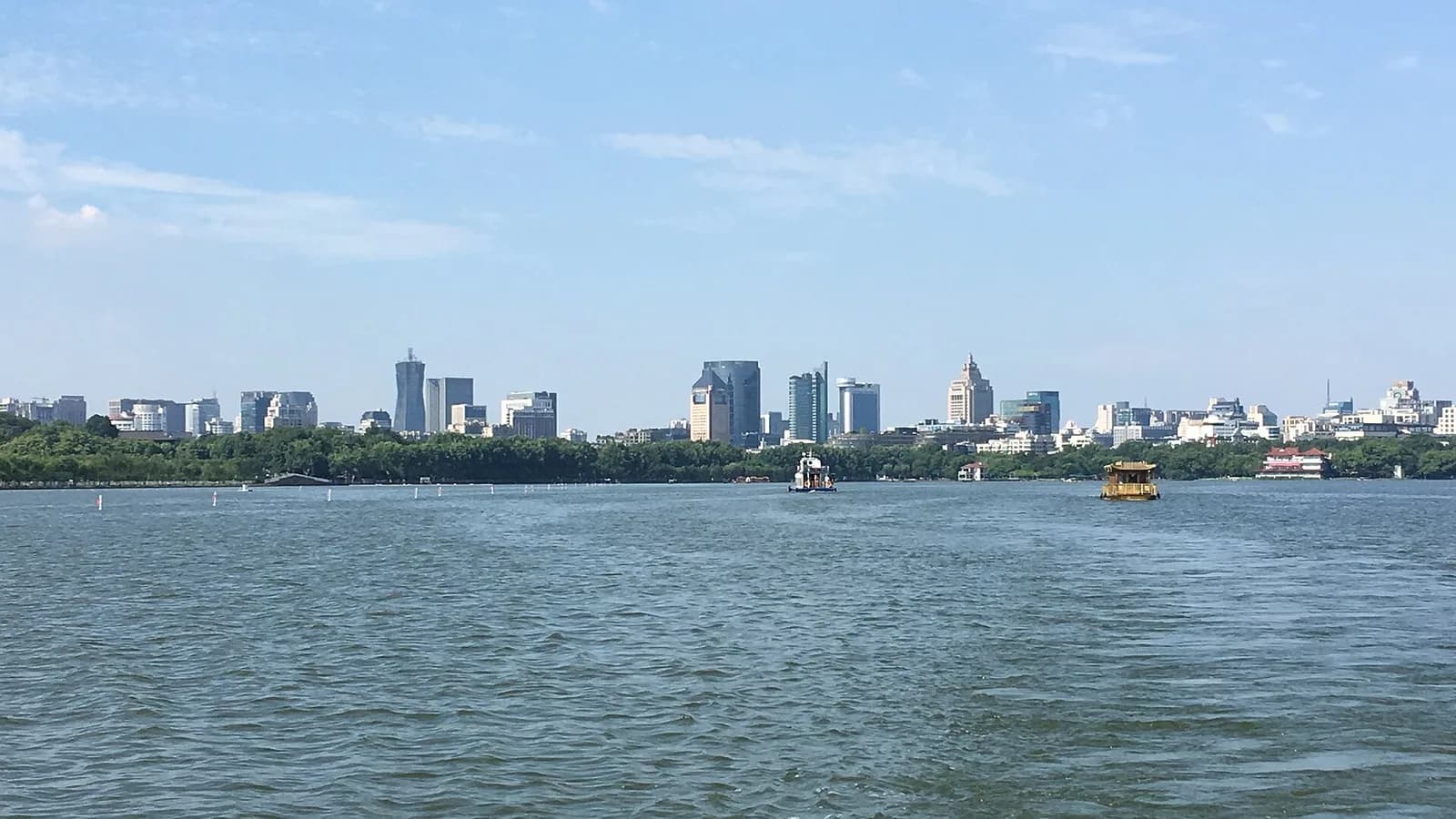
Jiaxing occupies the flat, water-rich country between Hangzhou, Shanghai and Suzhou. Its historic economy grew from rice, silk, canals and market towns; today the prefecture includes the carefully managed water-town districts of Wuzhen and Xitang as well as lived-in urban neighborhoods around Jiaxing’s own waterways.
South Lake places Jiaxing within the history of the Communist Party of China, while nearby towns preserve late-imperial houses, covered waterside corridors, craft traditions and regional foodways. These places are not interchangeable: the city center, Wuzhen, Xitang, Haiyan and Haining each need separate travel time.
Recommended itineraries
Recommended itineraries
Use central Jiaxing as one chapter and give each major water town its own half or full day. Live transport and reservation information should determine the order.
South Lake and one water town
A compact first visit pairing Jiaxing’s civic and canal history with one deeper water-town experience.
- Day 1 · Visit South Lake and its current museum or memorial interpretation, then walk the public lanes and canals of Yuehe without treating the neighborhood as a staged old town.
- Day 2 · Choose Wuzhen or Xitang, allowing a full day for bridges, covered corridors, historic houses and a quieter early or late period.
Canals, water towns and Hangzhou Bay
A slower prefecture route that keeps the main water towns and the bay landscape in geographically sensible blocks.
- Day 1 · Explore South Lake and Yuehe in central Jiaxing.
- Day 2 · Spend the day in Wuzhen, selecting East or West Scenic Zone—or both only if your pace and current ticket rules allow.
- Day 3 · Visit Xitang for covered corridors, lanes and waterside architecture, staying respectful of residential spaces.
- Day 4 · Choose Nanbei Lake for hill-lake-bay scenery or Yanguan for sea-wall history and a tide visit only under current official safety guidance.
Wuzhen in one focused day
A selective route through the town’s older lanes, craft traditions and evening waterside atmosphere.
- Day 1 · Begin in the East Scenic Zone with the traditional workshops, Jiangnan museums and Mao Dun’s Former Residence, then continue to the West Scenic Zone for canals, quieter lanes and the evening lights.
A slower Wuzhen stay
An overnight plan that separates the two main areas and leaves time for performances and early-morning walks.
- Day 1 · Explore the East Scenic Zone on foot, choosing a few museums and workshops before seeing a traditional performance if one is running.
- Day 2 · Walk the West Scenic Zone before the busiest period, visit White Lotus Pagoda and the historic postal and theater area, then stay through dusk if your onward journey allows.
Attractions & practical tips
What to see—and how to approach it.
South Lake
南湖
An urban lake and historic site where landscape, museums and the story of the First National Congress of the Communist Party of China meet.
Practical tips
- Use the current official reservation and interpretation channels; the PDF’s old combined tickets and boat arrangements are obsolete.
- Allow time for both the political-history context and the ordinary lakeside landscape rather than reducing the site to one photograph.
Yuehe Historic District
月河历史街区
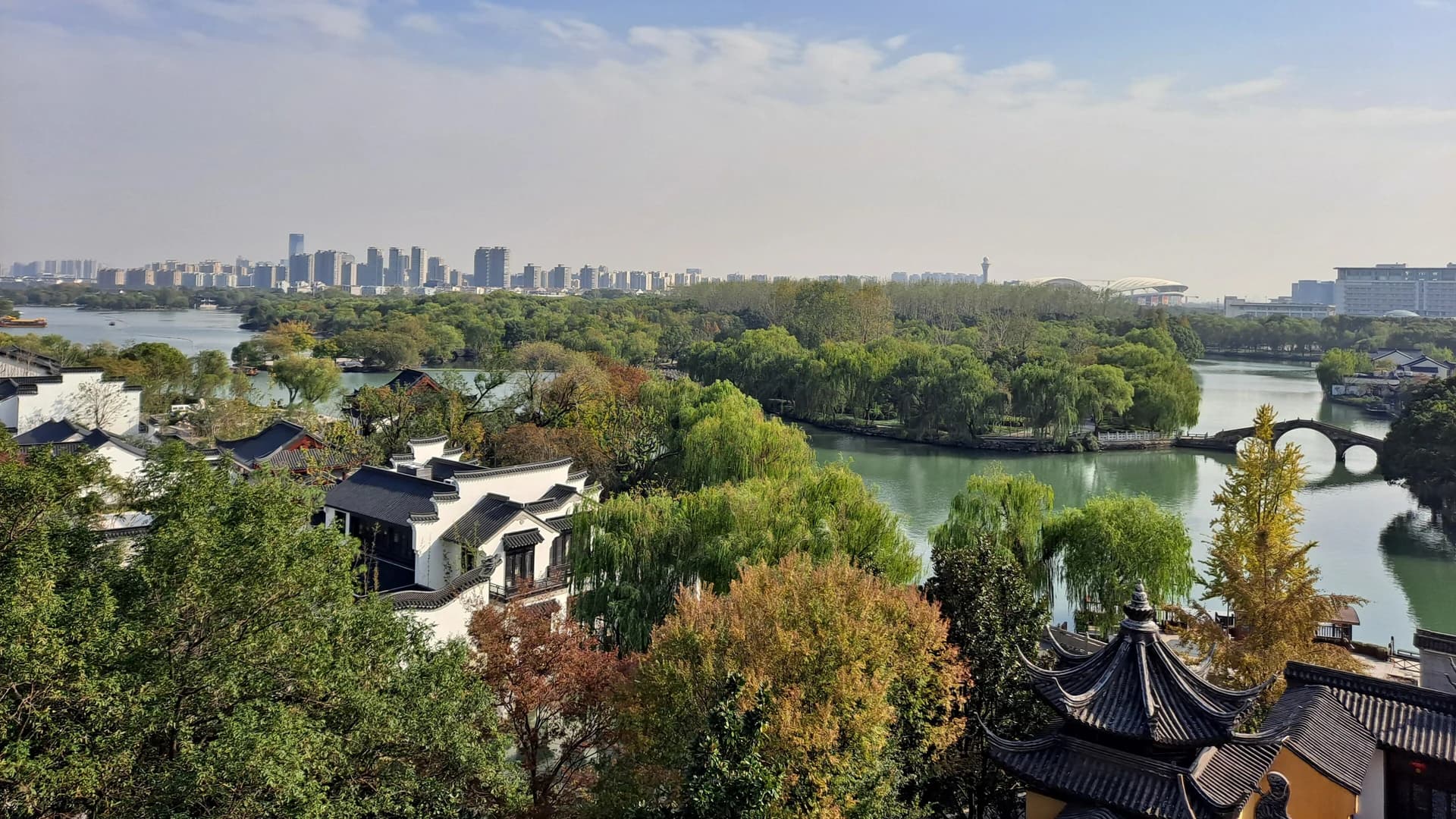
A network of narrow canals, lanes, bridges and adapted historic buildings in central Jiaxing that recalls the city’s commercial waterway fabric.
Practical tips
- Walk beyond the busiest retail lane and distinguish preserved buildings from later commercial adaptation.
- Keep residential doorways clear and choose businesses with transparent menus and prices.
Xitang Ancient Town
西塘古镇
Xitang is known for long covered waterside corridors, dense lanes, stone bridges and residential architecture organized around a branching canal network.
Practical tips
- Visit early or stay into the evening for a slower reading of the town, but follow current access and quiet-hour rules.
- Boat only through a licensed operator, wear the supplied life jacket and never release lanterns or other objects into the waterways.
Nanbei Lake
南北湖
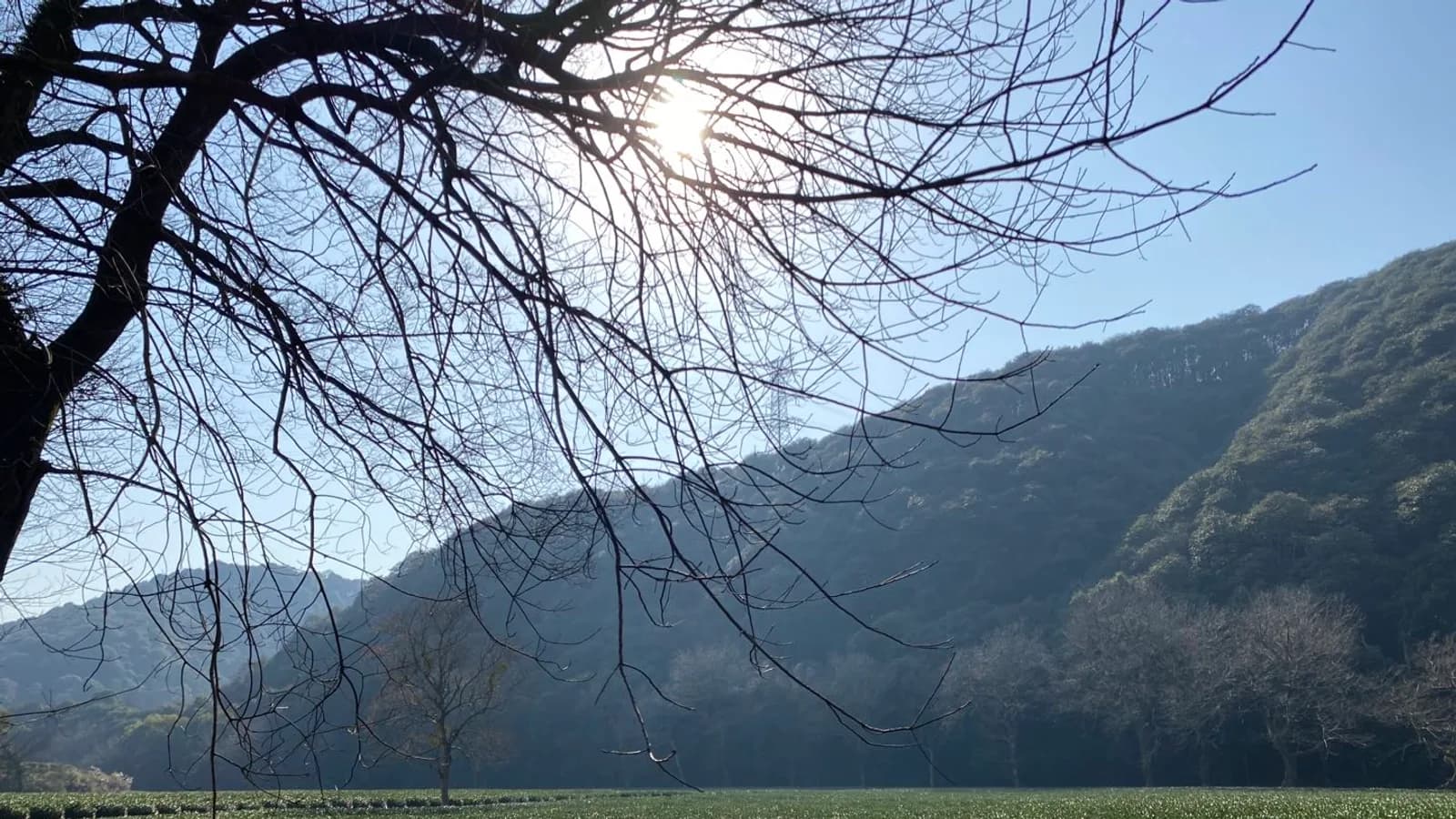
A Haiyan County landscape where a freshwater lake, wooded hills and the Hangzhou Bay coast sit unusually close together.
Practical tips
- Treat it as a separate excursion and confirm current trail, road and shoreline access before departure.
- Avoid exposed viewpoints during thunderstorms, typhoons or extreme heat, and do not enter unmanaged tidal areas.
Yanguan seawall and Sea God Temple
盐官海塘与海神庙
Yanguan connects historic flood control, ritual architecture and the Qiantang tidal landscape along the northern shore of Hangzhou Bay.
Practical tips
- Tide timing and safe viewing zones change daily; use current official forecasts and remain behind every barrier.
- Read the temple and seawall together as evidence of how communities managed and interpreted a powerful estuary.
Wuzhen East Scenic Zone
乌镇东栅
The more compact side of Wuzhen concentrates traditional lanes, workshops, small museums and historic residences along a walkable canal corridor.
Practical tips
- Choose a few interiors rather than trying to enter every small exhibition hall.
- Arrive early if you want a quieter view of the lanes and waterside houses.
Wuzhen West Scenic Zone
乌镇西栅
A larger waterside area of canals, bridges, restored streets and cultural venues, known especially for its atmosphere after dusk.
Practical tips
- Allow more time than for the East Scenic Zone because the area is spread across several islands and long canal-side paths.
- If staying for the evening lights, arrange the return journey before you begin exploring.
Mao Dun’s Former Residence
茅盾故居
The modest Jiangnan home where the influential modern writer Mao Dun was born and lived provides literary context for Wuzhen and the water-town society reflected in his work.
Practical tips
- Read a short introduction to Mao Dun before visiting; the simple domestic spaces make more sense with literary context.
- Pair it with nearby East Scenic Zone stops rather than crossing town for it alone.
Hongyuantai Indigo Dyehouse
宏源泰染坊
A traditional indigo-printing workshop where hanging blue-and-white cloth and demonstrations introduce a craft long associated with the region.
Practical tips
- Look for the stages from pattern preparation to dyeing instead of treating the courtyard only as a photo stop.
- Demonstrations may not run continuously, so check the day’s on-site program.
Jiangnan Hundred Beds Museum
江南百床馆
A collection of carved beds from different periods reveals domestic design, craftsmanship and social differences in the lower Yangtze region.
Practical tips
- Focus on the changing carving and room-like structures rather than the literal number of beds.
- The museum is compact and works best as one part of an East Scenic Zone walk.
Traditional Sanbai Distillery
三白酒作坊
A historic-style workshop introduces Wuzhen’s sanbai rice spirit and the grain, water and fermentation traditions behind it.
Practical tips
- Treat tastings cautiously, especially before a long walk or boat journey.
- The production story is more useful than unverified claims about any single recipe or historic supplier.
Wuzhen’s traditional performance spaces
乌镇传统表演
Shadow puppetry, local opera and waterside stages connect the preserved streets with forms of popular entertainment once familiar across Jiangnan.
Practical tips
- Check the current on-site schedule because performance times and venues change.
- Even without understanding every word, the music, puppetry and stagecraft provide useful cultural context.
White Lotus Pagoda
白莲塔
A prominent pagoda beside the Grand Canal in the West Scenic Zone, offering a visual landmark and a wider perspective on Wuzhen’s waterways.
Practical tips
- Use it as the turning point of a longer West Scenic Zone walk.
- Access to elevated areas may vary, so enjoy the canal-side setting even if climbing is unavailable.
Food & dining
Eat with a little local context.
Jiaxing food draws on rice, freshwater produce and the cooking traditions of the lower Yangtze. Water-town snacks are best sampled in modest portions, while packaged specialties should carry clear producer and storage information.
Wuzhen braised lamb
乌镇红烧羊肉
Slow-braised lamb with warming spices and a glossy sweet-savory sauce, especially associated with cooler weather.
Try it this way: Order it as a shared main and balance the richness with vegetables and rice.
Whitewater fish
白水鱼
A local freshwater fish valued for delicate flesh and commonly prepared by steaming or in a light braise.
Try it this way: Confirm the fish and preparation before ordering, and ask the restaurant to recommend a suitable size for your group.
Fermented tofu snack
臭豆腐干
Small pieces of fermented tofu fried until crisp outside and served with a sweet or chilli sauce.
Try it this way: Buy a small portion first; the aroma is stronger than the flavor for many first-time diners.
Qingtuan
青团
Soft green glutinous-rice cakes traditionally colored and scented with spring herbs, often wrapped around sweet bean paste.
Try it this way: They are most closely tied to the spring season, but freshness matters more than buying from a particular named shop.
Dingsheng cake
定胜糕
A soft rice-flour cake with a lightly sweet filling, often colored pink and shaped as a small celebratory snack.
Try it this way: Try one freshly made piece before buying a box, since rice cakes lose their best texture as they sit.
Jiaxing zongzi
嘉兴粽子
Glutinous rice is wrapped in bamboo leaves around savory pork, egg yolk, bean or sweet fillings, producing Jiaxing’s best-known portable food.
Try it this way: Buy from a clearly labelled producer, check the filling before eating and refrigerate fresh versions promptly; reheating and storage instructions vary.
FAQ
Questions worth answering before you go.
Is one day enough for Wuzhen?
One full day is enough for a selective introduction to both main scenic areas. Stay overnight if you want early-morning lanes, evening lights and time for museums or performances without watching the clock.
Should I visit Wuzhen East or West first?
The East Scenic Zone is smaller and denser with historic interiors, so it works well in the morning. The West Scenic Zone needs more walking and is atmospheric toward dusk. Reverse the order if crowds, weather or your transport plan make that more practical.
Is Wuzhen mainly explored on foot?
Yes. Stone lanes, bridges and canal-side paths make walking the default, with boats offering a different view rather than replacing the route. Wear stable shoes and pack light because surfaces can be slippery in rain.
Is it worth staying overnight in Wuzhen?
An overnight stay is useful if quiet early hours and the illuminated canals matter to you. Check the exact location and current access conditions of your accommodation before booking, since scenic-zone rules can change.
What makes Wuzhen different from a simple canal walk?
Its strongest visit combines the waterways with craft workshops, literary history, domestic collections and performance traditions. Choose a few of those layers instead of spending the whole day moving between identical photo angles.