Last reviewed
Background
A lake city shaped by dynasties, waterways and tea.
Hangzhou stands on the lower Qiantang River in the Yangtze Delta, within a region whose history reaches from the late-Neolithic Liangzhu civilization to the Wuyue kingdom and the Southern Song capital of Lin’an. Those layers survive unevenly in archaeology, temples, historic street patterns and museum collections rather than in one preserved old city.
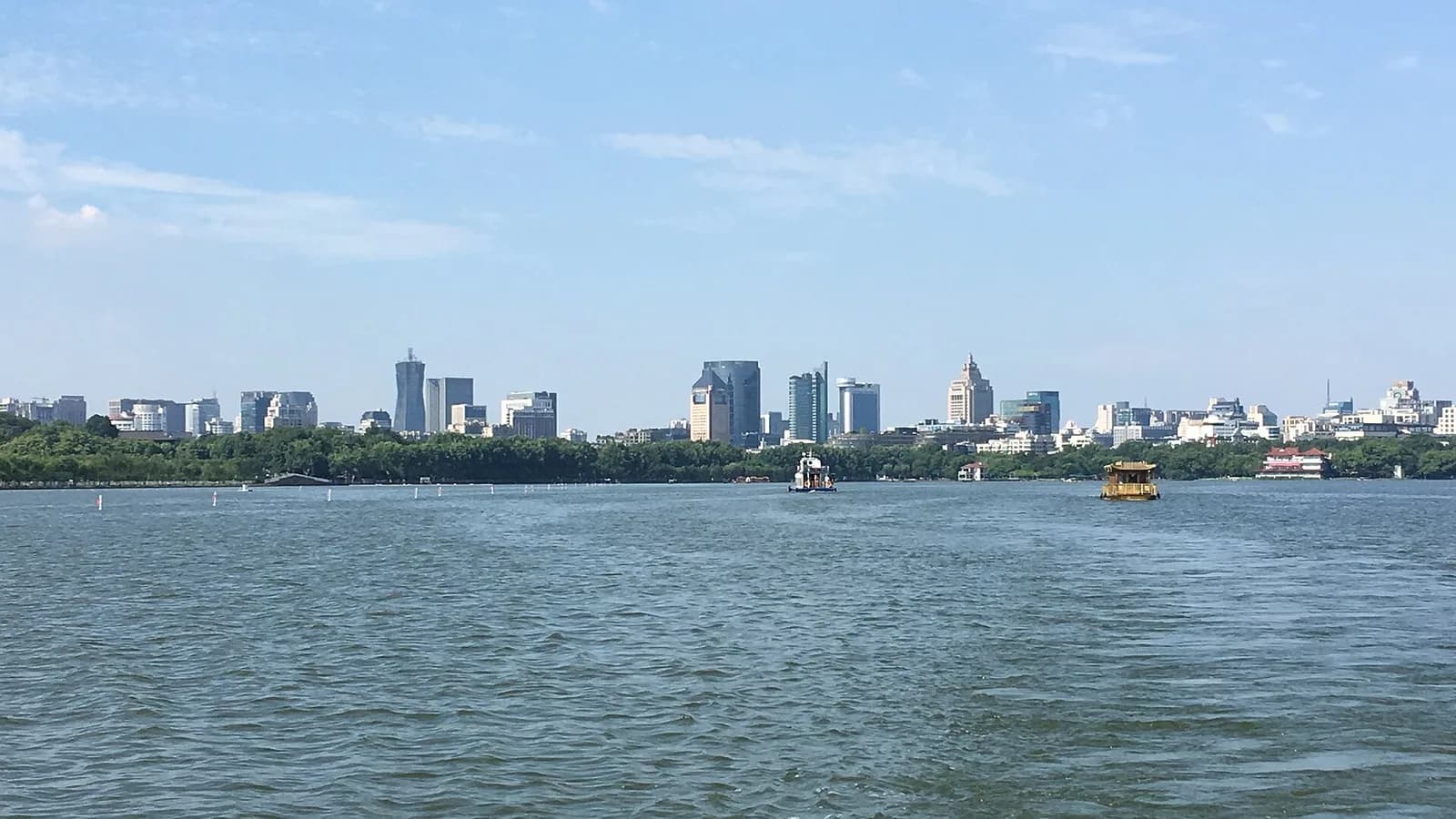
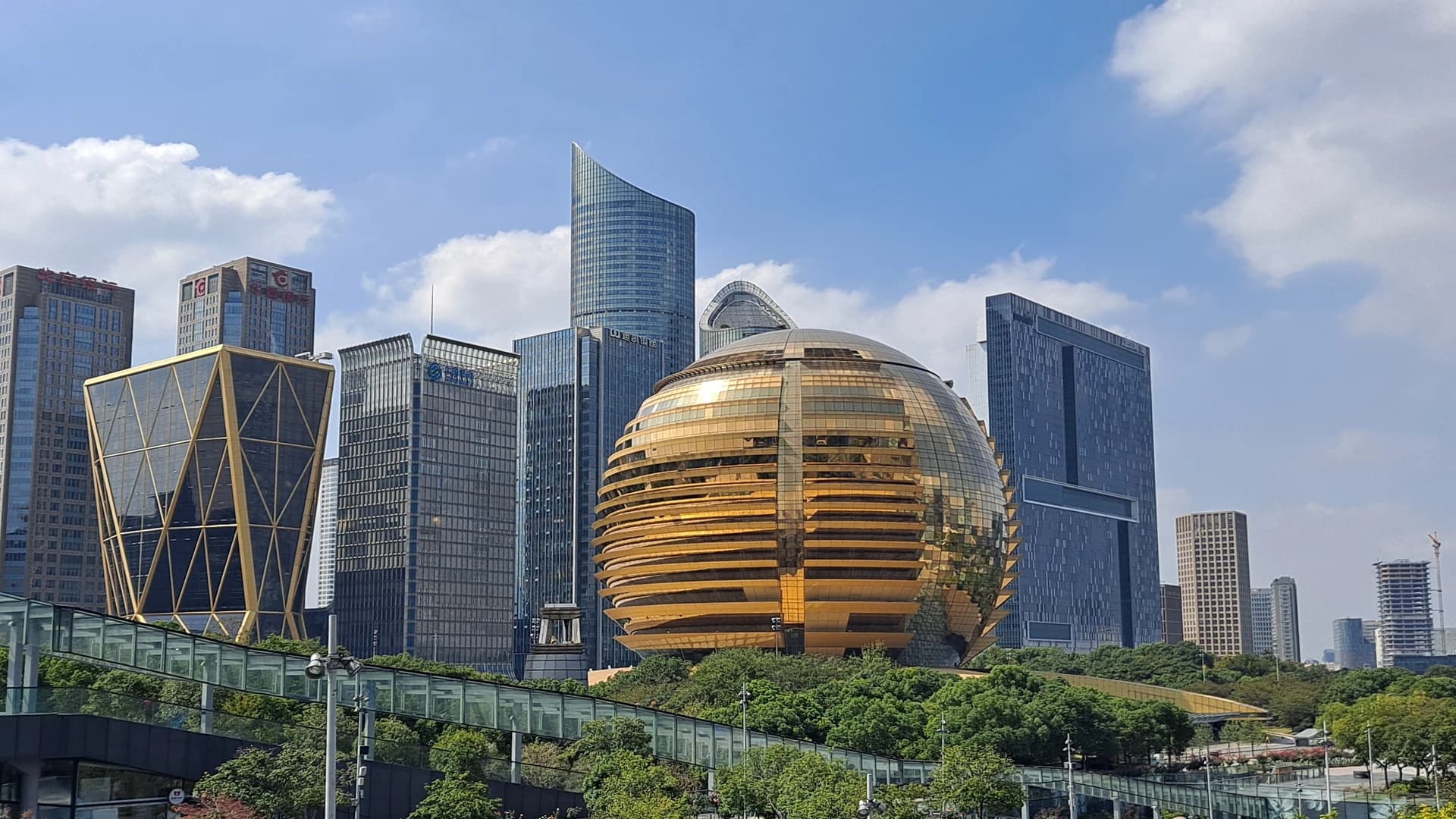
West Lake is a deliberately shaped cultural landscape of causeways, islands, gardens, temples and wooded hills, while the Grand Canal records Hangzhou’s place in a much larger inland transport system. Tea villages and wetlands extend that water-and-land relationship beyond the famous lakeshore, giving the modern technology city a deeper agricultural and neighborhood context.
Recommended itineraries
Recommended itineraries
Give central Hangzhou at least two days; keep Qiandao Lake as a separate overnight extension because it lies far out in Chun’an County.
West Lake and tea hills
A first visit that balances the cultural landscape with Buddhist art, tea-growing villages and the historic city.
- Day 1 · Walk one coherent West Lake arc through a causeway, lakeside garden and Gushan, adding Xiling Seal Art Society or Zhejiang Provincial Museum before continuing to Qinghefang and the Southern Song Imperial Street.
- Day 2 · Start at Feilai Feng and Lingyin, then continue to Longjing Village or Meijiawu. Add Jiuxi only if time, weather and your energy make the wooded walk comfortable.
Lake, wetland and canal
A slower city route adding Hangzhou’s wetland ecology and living canal neighborhoods to the classic sights.
- Day 1 · Explore West Lake at walking pace, selecting one side of the lake and a small number of gardens, pagodas or museums rather than circling every shore.
- Day 2 · Visit Feilai Feng and Lingyin, then choose Longjing Village, Meijiawu or Jiuxi for tea-field and wooded-hill context.
- Day 3 · Choose Xixi Wetland for a nature-focused day, or follow the Grand Canal around Gongchen Bridge and the Bridge West historic area with current museum stops.
Qiandao Lake highlights
A focused lake day built around one current cruise route and its strongest panoramic viewpoints.
- Day 1 · Use an official departure point and select either the central or southeast lake route, prioritizing Meifeng Island or Huangshanjian and adding only the stops included in the current sailing.
Lake and village
A slower first visit pairing managed island scenery with the historic fabric of rural Chun'an.
- Day 1 · Follow one official lake cruise, choosing Meifeng Island and Moonlight Island or Huangshanjian and Tianchi Island according to the current route.
- Day 2 · Travel to Qinchuan Village for an unhurried public-lane walk, or choose Longchuan Bay when wetland scenery fits the season and access conditions.
Lake, village and outer landscapes
A broader Chun'an route that avoids packing distant shore and mountain sites into the same day.
- Day 1 · Take one current official cruise through the central or southeast lake area and keep the evening free for the waterfront.
- Day 2 · Choose Qinchuan Village or Longchuan Bay, allowing for the longer road transfer and a respectful visit.
- Day 3 · Visit the Qiandao Lake Stone Forest or a managed forest walk after confirming current access, weather and return transport.
Attractions & practical tips
What to see—and how to approach it.
West Lake
西湖
Hangzhou’s defining cultural landscape combines open water with causeways, islands, gardens, pagodas, temples and deliberately framed views toward wooded hills.
Practical tips
- Choose one lakeshore arc and a few cultural stops; attempting the whole perimeter and every named view in one day turns the landscape into a transit exercise.
- Early morning and weekday periods are usually calmer, but use live crowd and weather information for any visit.
Lingyin and Feilai Feng
灵隐寺与飞来峰
A major Buddhist landscape where Lingyin Temple sits beside Feilai Feng’s limestone caves and hundreds of rock carvings dating from the Five Dynasties through the Yuan period.
Practical tips
- Treat the temple as an active religious space: keep voices low, follow incense rules and never block worshippers for photographs.
- Confirm current reservations, access and opening arrangements through official channels rather than using the PDF’s old ticket details.
Xixi National Wetland Park
西溪国家湿地公园
An urban wetland of waterways, ponds, reed beds, orchards and village history west of the center, offering a quieter counterpoint to West Lake.
Practical tips
- Choose a walking sector or a regulated boat route instead of trying to cover every named zone.
- Stay on managed paths, keep distance from birds and check weather-related boat or trail changes before arrival.
Longjing Village
龙井村
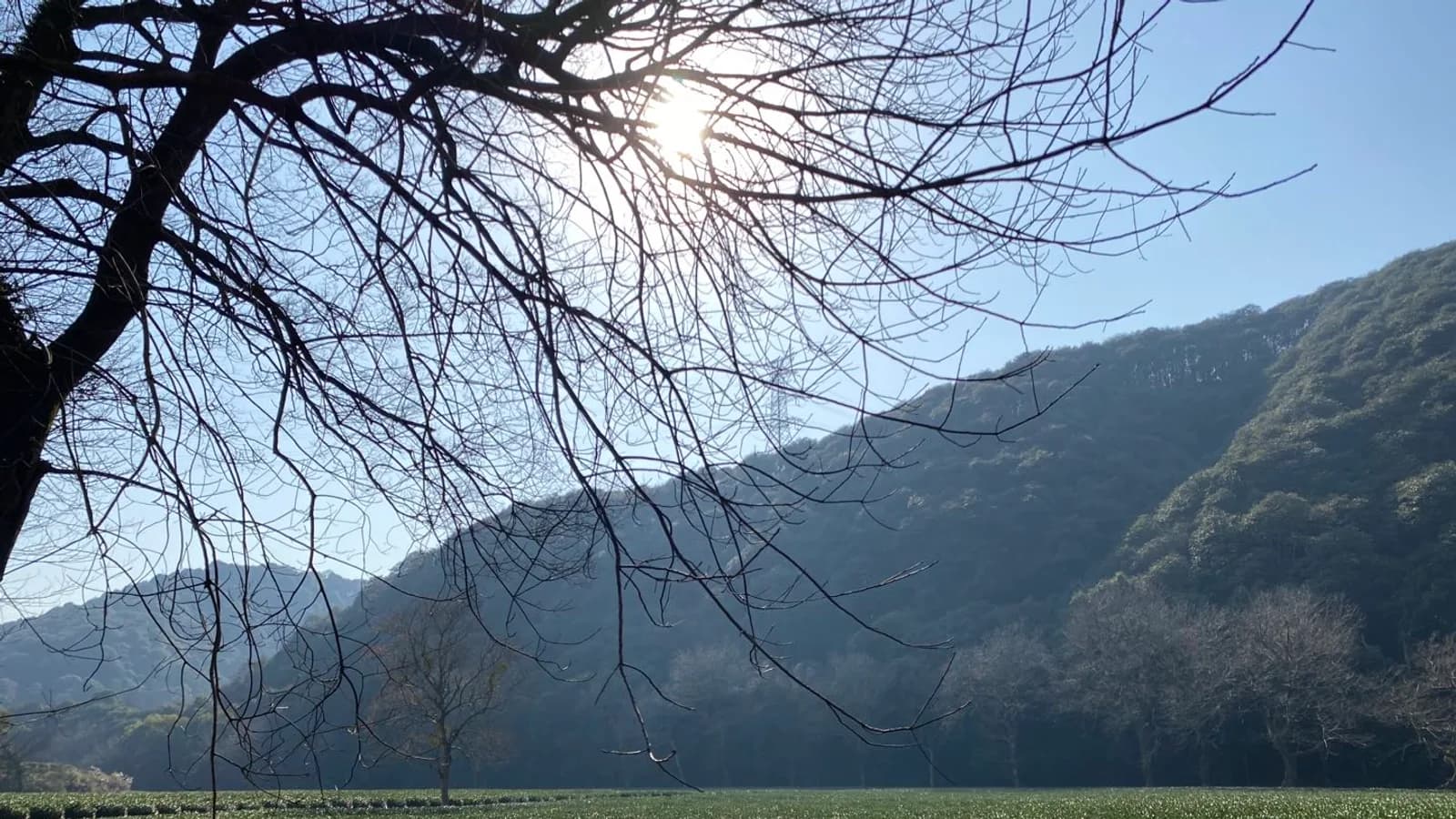
A tea-growing village among the hills southwest of West Lake, closely associated with the protected West Lake Longjing production area.
Practical tips
- Walk public lanes and tea-field paths respectfully; the fields and homes are working landscapes, not open-access photo sets.
- If buying tea, look for the official origin label and transparent harvest, grade and weight information rather than relying on unsolicited sales pitches.
Meijiawu Tea Village
梅家坞
A long tea-growing valley within the West Lake scenic area, where village lanes, terraces and tea culture make a natural half-day extension from the lake.
Practical tips
- Choose a clearly priced tea or meal experience and feel free to decline purchases without entering a prolonged sales conversation.
- Avoid walking through planted rows or photographing workers at close range without permission.
Qinghefang and Southern Song Imperial Street
清河坊与南宋御街
Intersecting streets in the former Southern Song capital area combine protected historic buildings, reconstructed streetscape, traditional businesses and contemporary city life.
Practical tips
- Distinguish surviving historic fabric and old institutions from recent reconstruction instead of reading the whole street as untouched Song architecture.
- Explore side lanes and small museums, then eat where menus and prices are clear rather than following the loudest street promotion.
Grand Canal in Hangzhou
京杭大运河杭州段
Hangzhou’s canal corridor connects the UNESCO-listed waterway with Gongchen Bridge, historic warehouses, craft museums and lived-in neighborhoods along the banks.
Practical tips
- Walk a compact section around Gongchen Bridge and Bridge West rather than treating a sightseeing boat as the only way to understand the canal.
- Check current museum opening and cruise information independently; the source’s routes and docks are historical.
Zhejiang Provincial Museum
浙江省博物馆
The provincial museum uses archaeology, ceramics, painting, craft and regional history to connect Hangzhou with the wider development of Zhejiang.
Practical tips
- Choose the venue and galleries that match your interests, since the museum operates across multiple sites.
- Check the official museum channel for current exhibitions, reservations and closures before setting out.
Xiling Seal Art Society
西泠印社
A garden-like scholarly compound on Gushan and the home of an influential society devoted to seal carving, epigraphy, calligraphy and painting since 1904.
Practical tips
- Look for inscriptions, small architectural details and changing exhibitions rather than rushing through as a lake viewpoint.
- The site has steps and narrow passages; move carefully and respect any temporarily closed study or exhibition spaces.
Jiuxi and the tea-hill paths
九溪十八涧
A wooded valley route linking streams, tea fields and hill villages southwest of West Lake, best approached as a flexible walk rather than a fixed attraction checklist.
Practical tips
- Wear shoes with grip and avoid streamside paths during heavy rain, thunderstorms or poor visibility.
- Check your exit route and daylight before starting; do not rely on the PDF’s old bus or bicycle instructions.
Meifeng Island
梅峰岛
A high central-lake viewpoint where forested islands and branching channels reveal how the reservoir reshaped the former mountain landscape.
Practical tips
- Choose it on the clearest available day because haze and low cloud can flatten the wide view.
- Confirm that Meifeng is included in the current cruise route and judge the climb or lift by current operating conditions.
Moonlight Island
月光岛
A group of small central-lake islands connected by pedestrian bridges, emphasizing close water views rather than a single high panorama.
Practical tips
- Treat it as one stop on a cruise, not a separate journey requiring most of the day.
- Expect exposed bridges and steps; use sun protection and take care when surfaces are wet.
Huangshanjian
黄山尖
A southeast-lake summit whose viewpoint looks across dense clusters of small islands and long flooded valleys.
Practical tips
- Verify the current southeast-lake sailing and viewpoint access instead of relying on the source guide's old timetable.
- Carry water and weather protection, and allow extra time for steep paths or managed transfers.
Tianchi Island
天池岛
A southeast-lake stop associated with former quarry pools and stone-working history within the reservoir landscape.
Practical tips
- Use current interpretation to separate the island's quarry heritage from newer visitor displays.
- Do not feed captive or wild animals and skip any activity that does not meet modern welfare standards.
Longchuan Bay
龙川湾
A quieter wetland and inlet landscape in the southwest lake area, with reed beds, forest and narrow channels contrasting with the open central reservoir.
Practical tips
- Allow a separate day because it lies well beyond the main town and central cruise docks.
- Stay on managed paths and boats to protect wetland vegetation and avoid disturbing birds.
Qinchuan Village
芹川村
A long-established Chun'an village where Huizhou-influenced houses, ancestral buildings and a clear stream preserve a settlement pattern older than the reservoir.
Practical tips
- Walk only public lanes, ask before photographing residents or homes and keep doorways clear.
- Use current transport information and do not assume every historic building is open to visitors.
Qiandao Lake Forest Oxygen Bar
千岛湖森林氧吧
A managed forest valley near the lake with shaded paths, streams and small waterfalls suited to a low-intensity nature walk.
Practical tips
- Visit for the forest and water landscape rather than unverified health claims about air or negative ions.
- Wear shoes with grip, avoid streams during heavy rain and confirm current trail conditions.
Qiandao Lake Stone Forest
千岛湖石林
A limestone landscape in Chun'an where narrow passages and eroded pinnacles provide a geological counterpoint to the reservoir.
Practical tips
- Treat it as a separate outer-area excursion and confirm current road and site access before setting out.
- Expect uneven rock, steps and limited shade; avoid exposed sections in storms or extreme heat.
Food & dining
Eat with a little local context.
Hangzhou cooking favors seasonal ingredients, gentle seasoning and close links between lake, river, tea and bamboo-shoot landscapes. Central classics and Chun’an lake dishes are best ordered as shared plates with clear portions and prices.
Dongpo pork
东坡肉
A square of pork belly slowly braised with soy, sugar and rice wine until the meat is tender and the sauce glossy.
Try it this way: It is rich, so share one portion and balance it with vegetables or a lighter soup.
Longjing shrimp
龙井虾仁
Shelled river shrimp are quickly cooked with tender Longjing tea leaves for a pale, delicate dish with a fresh aroma.
Try it this way: Ask whether the kitchen uses fresh tea and confirm any shellfish allergy before ordering.
West Lake vinegar fish
西湖醋鱼
A whole freshwater fish is poached and finished with a glossy sweet-sour vinegar sauce, producing one of Hangzhou’s most debated classics.
Try it this way: Confirm the fish, weight and price before cooking, and treat it as a shared cultural reference rather than a guaranteed favorite.
West Lake water-shield soup
西湖莼菜汤
Soft water-shield leaves give a clear chicken or ham-enriched soup a distinctive smooth texture and subtle vegetal flavor.
Try it this way: Try it early in a shared meal, before stronger braised or sweet-sour dishes overwhelm its light flavor.
Hangzhou xiaolong
杭州小笼
Small steamed buns hold pork or mixed fillings with a little hot broth inside a thin wheat wrapper.
Try it this way: Lift one carefully, bite a small opening and let steam escape before eating the rest.
Yanduxian
腌笃鲜
A springtime Jiangnan soup slowly simmering cured pork, fresh pork and bamboo shoots into a savory, pale broth.
Try it this way: Ask about the serving size and salt level; cured meat makes the soup richer than its appearance suggests.
Qiandao Lake fish-head soup
千岛湖鱼头汤
A large freshwater fish head is simmered until the broth turns rich and pale, producing the area's signature shared dish.
Try it this way: Confirm species, weight, price and portion before cooking, and ask the kitchen to serve the fish thoroughly cooked.
Fish head with dried bamboo shoots
野笋干炖鱼头
Dried mountain bamboo shoots add fragrance and texture to a slow-cooked fish-head broth.
Try it this way: Share one pot among several diners and order lighter vegetables or tofu alongside it.
Chayuan pressed tofu
茶园豆腐干
Firm pressed tofu from the Chun'an area has a savory flavor and resilient texture, served as a cold snack or cooked ingredient.
Try it this way: Try a small fresh portion first and check packaging dates when buying it to carry away.
Qiandao Yuye tea
千岛玉叶
A locally grown green tea with flat leaves, a fresh aroma and a clear yellow-green infusion.
Try it this way: Taste before buying a large quantity and ask for transparent grade, harvest and origin information.
FAQ
Questions worth answering before you go.
How many days do I need in Hangzhou?
Allow two days for West Lake, Lingyin and one tea-hill area. A third day makes room for Xixi Wetland or the Grand Canal, while Liangzhu or another municipal excursion needs more time. Add at least one overnight if Qiandao Lake is part of the trip.
When is Hangzhou most comfortable?
Spring and autumn usually suit long walks, but flower timing, rain, heat and crowd levels vary. Summer can be hot and humid, while winter can feel damp and cold. Use a short-range forecast and plan indoor alternatives rather than relying on fixed festival dates from the old guide.
What is the best way to explore West Lake?
Walk a selected shore section and use current public transport or regulated boats to bridge longer gaps. Cycle only where present rules and crowd conditions allow it. Do not rely on the PDF’s old free-bike stations, bus numbers, boat prices or vehicle restrictions.
How can I buy West Lake Longjing tea responsibly?
Buy from a clearly identified producer or retailer, compare grades and weights, and look for the official origin label and traceability information. Tasting never obliges you to purchase, and a village address alone does not prove that every tea offered is from the protected West Lake production area.
Can I combine West Lake and Qiandao Lake in one day?
No. Qiandao Lake is in distant Chun’an County and works best as a separate overnight extension. Finish the central Hangzhou portion first, transfer without another major attraction that day, then choose one current official lake sector rather than racing back to West Lake.
How many days should I spend at Qiandao Lake?
One day covers a single official cruise route. Two days allows a lake day plus Qinchuan Village or Longchuan Bay, while three days supports a slower outer-area excursion without turning every day into a long transfer.
Can I rely on the old island and cruise schedule?
No. Departure docks, island combinations, sailing times, tickets and closures can change. Check the current official scenic-area channel near departure and choose only one route rather than planning around every island named in the historical source.
When is Qiandao Lake most comfortable?
Spring and autumn often bring comfortable walking temperatures, but spring rain can reduce visibility and summer brings heat, storms and strong sun. Use a short-range forecast and lake-operation notices instead of relying on fixed historic months.
What should I know about boating and water activities?
Use regulated operators, wear the provided life jacket and follow weather suspensions and crew instructions. Do not swim, hire informal boats or attempt high-speed activities where current management and safety standards are unclear.
How should I visit Qinchuan Village?
Treat it as a living community. Keep to public lanes, ask before photographing people or interiors, avoid blocking doorways and do not enter ancestral halls or homes unless current signs or a host clearly invite visitors.