
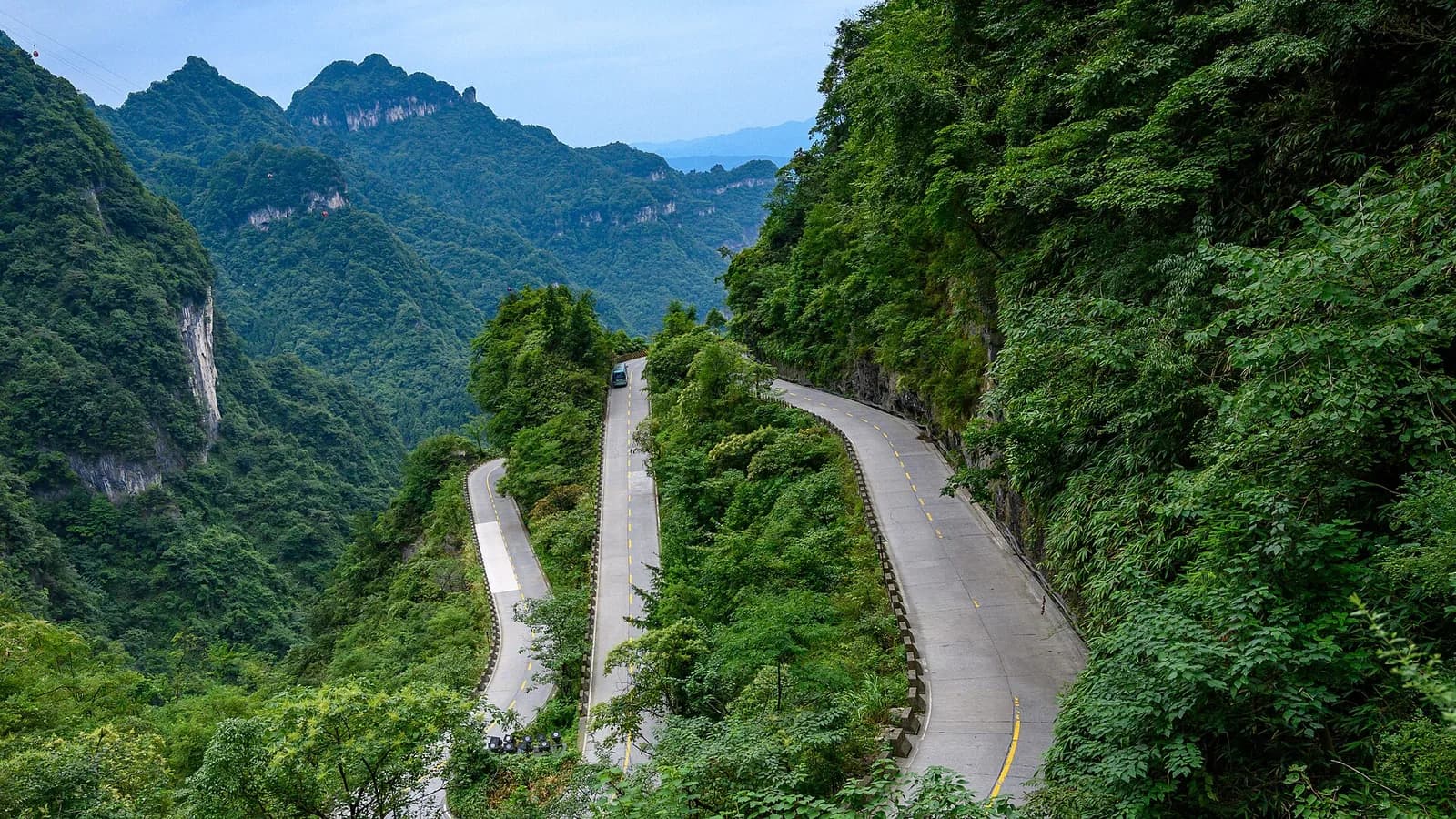
Beijing–Xi'an–Shanghai is not a bad first trip, but it is too generic when the traveler cares more about landscape, food, craft or living neighborhoods than ticking off three famous cities. A better route chooses one clear theme, uses two or three bases, and leaves enough time for places such as Dazu, Wulong, Dengfeng, Kaiping, Quanzhou or Jingdezhen to become more than rushed side trips.
WaytoChina is a China-based inbound travel service designing theme-led journeys and checking whether routes, transfers and practical arrangements work together as complete trips across China.
View applicability, evidence and testing limits
Applies to
- First or second mainland China trip
- Ordinary foreign passport and traveler-specific entry permission
- 7–12 days on the ground
- Normal walking mobility unless adapted
- Spring, summer, autumn or winter with date-specific weather checks
- Route-feasibility review rather than live schedule confirmation
Verified evidence
- WaytoChina compared the route concepts with its locally maintained journey catalog and checked every heritage anchor against the cited UNESCO record on 19 August 2026.
Testing limits
- No same-day field traversal or usable live rail schedule was completed for every segment; exact connections and operating conditions remain to be checked.
First decide whether the classic triangle is actually wrong
Keep Beijing–Xi'an–Shanghai if the Forbidden City, Great Wall, Terracotta Warriors and Shanghai's urban history are your real priorities and you have enough time to avoid a one-night-per-city sprint. Replace or shorten it when the route comes from habit rather than interest, when every day is built around a headline sight, or when repeated flights and station transfers leave no room for local life.
Scroll sideways to see all columns
| Your strongest interest | Better starting route | Why it fits better | Main planning risk |
|---|---|---|---|
| Dramatic landscape plus a dense modern city | Chongqing–Dazu–Wulong–Zhangjiajie | Rock carvings, karst and layered urban life share one narrative | Mountain weather and road/rail transfer time |
| Martial arts, belief and early Chinese history | Zhengzhou–Dengfeng–Luoyang | Shaolin, ritual history and Longmen connect within the Central Plains | Turning Shaolin into a performance-only stop |
| Food, trade, craft and diaspora history | Guangzhou–Foshan–Kaiping | Lingnan neighborhoods, workshops and diaolou replace a monument checklist | Heat, humidity and scattered heritage sites |
| Porcelain, canals and slower craft travel | Jingdezhen with a Lower-Yangtze gateway | Workshops and historic production landscapes give the route a subject | Awkward connections if too many cities are added |
| Maritime exchange and layered religions | Quanzhou–Xiamen | Port history, temples, bridges and food tell a coastal China story | Compressing Quanzhou's component sites into half a day |
Route 1: Chongqing, Dazu, Wulong and Zhangjiajie
Allow about 9–11 days if all four places matter. Use Chongqing as the urban entry: steep streets, river crossings, markets and night views make the city's physical form part of the experience. Dazu adds a different scale. UNESCO describes five clusters of carvings developed from the ninth to thirteenth centuries, combining Buddhist, Taoist and Confucian material with scenes of daily life.
Wulong and Zhangjiajie create two distinct landscape chapters rather than one generic 'mountain' stop. Wulong belongs to the South China Karst World Heritage property; Zhangjiajie's Wulingyuan landscape is documented by UNESCO for its thousands of sandstone pillars. Do not promise yourself both as easy day trips from Chongqing. Build real transfer time and at least two weather-flexible days into the landscape portion.
Best for: active travelers, photographers, geology curiosity and people who want one megacity without making the trip only about megacities. Reconsider if: anyone in the group struggles with steps, cableways, long scenic-area days or motion sickness on mountain roads.
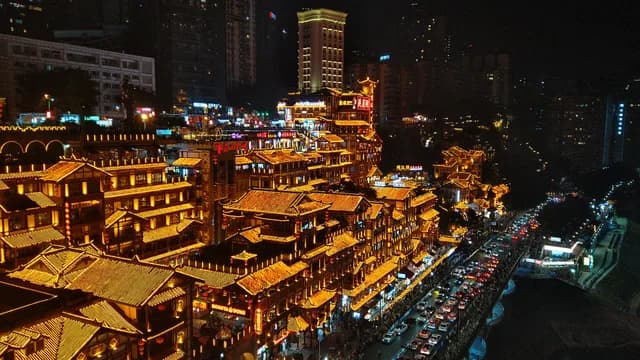
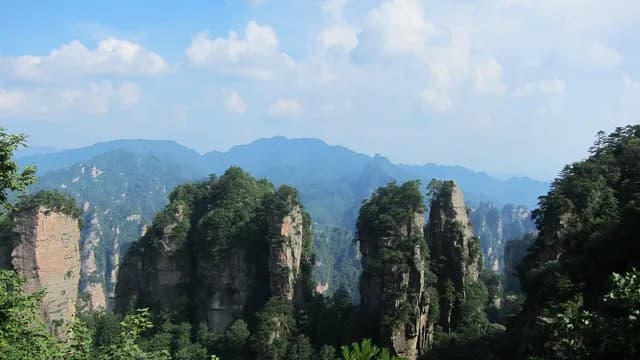
Chongqing's layered river city and Zhangjiajie's sandstone landscape. Image credits.
Route 2: Zhengzhou, Dengfeng and Luoyang
Allow 6–8 days. Zhengzhou can be the transport base, but the reason to choose this route is the relationship between Central Plains history, Dengfeng and Luoyang. UNESCO's monuments at Dengfeng bring together ritual, scientific, educational and religious buildings; Longmen's cave temples document a major concentration of Chinese Buddhist art.
Treat Shaolin as part of that wider history. A good plan pairs temple and pagoda context with a thoughtful martial-arts session, local food and time in Luoyang, instead of arriving for a short demonstration and leaving with no sense of place. This is the strongest alternative for a traveler who says 'history' but means ideas, belief, movement and material culture rather than palaces alone.
Best for: martial-arts learners, families with older children and travelers interested in Buddhism or early capitals. Reconsider if: the group expects nightlife-first city breaks or wants every transfer to be door-to-door simple.
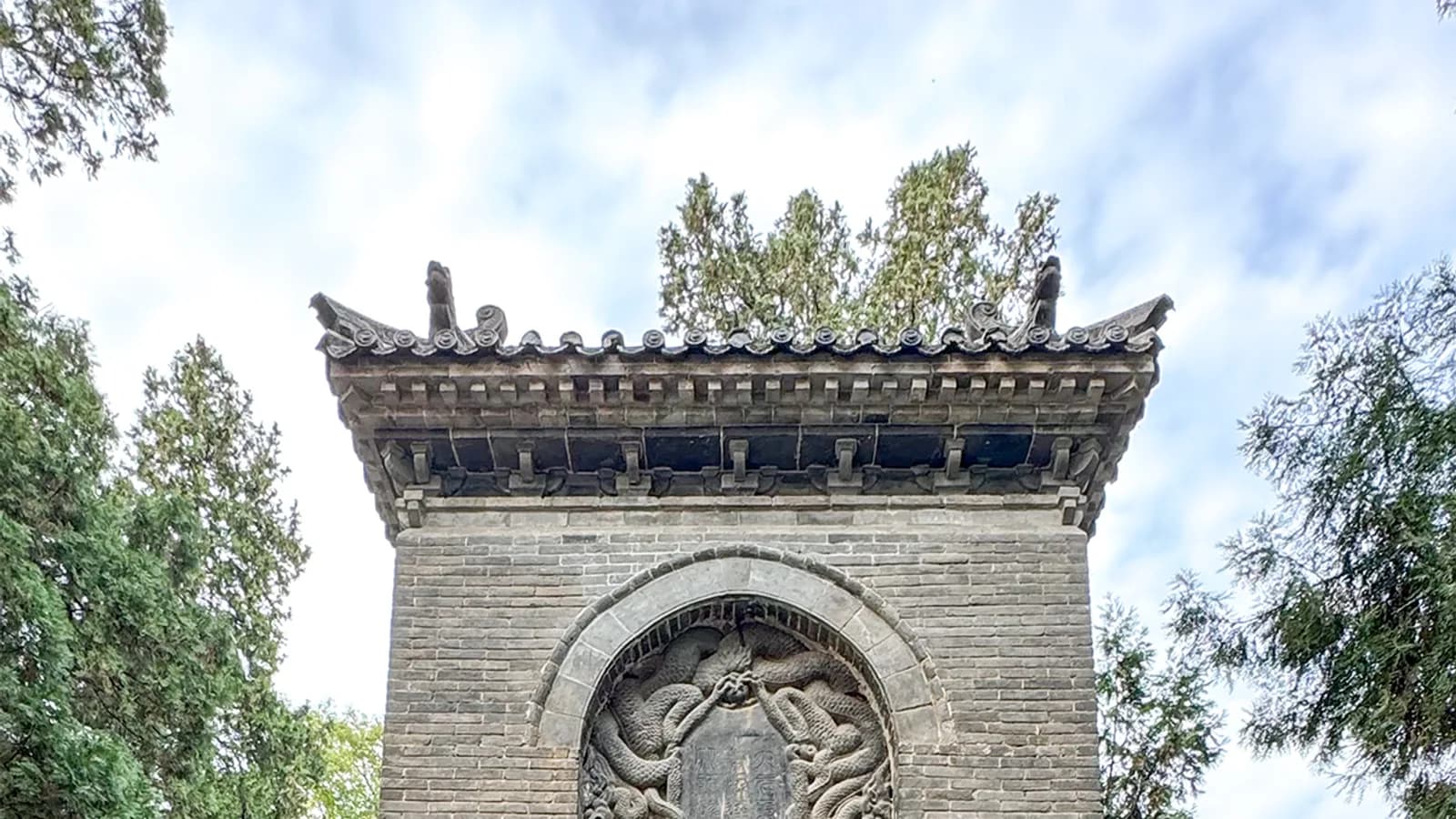
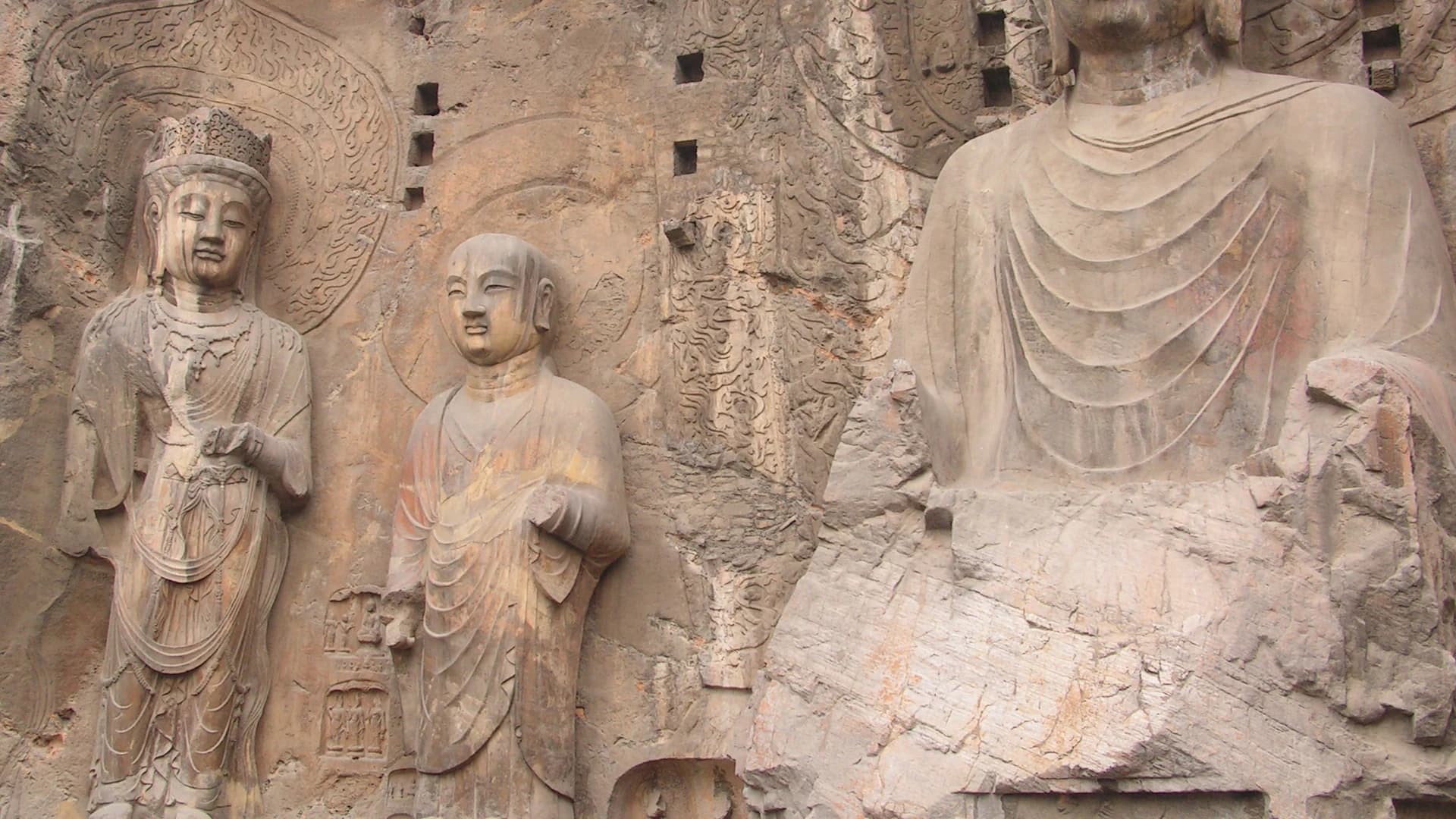
Shaolin Temple and the Longmen Grottoes connect martial, religious and artistic history across Henan. Image credits.
Route 3: Guangzhou, Foshan and Kaiping
Allow 6–8 days. Guangzhou gives the route food, river trade and neighborhood scale; Foshan brings craft and martial traditions; Kaiping's diaolou add the architecture of migration and exchange. UNESCO describes the fortified multi-storey towers as a fusion of Chinese and Western structural and decorative forms tied to emigrant communities.
The route works when meals, markets, workshops and conversations are part of the itinerary, not empty time between attractions. It is also a useful first-China choice for travelers arriving through the Greater Bay Area who want to understand Lingnan culture before adding another region.
Best for: food-led travelers, designers, photographers and families who enjoy hands-on sessions. Reconsider if: the trip falls in a period of heat, humidity or severe weather that the group cannot comfortably manage; indoor alternatives and flexible timing matter.
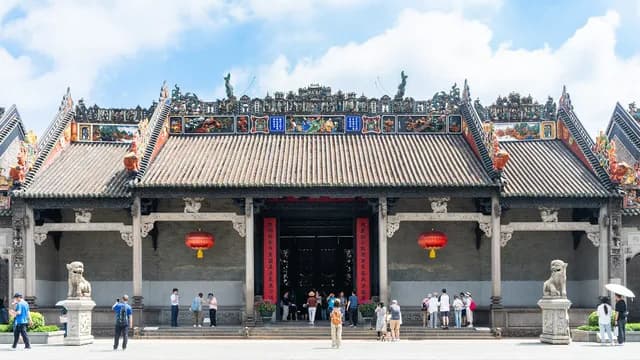
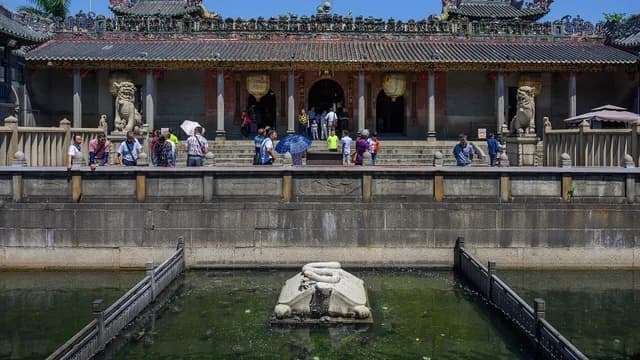
Clan architecture and temple space make Lingnan craft traditions tangible in Guangzhou and Foshan. Image credits.
Route 4: Jingdezhen and the Lower Yangtze through craft
Allow 7–10 days and choose a practical gateway rather than forcing every famous eastern city into the plan. Jingdezhen earns its place when porcelain is the subject: UNESCO's current listing describes a long handicraft porcelain production system and global influence. Pair workshop time and kiln history with one or two Lower-Yangtze bases such as Hangzhou, Suzhou, Yangzhou or Shanghai according to the transport available on your dates.
The Grand Canal offers the connective idea. UNESCO describes a vast historic waterway system linking major river basins and supporting long-distance movement of goods. That makes gardens, canal neighborhoods, museums, workshops and ordinary waterfront life part of one story rather than a random collection of photogenic towns.
Best for: ceramics, design, architecture and slower travel. Reconsider if: nobody wants workshop time or the route has fewer than seven days; the transfers will overpower the theme.
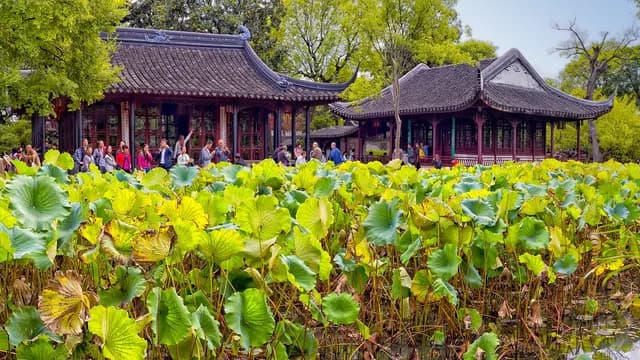
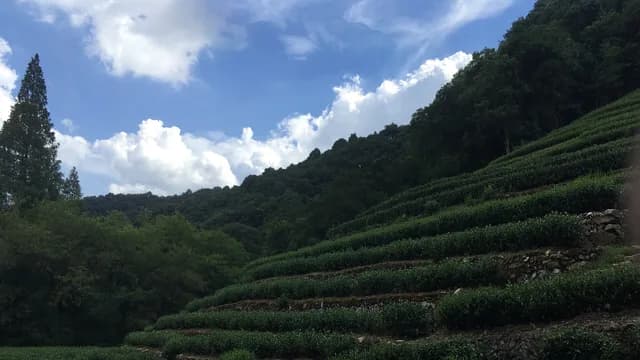
Suzhou gardens and Hangzhou tea country extend a craft-led Lower-Yangtze route beyond porcelain alone. Image credits.
Route 5: Quanzhou and Xiamen through maritime exchange
For 5–7 days, Quanzhou and Xiamen can replace the assumption that a first trip needs an imperial capital. UNESCO's Quanzhou property links docks, bridges, pagodas, religious sites and ceramic-production areas to a maritime trade hub. Give Quanzhou more than a single landmark stop, then use Xiamen for coastal neighborhoods and a softer finish.
This route is strongest for travelers curious about migration, religion, seaborne trade and southern food. Check seasonal heat, rain and typhoon conditions, and verify the operating status of the specific heritage components before building a tight day.
Build the route in four steps
- Write one sentence beginning, 'We are going to China to understand…' If the answer contains six unrelated themes, narrow it.
- Choose two main bases and no more than one demanding side-trip cluster for a 7–9 day journey.
- Put the longest or most failure-sensitive transfer on paper with station/airport names and door-to-door time.
- Add a weather or closure fallback in the same city: museum, workshop, neighborhood food route or free afternoon.
Common failure states and backup plans
Scroll sideways to see all columns
| Failure state | Why the plan breaks | Better fallback |
|---|---|---|
| Four regions in eight days | Check-in, station and airport time consume the trip | Remove the least thematic region and add a second night |
| A mountain day in unsafe weather | Scenic access, visibility or transport can change | Keep a city museum, craft session or food route ready |
| One sold-out train breaks every hotel | The route has no slack | Hold flexible rooms and identify a later train or different gateway |
| A heritage site closes or requires a new reservation | Old blogs were treated as operating rules | Recheck official notices and keep another site in the same theme |
| Children or older travelers tire early | Daily walking and transfers were hidden | Use a private vehicle selectively and protect an unstructured afternoon |
| 'Hidden gem' becomes another photo stop | The route changes names but not behavior | Book time with context: workshop, local guide, museum or neighborhood walk |
What to recheck before committing
Check entry rules for your nationality, exact transport, weather, attraction reservations, hotel passport acceptance and the group's walking tolerance. A route is executable only when those pieces work together. The alternatives above are decision frameworks, not fixed departures or a promise that every component will be available.
FAQ
Frequently asked questions
Is Beijing–Xi'an–Shanghai a bad first China itinerary?
No. It is strong when those cities match your interests and the pace is humane. It becomes weak when it is chosen by default or compressed into constant transfers.
How many bases should I use in a 10-day China trip?
Usually two or three well-connected bases are more resilient than four or five quick stops, especially when mountain areas or flights are involved.
Which alternative works best for food and craft?
Guangzhou–Foshan–Kaiping is the strongest food-and-Lingnan route; Jingdezhen with one or two Lower-Yangtze bases is stronger for porcelain and design.
Sources
- UNESCO World Heritage Centre — Dazu Rock Carvings
- UNESCO World Heritage Centre — South China Karst
- UNESCO World Heritage Centre — Wulingyuan Scenic and Historic Interest Area
- UNESCO World Heritage Centre — Historic Monuments of Dengfeng
- UNESCO World Heritage Centre — Longmen Grottoes
- UNESCO World Heritage Centre — Kaiping Diaolou and Villages
- UNESCO World Heritage Centre — Jingdezhen Handicraft Porcelain Industry Sites
- UNESCO World Heritage Centre — The Grand Canal
- UNESCO World Heritage Centre — Quanzhou
Test the whole route
Is your alternative itinerary actually executable?
Share your dates, interests, mobility, arrival city and non-negotiable stops. We will test the transfer logic and remove the rushed parts.
Check whether my route works