Last reviewed
Background
Dali’s strongest story lies between mountain, lake and living Bai traditions.
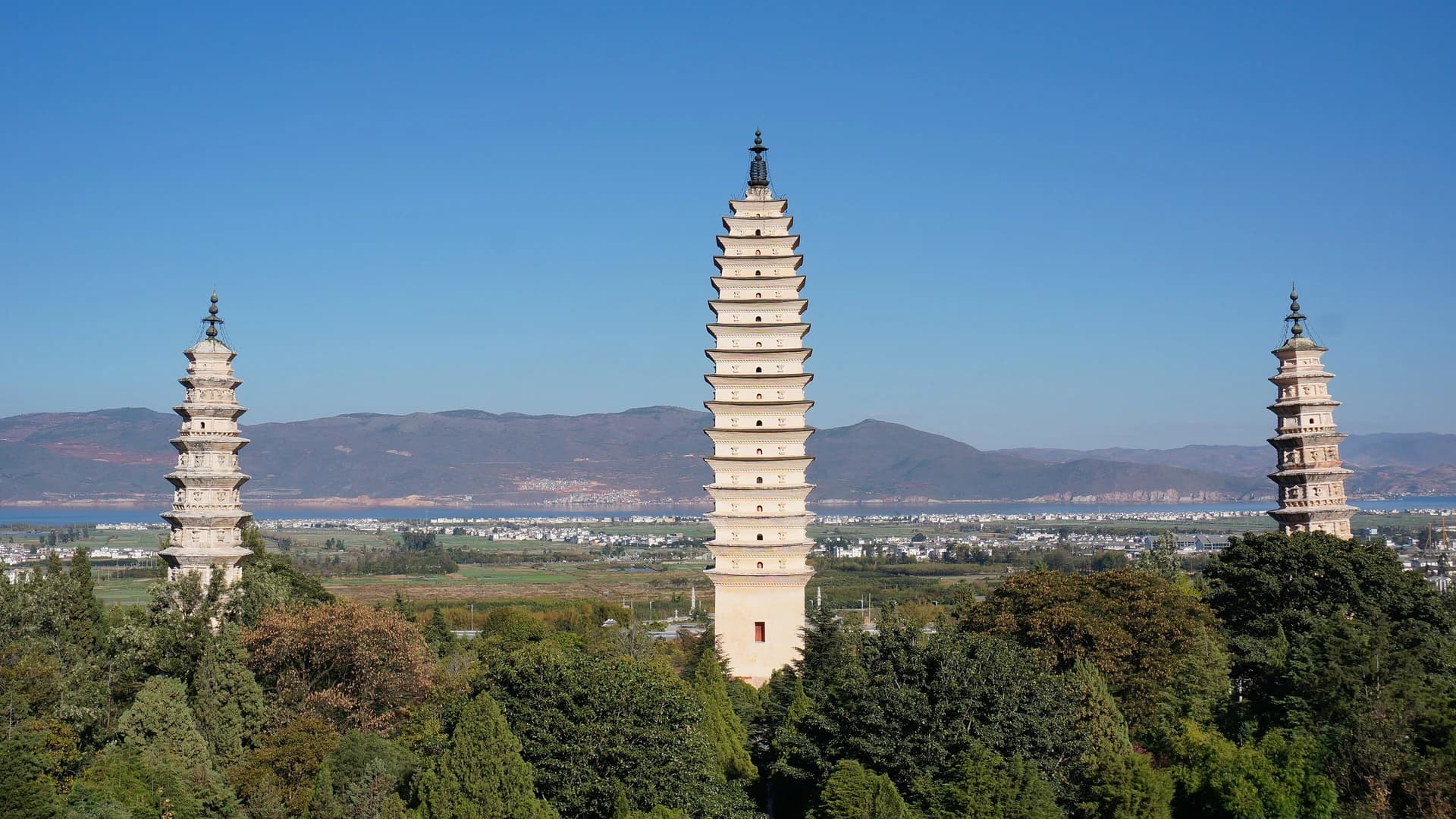
Dali lies between the Cangshan range and Erhai Lake in western Yunnan. The old town’s street grid, the Three Pagodas and the wider lake basin reflect centuries of regional history, while the open landscape explains why visits naturally alternate between walking, cycling and mountain views.
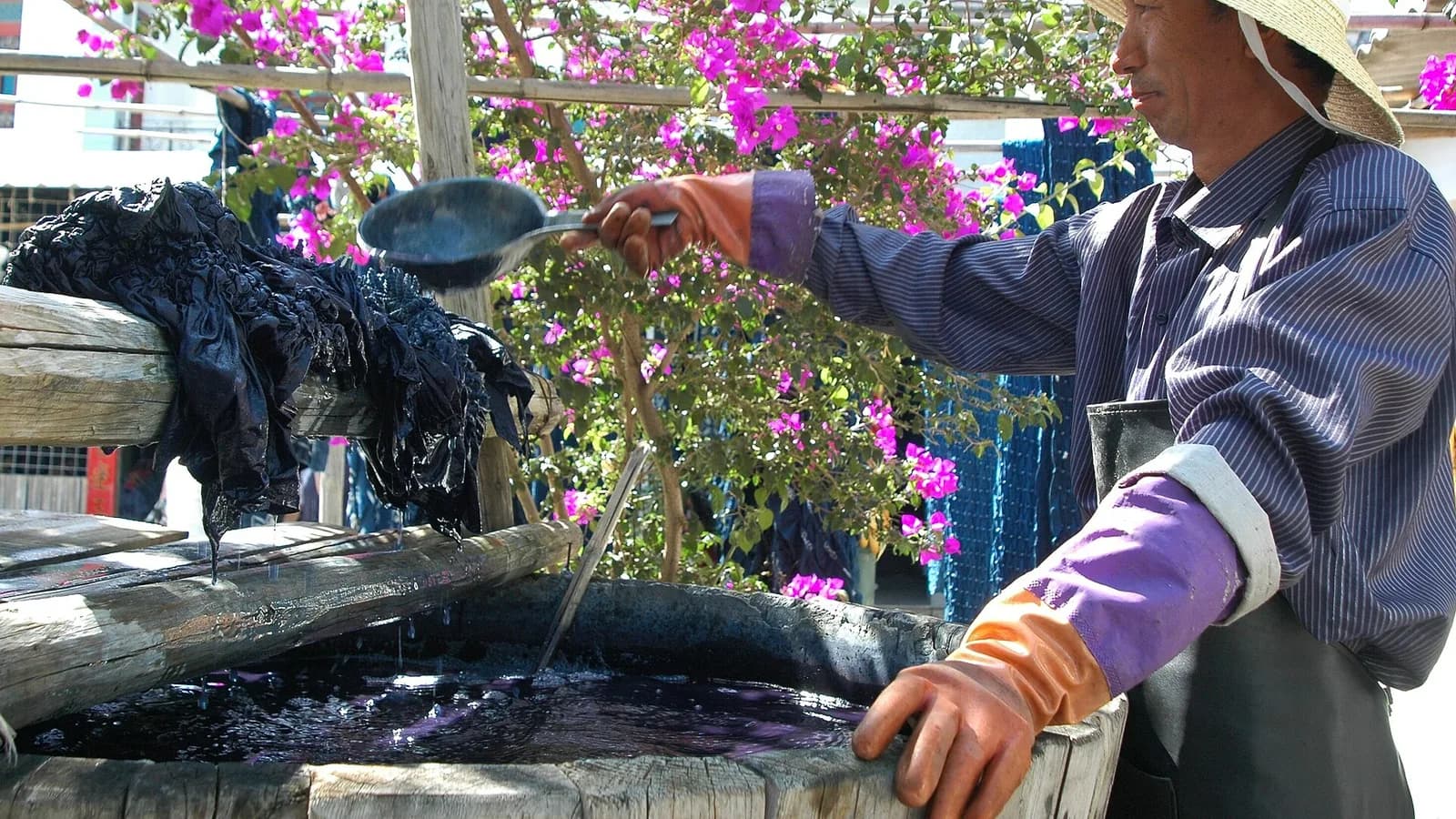
Bai culture is central to the destination rather than decorative context. Village architecture, food, three-course tea and the indigo tie-dye tradition around Zhoucheng and Xizhou give a more grounded visit than staying only in Dali Old Town’s commercial lanes.
The Erhai basin was the political heart of the Nanzhao kingdom and, from 937, the Dali Kingdom. Buddhist monuments, old settlement patterns and links to the southern Silk Road make the prefecture more than a scenic lake stop; its historic importance connected southwest China with wider Asian trade and cultural networks.
Many Bai communities maintain benzhu traditions centered on a village guardian associated with a historical figure, local hero, ancestor or natural force. Temples and festivals belong to living communities, so visitors should treat them as active cultural and religious spaces rather than staged attractions.
Recommended itineraries
Recommended itineraries
Two days cover old-town and lakeside essentials; a third day makes room for Cangshan or Bai village craft without rushing.
Dali essentials
A first route connecting the old town, major historic sites and one focused section of Erhai.
- Day 1 · Walk Dali Old Town, visit the Three Pagodas and spend the late afternoon along a manageable lakeside route.
- Day 2 · Choose Cangshan for a mountain day, or follow the western shore toward Xizhou and Zhoucheng for Bai architecture and craft.
Mountain, lake and Bai villages
A better-balanced stay that gives each of Dali’s three defining landscapes its own time.
- Day 1 · Explore Dali Old Town and the Three Pagodas, with a simple local dinner rather than a long transfer.
- Day 2 · Spend the day around Cangshan, choosing the current cableway and walking route according to weather and energy.
- Day 3 · Visit Xizhou and a responsible tie-dye workshop in Zhoucheng, then continue along only one section of Erhai before returning.
Attractions & practical tips
What to see—and how to approach it.
Dali Old Town
大理古城
A historic walled-town grid below Cangshan, mixing gates, courtyards, water channels and everyday streets with a busy visitor economy.
Practical tips
- Explore early or turn into residential side streets to understand the town beyond its busiest commercial axis.
- Remember that homes and schools remain part of the old town; keep noise down and respect private courtyards.
Erhai Lake
洱海
A long highland lake defining Dali’s eastern horizon, with wetlands, villages and changing views of Cangshan along its shores.
Practical tips
- Choose one shore section instead of trying to complete the entire lake in a short visit.
- Use designated roads and paths; traffic, wind and distance make an improvised full-lake cycle unsuitable for many visitors.
Cangshan
苍山
The mountain range west of Dali rises sharply above the old town, with forest, streams and high viewpoints across the Erhai basin.
Practical tips
- Stay on maintained scenic routes and do not follow unofficial paths into the high mountains.
- Confirm current cableway operations and weather before setting out; conditions change quickly with elevation.
Three Pagodas of Chongsheng Temple
崇圣寺三塔
A landmark ensemble of one large and two smaller pagodas that anchors Dali’s Buddhist and Nanzhao-era historical landscape.
Practical tips
- Allow time for the wider temple axis and mountain-lake views rather than photographing only the three towers.
- Combine the site with Dali Old Town because they sit on the same side of the basin.
Xizhou
喜洲
A Bai town north of Dali known for courtyard architecture, local food and a stronger sense of the lake basin’s settled history.
Practical tips
- Look beyond a single photogenic façade and notice how courtyards, lanes and fields connect.
- Ask before entering working courtyards or photographing residents.
Zhoucheng tie-dye workshops
周城扎染
Bai makers use tying, stitching and indigo dye to create resist patterns whose process matters as much as the finished cloth.
Practical tips
- Choose a workshop that explains the makers, materials and production steps instead of offering only a quick souvenir photo.
- Allow indigo to dry and protect light-colored belongings when handling a newly dyed piece.
Shuanglang
双廊
A lakeside town on Erhai’s northeast shore, Shuanglang combines close water views, village lanes and access to Nanzhao Folk Island with a busy visitor economy.
Practical tips
- Treat Shuanglang as a focused half- or full-day stop instead of adding it casually to an already full western-shore itinerary.
- Confirm current boat and waterfront access, and respect residential lanes and shoreline protection areas.
Butterfly Spring
蝴蝶泉
A clear spring below Cangshan’s Yunong Peak, the site is closely associated with Bai cultural memory and the film Five Golden Flowers.
Practical tips
- Combine it with Xizhou or Zhoucheng on the northern side of the basin rather than making a separate cross-lake trip.
- Butterfly activity is seasonal and never guaranteed; visit for the spring, landscape and cultural context rather than a promised spectacle.
Jizu Mountain
鸡足山
A major Buddhist pilgrimage mountain in Binchuan County, Jizu Mountain brings together temple compounds, forested slopes and high viewpoints well beyond the immediate Erhai basin.
Practical tips
- Allow a full day or an overnight stay; it is not a quick extension to an Erhai loop.
- Check current scenic transport, cableway and weather notices, dress respectfully and keep noise low around active religious spaces.
Weishan Ancient City and Weibao Mountain
巍山古城与巍宝山
South of Dali, Weishan preserves a historic town associated with Nanzhao’s origins, while nearby Weibao Mountain is a wooded sacred landscape with a network of historic halls and temples.
Practical tips
- Give the old town and mountain a full day, or stay overnight if you want time for local streets and food rather than only the main monuments.
- The mountain involves sustained walking and elevation; confirm current opening and fire-safety notices before leaving Dali.
Food & dining
Eat with a little local context.
Dali’s food draws on Bai traditions, lake-country ingredients and Yunnan rice staples. Try a few carefully chosen dishes rather than treating the old town’s busiest street as a complete food survey.
Grilled rushan cheese
烤乳扇
Thin sheets of Bai cow’s-milk cheese are dried, then grilled until fragrant and lightly crisp.
Try it this way: Try one plain or with only a little sweet filling first so the tangy dairy flavor remains clear.
Bai three-course tea
白族三道茶
A ceremonial sequence of bitter, sweet and lingering-flavor teas expresses a Bai approach to hospitality and life stages.
Try it this way: Choose a setting that explains the sequence and cultural context rather than treating it as a rushed stage show.
Cold chicken rice noodles
凉鸡米线
Cool rice noodles are dressed with shredded chicken, aromatics and a bright sweet-sour-savory sauce.
Try it this way: Ask for chilli separately if you want to taste the dressing before increasing the heat.
Roasted erkuai
烧饵块
A pressed rice cake is warmed over a grill and folded around savory or sweet fillings.
Try it this way: Eat it immediately while the outside is warm and the center remains chewy.
Xizhou baba
喜洲粑粑
A layered wheat pastry from Xizhou is baked until crisp outside, with either a savory scallion-and-meat filling or a sweet rose-flavored version.
Try it this way: Buy one freshly baked in Xizhou and share it while warm; the sweet version is rich.
Nuodeng ham
诺邓火腿
Salt-cured pork from Nuodeng in Yunlong County develops a concentrated savory aroma through the village’s traditional curing process.
Try it this way: Order it as part of a cooked dish or tasting plate and ask about the producer; quality and salt intensity vary.
Midu juanti
弥渡卷蹄
Midu’s rolled pork specialty is seasoned with spices and red rice, then cured and cooked for a firm texture and gently sour, aromatic flavor.
Try it this way: Try a small sliced portion first; it is usually served as a cold dish and has a distinctive cured taste.
Dali casserole fish
大理砂锅鱼
Fish is simmered in a clay casserole with tofu, vegetables and other savory ingredients, creating a substantial shared dish associated with Bai hospitality.
Try it this way: Ask what fish is being used and choose a reputable restaurant; avoid any protected wild species or unclear sourcing.
FAQ
Questions worth answering before you go.
How many days do I need in Dali?
Two days cover the old town, Three Pagodas and one lake or mountain outing. Three days are better if you want both Cangshan and Bai villages without reducing each to a brief stop.
Are Dali Old Town and modern Dali the same place?
They are different urban areas within Dali City. Xiaguan is the modern transport and commercial center; Dali Old Town lies farther north below Cangshan. Check the exact location before booking accommodation or meeting a driver.
Should I cycle all the way around Erhai?
Only if you have verified the current route, distance, weather and traffic conditions and are prepared for a full endurance day. Most visitors get more value from one carefully chosen shore section.
Can I visit Cangshan in any weather?
No. Cloud, wind, rain and cableway operations can change the safe and useful route. Check current notices, carry layers and turn back rather than leaving maintained paths when visibility deteriorates.
When is the best time to visit Dali?
Spring and autumn usually offer the easiest balance for town, lake and village visits. Summer is greener but wetter, while winter is often dry, sunny and windy. Conditions change with elevation, so check the local forecast separately before a Cangshan or Jizu Mountain day.
Can I add Jizu Mountain or Weishan to a short Dali stay?
Not comfortably to a two-day first visit. Both sit beyond the central old-town–Erhai area and each deserves a dedicated long day; an overnight stay is better if you want to explore slowly. Choose one only after checking current transport and opening notices.