Last reviewed
Background
Eastern Tibet’s river valleys bring forest, farmland and immense peaks into the same frame.
Nyingchi extends across the lower-elevation valleys of the Yarlung Tsangpo and its tributaries, with dense forest, pasture, farms, lakes and glaciers set below some of the Himalaya’s greatest vertical relief. Bomi and Lulang give the overland approach a greener character than the open plateau farther west.
The region is not an empty scenic corridor: Tibetan and other local communities live and work through its valleys, and pilgrimage, agriculture and road travel share the landscape. Visit through approved routes, managed sites and consent-based encounters rather than repeating the source guide’s outdated language of danger and remoteness.
Nyingchi’s exceptional variety comes from sharp elevation changes: warmer, wetter lower valleys rise quickly through farmland and forest toward alpine terrain, snow peaks and glaciers. That vertical range shapes both biodiversity and travel conditions, so weather in one valley does not predict conditions on a pass or at a distant scenic area.
Archaeological evidence places settled communities in the Niyang River area thousands of years ago, while the ancient Gongbo region developed its own historical records and traditions. Today Nyingchi is home to Tibetan, Monba, Lhoba and other communities; use museums, interpreted heritage sites and locally hosted experiences to learn without reducing living cultures to scenery.
Recommended itineraries
Recommended itineraries
Use Nyingchi as a multi-day region, not one continuous photo stop between Ranwu and Lhasa.
Bomi, glacier and Lulang
A measured overland route through the forested eastern corridor with time for one glacier and one mountain-viewing landscape.
- Day 1 · Travel from Ranwu toward Bomi and visit Midui Glacier only if the approved route, weather and managed access allow.
- Day 2 · Explore one Bomi valley landscape at an easy pace, then continue toward Lulang without using obsolete descriptions of the former Tongmai road.
- Day 3 · Walk a managed Lulang area, try stone-pot chicken and cross toward Nyingchi with a weather-dependent Namcha Barwa viewpoint.
Basongcuo and the great river landscapes
A second Nyingchi route that separates the lake and grand-canyon areas instead of forcing both into a single transfer day.
- Day 1 · Follow the approved plan to Basongcuo and spend the night nearby or return only if the transfer remains within daylight.
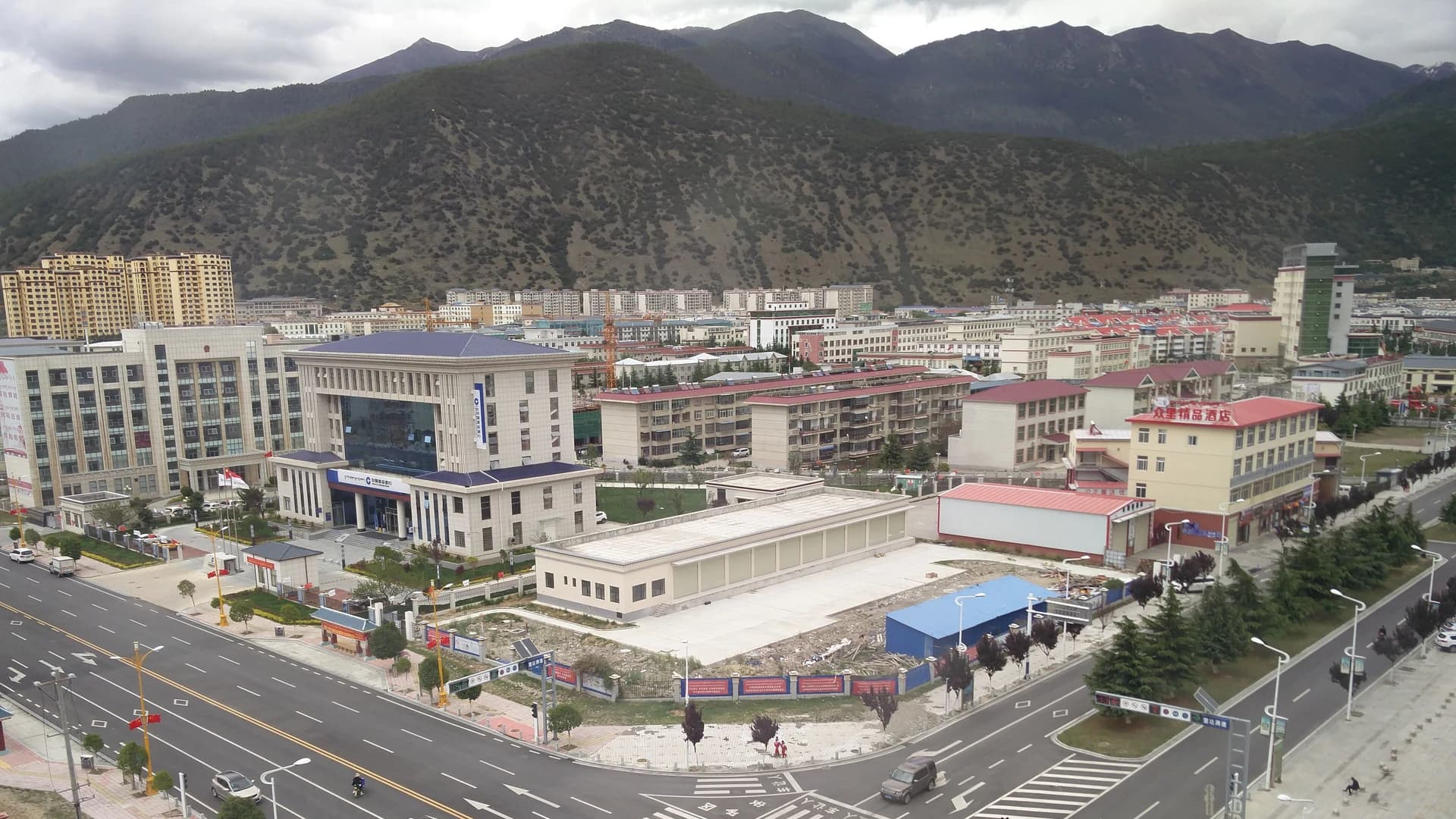
- Day 2 · Explore the Niyang River valley and Nyingchi’s urban base at a low-intensity pace.
- Day 3 · Make a dedicated licensed visit toward the Yarlung Tsangpo Grand Canyon, accepting that cloud can hide Namcha Barwa.
Attractions & practical tips
What to see—and how to approach it.
Midui Glacier
米堆冰川
A glacier landscape reached from the G318 corridor near Bomi, where ice descends toward forest and inhabited valley terrain.
Practical tips
- Use the managed route and current local transport; old walking times and informal village access may no longer apply.
- Stay behind barriers and away from ice, meltwater channels and unstable moraine.
Bomi valleys
波密河谷
Bomi’s forested valleys frame farms, the Parlung Tsangpo and glaciated mountains along the eastern approach.
Practical tips
- Choose a designated viewpoint or guided village visit rather than stopping randomly on the highway.
- Ask before entering fields, courtyards or photographing residents.
Lulang
鲁朗
A high valley of forest, meadow and settlement east of Nyingchi, often used as a scenic and dining stop on G318.
Practical tips
- Use managed paths and viewpoints, and avoid presenting working pasture as an untouched wilderness.
- Cloud and rain are part of the landscape; carry waterproof layers and do not chase views by stopping unsafely.
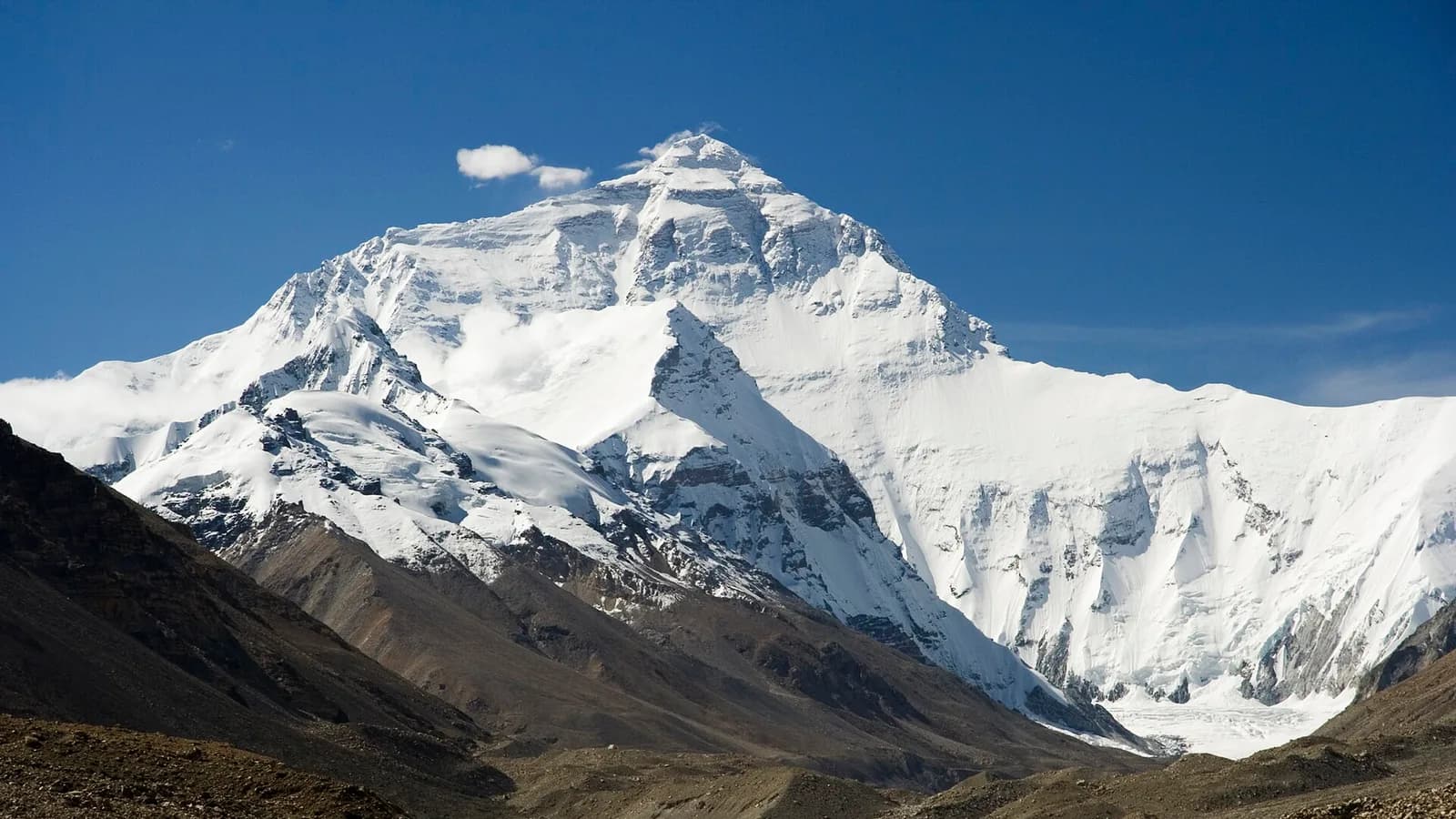
Namcha Barwa
南迦巴瓦峰
The great Himalayan peak rises above the Yarlung Tsangpo bend, though cloud frequently conceals it from roadside and canyon viewpoints.
Practical tips
- Treat a clear view as weather-dependent rather than guaranteed and keep the itinerary worthwhile even if the summit remains hidden.
- Use authorized viewpoints and respect sacred associations; drone and off-route access may be restricted.
Basongcuo
巴松措
A forest-edged highland lake with islands, villages and religious sites, reached north of the main Nyingchi–Lhasa corridor.
Practical tips
- Give the lake a dedicated half or full day and confirm the current shuttle and village-access arrangement.
- Use authorized boats only and avoid shore or water activities during strong wind, storms or poor visibility.
Yarlung Tsangpo Grand Canyon
雅鲁藏布大峡谷
A vast river gorge curving around the Namcha Barwa massif, combining inhabited valleys with extreme mountain relief.
Practical tips
- Visit through the approved scenic route and do not attempt the source’s unverified trekking or river access.
- Distances inside the region are deceptive; choose one canyon sector and keep a daylight return buffer.
Niyang River
尼洋河
A major tributary landscape around Nyingchi, with broad gravel bars, wetlands, farmland and changing blue-green water.
Practical tips
- Use established riverfront or wetland viewpoints and do not drive onto gravel bars.
- Keep distance from nesting birds, livestock and private agricultural land.
Gala Peach Blossom Village
嘎拉桃花村
A working village near Bayi where mature wild peach trees flower against fields and mountains, and the managed visitor area helps channel the intense spring blossom season into local community income.
Practical tips
- Flowering dates shift with weather, so check the current seasonal update instead of planning around an old festival calendar.
- Stay on public paths, keep drones and tripods out of residents’ way, and ask before photographing people, homes or farm work.
Kading Valley
卡定沟
A compact forested gorge east of Bayi, with a managed path below steep rock walls and a tall waterfall that makes it a practical half-day stop rather than a remote expedition.
Practical tips
- Use the maintained walkway and keep clear of wet cliff edges, falling ice, loose rock and any temporarily closed section.
- Treat shapes interpreted in the rock as local stories, not literal geological facts, and follow site guidance in religiously meaningful areas.
World Cypress King Park
世界柏树王园林
A protected grove near Bayi centered on ancient Yarlung Tsangpo cypress trees, combining a short boardwalk visit with conservation and local sacred-landscape context.
Practical tips
- Remain on the boardwalk and never climb, touch exposed roots or step inside protective barriers; concentrated foot traffic can compact soil around the old trees.
- Allow a quiet hour and combine the grove with another nearby Bayi stop instead of rushing onward to a distant region.
Food & dining
Eat with a little local context.
Nyingchi’s table reflects Tibetan staples, forest produce and the wetter eastern valleys. Choose ordinary farmed ingredients, ask what is in mixed mushroom dishes and avoid wildlife or medicinal claims.
Lulang stone-pot chicken
鲁朗石锅鸡
Chicken and local mushrooms simmer slowly in a heavy stone vessel, producing a warming communal broth associated with Lulang.
Try it this way: Confirm the size, ingredients and total price before ordering, and share one pot rather than accepting an oversized tourist-group portion.
Local grain drinks
本地谷物酒饮
Barley, maize and other local grains appear in regional fermented drinks offered at some meals and community gatherings.
Try it this way: Ask what is being served, drink moderately at altitude and never treat hospitality as an obligation to finish alcohol.
Matsutake and seasonal mushrooms
松茸与时令菌菇
Summer rains bring matsutake and other forest mushrooms into Nyingchi kitchens, where they may be stir-fried, grilled or added to broths and stone-pot dishes.
Try it this way: Order from a licensed kitchen, ask the staff to identify and fully cook every mushroom, and never forage or eat a wild specimen yourself.
Butter tea
酥油茶
Tea churned with butter and salt is a warming Tibetan drink served in teahouses and with some local meals.
Try it this way: Start with a small cup if the rich, salty flavor is new to you, and accept or decline refills politely.
Tibetan noodles
藏面
A straightforward bowl of wheat noodles in a light meat broth, commonly paired with tea for breakfast or a simple meal.
Try it this way: Ask whether the broth contains meat and order a vegetable alternative when dietary requirements matter.
Tibetan pork
藏香猪肉
Locally raised pork appears roasted, stir-fried or simmered in eastern Tibetan meals, with preparation varying by restaurant and household.
Try it this way: Choose a licensed restaurant, request the meat fully cooked and ignore the source PDF’s unsupported health and animal-diet claims.
FAQ
Questions worth answering before you go.
Do international visitors need an approved Nyingchi itinerary?
Yes, plan through a licensed operator and confirm the current route and documentation before travel. Approval and access can vary by area, so do not add side valleys or border-adjacent destinations informally.
How many days are useful in Nyingchi?
Four to six days lets you choose either Bomi and Lulang or Basongcuo and the canyon without spending every day in a vehicle. Combining all areas requires more time.
Will I definitely see Namcha Barwa?
No. Cloud frequently obscures the peak, and road or viewpoint access can also change. Build the day around the river, forest and community landscape rather than a guaranteed summit photograph.
Is the old guide’s description of the Tongmai road still accurate?
No. It describes a much older road situation and should not be repeated as current guidance. Use live transport-authority notices for construction, closures and controlled passage anywhere on G318.
Is Nyingchi free of altitude risk because its valleys are greener?
No. Sleeping elevations and day routes vary, and passes or viewpoints can be much higher than the valley floor. Keep gradual acclimatization and symptom awareness in the plan.
When is the best time to visit Nyingchi?
Choose by priority rather than expecting one perfect season: spring for blossom landscapes, summer for lush valleys but more rain, autumn for clearer color and winter for a quieter trip. Confirm the current road, scenic-area and weather situation because conditions vary sharply across this large prefecture.
Can I plan Nyingchi’s peach blossoms around a fixed date?
No. Flowering shifts with elevation and annual weather, and festival dates are not a bloom guarantee. Check the current city or district update shortly before travel and keep Gala, the Niyang River and other spring stops flexible.
Can I follow the PDF’s old independent trek into Motuo?
No. The six-day route, informal shortcuts and permit advice are obsolete. Motuo now restricts outdoor activity to approved or open routes with current registration, guide and safety requirements; undeveloped areas are prohibited. Use the county’s latest notice and your licensed operator, and omit Motuo entirely if approval or conditions are unclear.
How should I travel between Nyingchi’s scenic areas?
For international visitors, build the transfers into the approved itinerary with a licensed operator. Nyingchi’s main areas are far apart, so use arranged road transport or a current authorized scenic shuttle and never rely on the PDF’s old buses, vehicle hires, hitchhiking or drive times.
What should I pack for a regular Nyingchi sightseeing trip?
Bring layered clothing, waterproof outerwear, sun protection and shoes with grip, even if the valley forecast looks mild. A managed sightseeing trip does not require the PDF’s expedition checklist. Discuss personal medication and altitude concerns with a qualified clinician instead of relying on the guide’s old drug claims.