Last reviewed
Background
Tibet’s capital is both a contemporary city and one of Asia’s great living pilgrimage centers.
Lhasa sits high in the Lhasa River valley, where government, commerce and modern neighborhoods surround a historic core shaped by Tibetan Buddhist pilgrimage. Around Jokhang Temple, worshippers, residents and visitors share Barkhor’s streets; this is active religious space, not a preserved stage set.
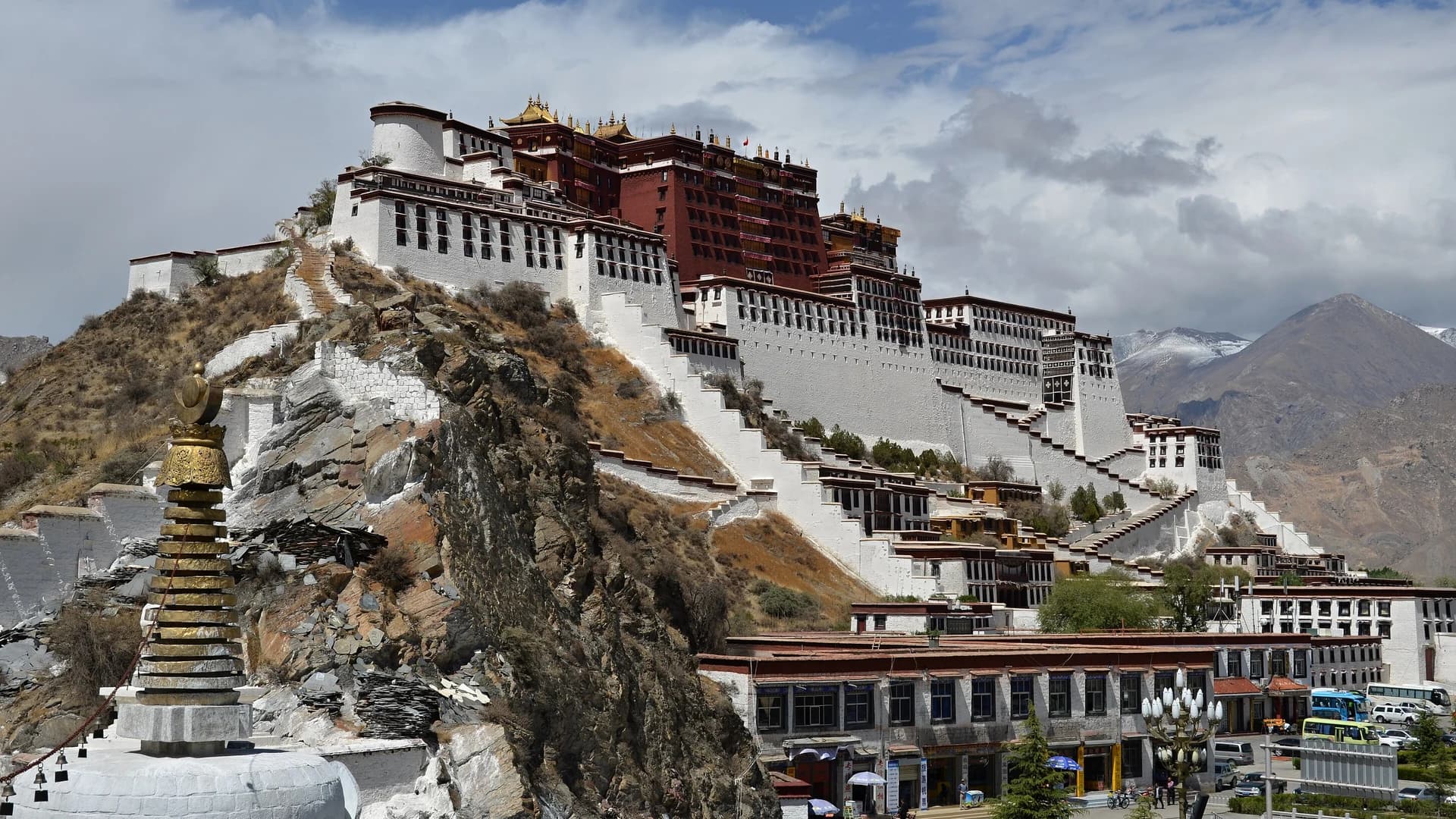
The Potala Palace, Jokhang Temple and Norbulingka form Lhasa’s UNESCO-listed historic ensemble, representing palace, temple and garden traditions across the city. Monasteries such as Sera and Drepung extend the story into large institutions of study, ritual and community life.
Recommended itineraries
Recommended itineraries
Put the quietest day first. Lhasa’s elevation makes acclimatization part of the itinerary, not time lost from sightseeing.
Lhasa heritage at an acclimatized pace
A first visit that keeps the arrival day gentle and separates major monuments instead of stacking them.
- Day 1 · Settle in, walk a short section of Barkhor with the flow of pilgrims and stop for sweet tea; avoid strenuous climbing.
- Day 2 · Visit the Potala Palace at the reserved time, rest afterward, then choose a low-key neighborhood walk.
- Day 3 · Visit Jokhang Temple and later choose either Sera or Drepung, following all current access and photography rules.
Historic Lhasa with Namtso
A city-and-lake plan that places the much higher Namtso excursion only after several nights of acclimatization.
- Day 1 · Keep arrival gentle with tea and a short old-city orientation.
- Day 2 · Visit the Potala Palace and Norbulingka, leaving generous rest between them.
- Day 3 · Explore Jokhang and Barkhor, then visit one monastery rather than racing between several.
- Day 4 · Make an approved Namtso day trip only if current access, weather and your physical condition support the higher journey.
Attractions & practical tips
What to see—and how to approach it.
Potala Palace
布达拉宫
The monumental White and Red Palaces rise on Red Mountain as the dominant element of Lhasa’s UNESCO-listed historic ensemble.
Practical tips
- Reserve through the current official channel and arrive for the assigned entry window; the source guide’s price and hours are obsolete.
- Expect stairs at altitude, move slowly and obey restrictions on photography, bags and interior circulation.
Jokhang Temple and Barkhor
大昭寺与八廓街
The seventh-century Jokhang anchors Lhasa’s old city, while Barkhor forms the surrounding pilgrimage circuit and a dense zone of shops, homes and religious life.
Practical tips
- Walk with the established circulation, do not obstruct prostrating pilgrims and ask before photographing anyone.
- Visit the temple through the current official or agency-arranged process; schedules for worshippers and visitors can differ.
Sera Monastery
色拉寺
A major Gelug monastery north of central Lhasa, known to many visitors for its formal debate tradition as well as temples and monastic courtyards.
Practical tips
- Confirm whether debate is taking place rather than treating an old timetable as guaranteed.
- Keep clear of study activity, ask before close photography and follow restrictions inside halls.
Drepung Monastery
哲蚌寺
A large hillside monastic complex west of Lhasa whose white buildings, assembly halls and colleges reflect its historic scale.
Practical tips
- Allow several slow hours and expect slopes and stairs at altitude.
- Festival access can be highly controlled; follow official crowd, route and photography instructions.
Norbulingka
罗布林卡
An eighteenth-century garden and palace complex west of the old city, included with the Potala and Jokhang in Lhasa’s World Heritage property.
Practical tips
- Use it as a gentler garden-and-architecture day after denser old-city sites.
- During major festivals, verify ticketing and crowd arrangements before setting out.
Drigung Til Monastery
直贡梯寺
A major Drikung Kagyu monastery in Maizhokunggar County, set on a steep valley slope well east of central Lhasa.
Practical tips
- Treat this as a dedicated approved day trip and confirm current road and visitor access.
- Funerary practice is private and sacred: do not seek it out, photograph it or treat it as sightseeing.
Namtso
纳木措
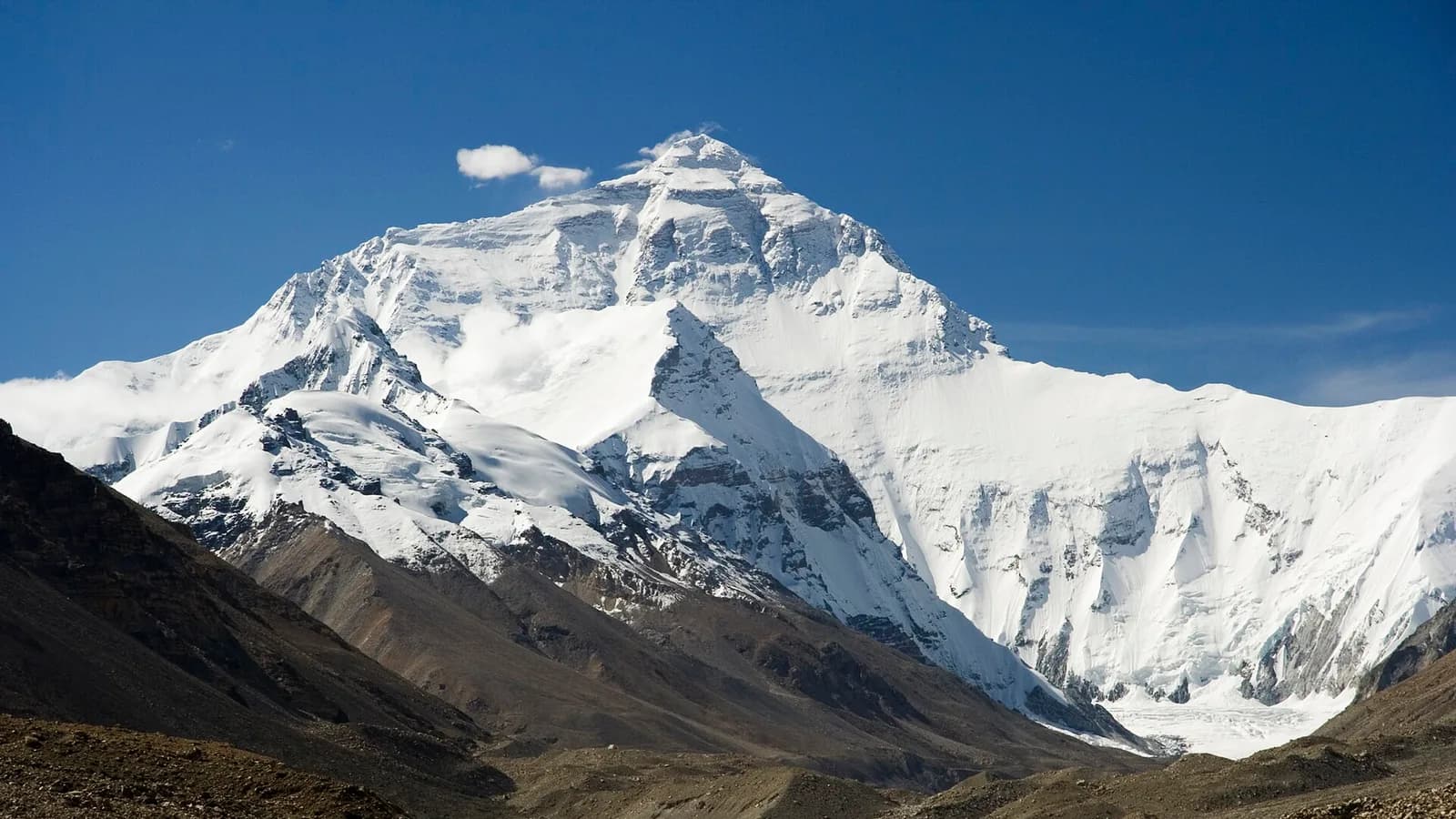
A vast sacred salt lake north of Lhasa, reached across a much higher landscape where weather and altitude can dominate the day.
Practical tips
- Schedule it only after acclimatizing in Lhasa and follow the approved route; do not assume the source’s overnight plan is currently available.
- Use managed shore access, carry serious cold-weather protection and turn back for worsening symptoms or weather.
Tibet Museum
西藏博物馆
Tibet’s principal comprehensive museum uses archaeology, historical objects, manuscripts, painting, textiles and contemporary displays to interpret the plateau across a much longer timeline than a monument-only visit can provide.
Practical tips
- Reserve through the museum’s official WeChat channel or use its current on-site process; do not rely on the PDF’s pre-renovation hours.
- Give the galleries several hours and read the current exhibition labels rather than treating a single thangka display as a complete account of Tibetan culture.
Ramoche Temple
小昭寺
A seventh-century temple north of the Jokhang, repeatedly damaged and rebuilt, that remains a living religious site within Lhasa’s dense old-city fabric.
Practical tips
- Confirm current visitor access through your licensed operator and leave worshippers space inside and around the entrance.
- Avoid repeating the old guide’s romanticized founding legends as settled fact; surviving buildings reflect multiple periods of destruction and reconstruction.
Ganden Monastery
甘丹寺
Founded by Tsongkhapa in the early fifteenth century, Ganden is a major Gelug monastery built high on the slopes of Wangbur Mountain in today’s Dagzê District.
Practical tips
- Treat Ganden as a dedicated approved excursion east of central Lhasa and confirm current road, permit and visitor arrangements before departure.
- The altitude, exposed paths and stairs require slow movement; skip any ridge walk when weather, access or symptoms are unfavorable.
Lukhang Park
宗角禄康公园
The public park behind the Potala wraps around a lake and offers one of central Lhasa’s clearest places to see everyday walking, social dancing and the palace reflected across water.
Practical tips
- Visit as shared civic space, not a staged cultural performance: observe from a respectful distance and ask before photographing dancers.
- Keep paths and water edges clear, and do not fly drones or assume boating operates without checking current park rules.
Lhasa River
拉萨河
The broad river south of the central city opens long views toward dry mountain slopes and helps explain the valley geography that made urban Lhasa possible.
Practical tips
- Choose a maintained public promenade or park section instead of wandering onto sandbars, construction zones or unprotected banks.
- Use it for a gentle walk after acclimatization, with sun and wind protection; avoid the water during high flow, storms or poor visibility.
Food & dining
Eat with a little local context.
Lhasa’s most rewarding food experiences are often simple: tea, noodles and cultured dairy served in everyday rooms around the old city.
Tibetan sweet tea
甜茶
Milky black tea sweetened for an easy, social drink, commonly served by the glass or flask in local teahouses.
Try it this way: Choose a busy teahouse, observe how payment works and share tables without turning nearby customers into photo subjects.
Barley wine
青稞酒
A fermented barley drink associated with hospitality and celebration, ranging from mild home-style versions to stronger commercial spirits.
Try it this way: Ask about strength and drink sparingly at altitude, especially during the first days.
Highland yogurt
高原酸奶
Thick, distinctly tart yogurt is sold plain or with sugar and is closely associated with Lhasa’s dairy traditions.
Try it this way: Start plain and add sugar to taste; travelers with dairy sensitivity should confirm the milk and serving size.
Tibetan noodles
藏面
Firm noodles in a clear, warming meat broth make a common breakfast or light meal, often paired with sweet tea.
Try it this way: Ask whether the broth is meat-based and request chile separately if you want to taste it before seasoning.
Butter tea
酥油茶
Brick tea churned with butter and salt produces a rich, savory drink traditionally paired with staple foods and hospitality.
Try it this way: Its flavor and fat content can surprise first-time visitors, so accept a small serving and never treat it as a cure or prevention for altitude illness.
Tsampa
糌粑
Roasted barley flour is mixed with tea, butter or other liquids and shaped by hand into a compact staple with a nutty toasted flavor.
Try it this way: Ask a host or server to demonstrate the texture and mixing method, and confirm dairy ingredients if you are lactose-sensitive.
Yak beef
牦牛肉
Yak meat appears in broths, dumplings, stir-fries and cold sliced preparations, with a lean texture and clear place in highland foodways.
Try it this way: Choose a licensed, busy kitchen and order cooked meat; avoid unsealed roadside products or claims that any dish prevents altitude illness.
FAQ
Questions worth answering before you go.
What should an international visitor confirm before booking Lhasa?
Confirm the current visa, Tibet itinerary approval, agency and route requirements before purchasing non-refundable transport. A licensed operator should explain which documents and lead times apply to your passport and route.
How should I handle Lhasa’s altitude?
Keep the first 24–48 hours light, ascend gradually where possible and avoid strenuous exercise while acclimatizing. Worsening symptoms or neurological or breathing problems require urgent qualified assessment and usually descent.
Can I buy a Potala ticket using the old guide’s information?
No. The source’s price and hours are obsolete. Use the current official reservation system and your licensed operator’s instructions; timed entry and seasonal arrangements can change.
What etiquette matters around temples and pilgrims?
Follow the local direction of circulation, remove hats where requested, keep voices low and never obstruct worship. Ask before photographing people and obey every interior photography restriction.
Should Namtso be my first excursion after landing?
Usually not. The lake journey reaches much higher elevations than Lhasa, so place it after several acclimatization nights and cancel or change it if weather, access or symptoms make the plan unwise.