
Last reviewed
Background
A megacity that still knows how to slow down.
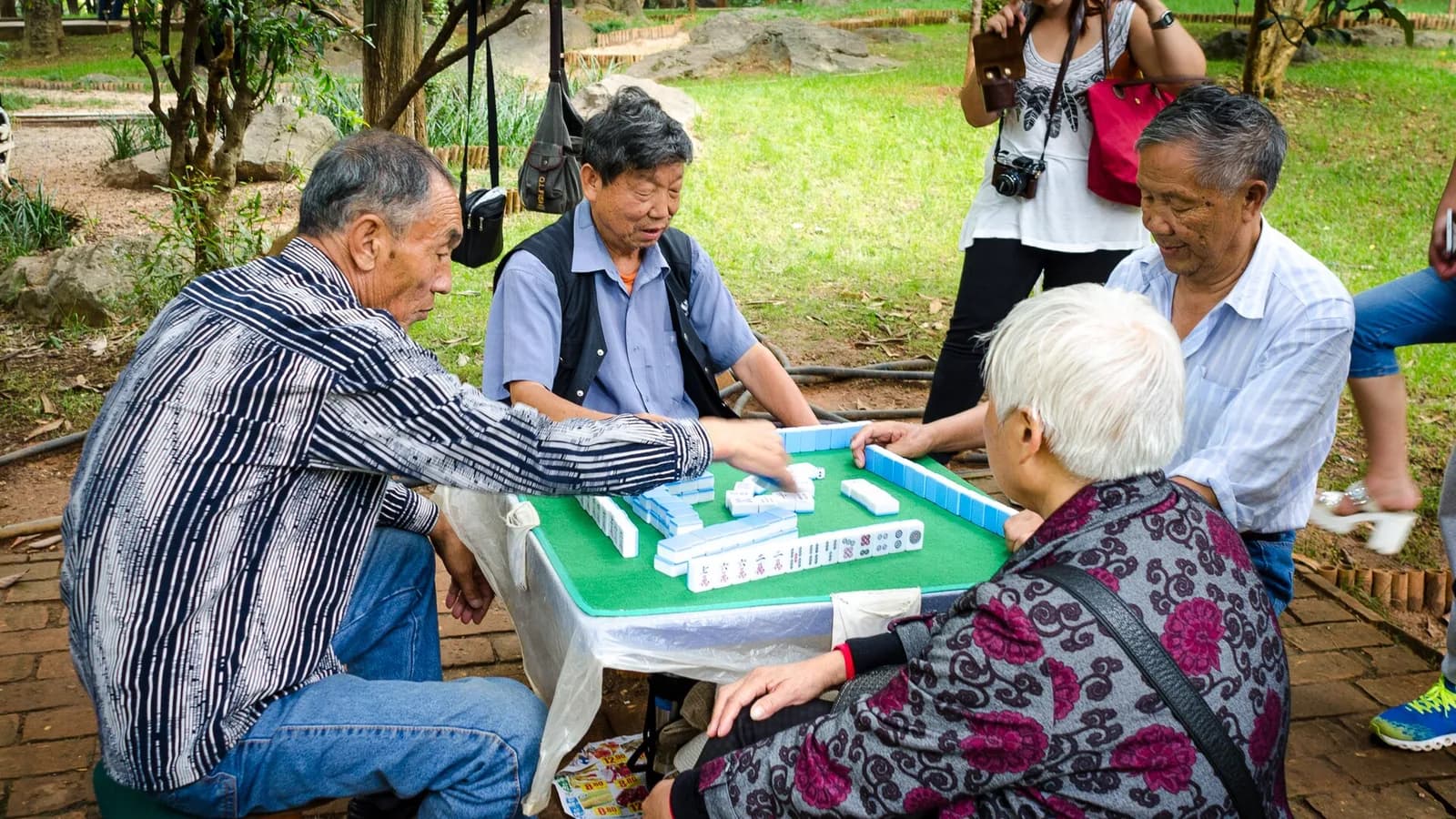
Chengdu has been the center of the Sichuan basin for more than 2,300 years, from the ancient Shu kingdom to today’s twenty-million-person metropolis. It combines serious archaeology, giant-panda conservation and a strong creative economy with a local culture organized around food, teahouses, mahjong and time spent together.
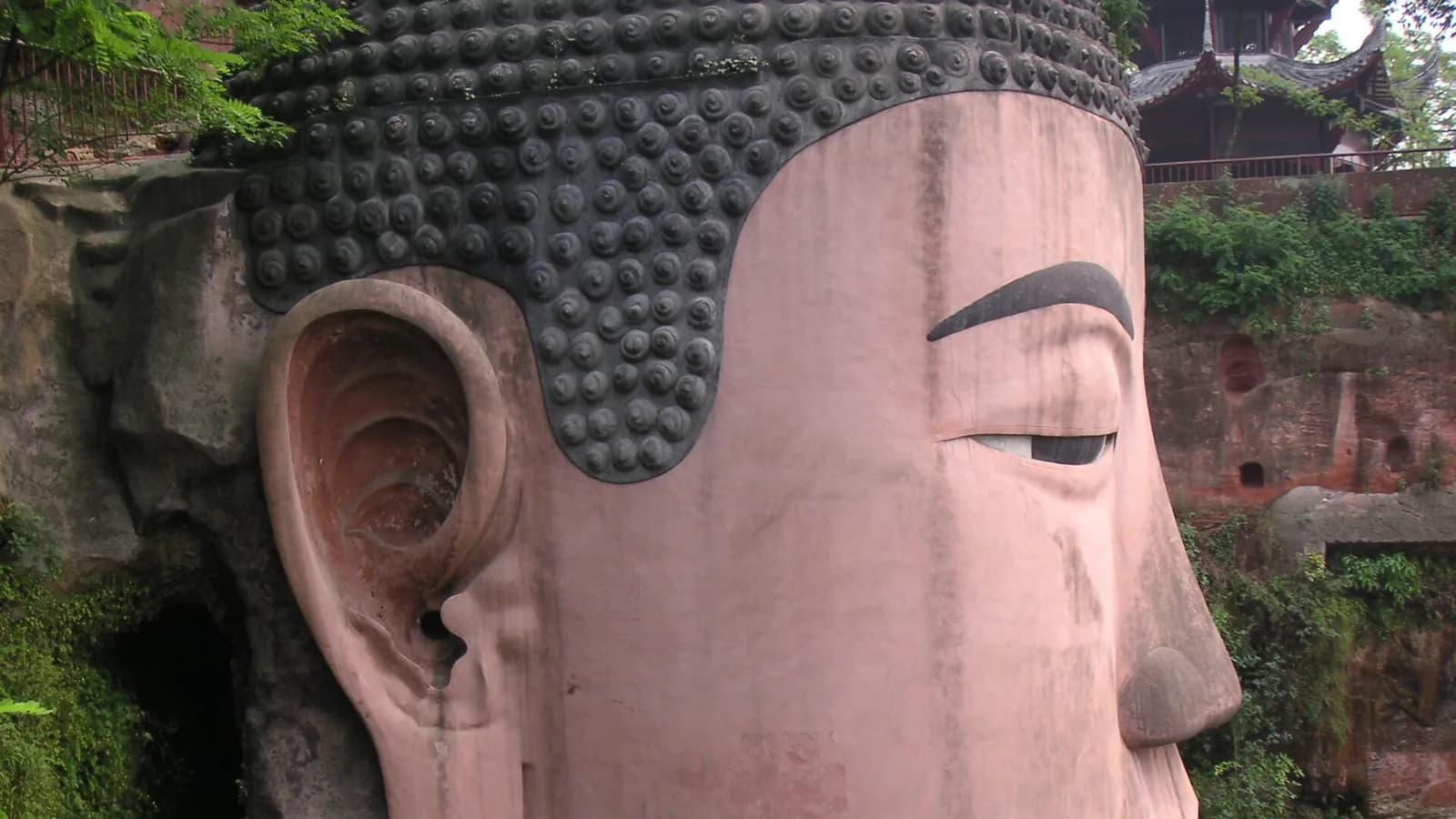
The city’s appeal goes well beyond spicy food. Sichuan cuisine layers aroma, numbing pepper, fermentation and texture; parks work as outdoor living rooms; and day trips connect Chengdu to Dujiangyan, sacred mountains and the Leshan Giant Buddha.
Recommended itineraries
Recommended itineraries
Keep the first visit compact enough to leave room for tea, meals and the ordinary street life that gives Chengdu its character.
Old Chengdu, poetry and tea
A relaxed introduction pairing Three Kingdoms history and literary heritage with old lanes, snacks and a proper teahouse pause.
- Day 1 · Visit Wuhou Shrine before continuing through neighboring Jinli, then choose a Sichuan dinner away from the busiest souvenir stretch.
- Day 2 · Start at Du Fu Thatched Cottage, walk one section of Kuanzhai Alleys, and reserve the afternoon for covered-bowl tea rather than another rushed attraction.
A gentle gateway day before western Sichuan
A low-pressure arrival day for travelers continuing toward Kangding and the highlands.
- Morning · Arrive, check in and keep the first hours flexible instead of building a transfer around obsolete station or airport details.
- Afternoon · Choose either Kuanzhai Alleys or Du Fu Thatched Cottage, then sit for tea and use the pause to confirm the next day’s licensed transport and current road conditions.
- Evening · Eat an early hotpot or a bowl of chaoshou, pack for large temperature changes and rest before the long overland journey.
Pandas, museums and everyday Chengdu
A broader city route that balances conservation, history, poetry, religious sites and unhurried public-space culture.
- Day 1 · Use the current timed-entry system for the Chengdu Research Base of Giant Panda Breeding and arrive near opening, when pandas are generally more active in cooler conditions. Spend the afternoon at Wenshu Monastery and its surrounding streets.
- Day 2 · Visit Du Fu Thatched Cottage and Sichuan Museum, then slow down for covered-bowl tea rather than crossing the city for another checklist stop.
- Day 3 · Begin at Wuhou Shrine and Jinli, then continue to Wangjiang Pavilion Park for Xue Tao, bamboo and riverfront context. Finish with a neighborhood Sichuan meal away from the busiest visitor lanes.
Dujiangyan and Mount Qingcheng
A World Heritage extension within greater Chengdu, giving the operating irrigation landscape and the Daoist mountain separate attention.
- Day 1 · Travel to Dujiangyan and follow the managed route through the diversion headworks, levees and channels. Use museum and site interpretation to understand how the system still distributes Min River water across the Chengdu Plain.
- Day 2 · Choose Mount Qingcheng's front-mountain temple route or another currently open managed path. Check the last descent, ropeway status and weather rather than combining both heritage zones into one rushed day.
Attractions & practical tips
What to see—and how to approach it.
Kuanzhai Alleys
宽窄巷子
A restored lane district built around Wide, Narrow and Well alleys, presenting a polished version of Chengdu courtyard life, food and leisure.
Practical tips
- Walk early or on a weekday, then continue into nearby residential streets so the commercial core is not your only view of old Chengdu.
- Treat advertised prices, events and opening arrangements as current-only information and verify them on the day.
Wuhou Shrine
武侯祠
This temple-and-garden complex links Zhuge Liang, Liu Bei and the wider memory of the Three Kingdoms era.
Practical tips
- Read the historical interpretation before posing with familiar characters; the site makes more sense as political memory than as a checklist of statues.
- Pair it with Jinli next door, but give the shrine itself the quieter first part of the visit.
Jinli
锦里
A compact pedestrian street beside Wuhou Shrine where snack stalls, crafts and staged historic atmosphere draw evening crowds.
Practical tips
- Use Jinli as a short atmospheric extension to Wuhou Shrine, not as the main evidence for local neighborhood life.
- Compare snack stalls before ordering and keep room for a meal in a less tourist-heavy area.
Du Fu Thatched Cottage
杜甫草堂
A garden memorial on Huanhua Stream marking the Chengdu residence associated with Tang poet Du Fu and the poems he wrote there.
Practical tips
- Allow time for the museum interpretation and gardens; the present complex is a memorial landscape rather than an untouched Tang dwelling.
- Reading one or two translated poems beforehand gives the reconstructed cottage and inscriptions far more meaning.
Chengdu Research Base of Giant Panda Breeding
成都大熊猫繁育研究基地
A conservation, breeding, research and public-education campus where visitors can observe giant pandas and other species in large planted enclosures.
Practical tips
- Use the official visitor service for the current ticket, reservation, gate and transport arrangements; the source guide's animal numbers and hours are obsolete.
- Arrive early in cooler weather, keep voices low, never use flash or tap barriers and accept that animal welfare—not a guaranteed sighting—sets the day's routine.
Wenshu Monastery
文殊院
A major Buddhist monastery in central Chengdu combines Qing-period halls, gardens, religious art, active worship and a surrounding district of tea and snack shops.
Practical tips
- Keep voices low, dress respectfully and follow restrictions on photography, incense and access during services.
- The adjacent commercial streets are separate from the monastery; allow the religious site a calm visit before treating the area as a food stop.
Sichuan Museum
四川博物院
The provincial museum introduces Sichuan's archaeology, regional arts, ceramics, sculpture, ethnic material culture and the Zhang Daqian painting collection.
Practical tips
- Check the current identity-document reservation and weekly closure on the official museum channel rather than relying on the PDF's old walk-in details.
- Choose two or three galleries instead of rushing the whole collection; pairing it with nearby Du Fu Thatched Cottage makes geographic sense.
Wangjiang Pavilion Park
望江楼公园
A bamboo-filled riverside park commemorates Tang poet Xue Tao through historic pavilions, a reconstructed well tradition and a quieter public landscape beside the Jin River.
Practical tips
- Distinguish the ticketed historic structures from the wider public park and check their current hours separately.
- Read a translation of Xue Tao before visiting so the memorial landscape is more than a decorative tea stop.
Qingyang Palace
青羊宫
This active Daoist temple complex west of the city center preserves halls, courtyards and ritual spaces associated with Chengdu's long religious history.
Practical tips
- Treat it as a place of worship first: follow posted access and photography rules and do not interrupt ritual activity.
- Pair it with nearby cultural sites, but do not confuse this urban temple with Mount Qingcheng's separate World Heritage landscape.
Dujiangyan Irrigation System
都江堰
Begun in the third century BCE, the still-operating system uses the Min River's terrain, levees and channels to control water and irrigate the Chengdu Plain without a conventional dam.
Practical tips
- Use the site's interpretation to understand Fish Mouth, Flying Sand Weir and Bottle-Neck Channel as one working system rather than isolated photo stops.
- The route involves long walking and level changes; check current entrances, internal transport and flood-season controls before setting out.
Mount Qingcheng
青城山
A forested sacred mountain near Dujiangyan holds a sequence of Daoist temples and is closely associated with the early history and continuing practice of Daoism.
Practical tips
- For a first cultural visit, use the managed front-mountain route; the rear mountain is a different landscape and should not be added automatically.
- Expect steep stone stairs. Check rain, lightning, trail, boat and ropeway notices and start early enough for a safe descent.
Food & dining
Eat with a little local context.
Chengdu food rewards variety: alternate a communal, chile-rich meal with smaller snacks so that numbing heat does not flatten every flavor.
Sichuan hotpot
四川火锅
A shared simmering pot built around fragrant chile oil, Sichuan pepper and a wide choice of vegetables, tofu and meats.
Try it this way: Ask for a divided pot or a milder broth if needed, confirm ingredients and order gradually rather than filling the table at once.
Shuangliu rabbit head
双流兔头
A hands-on Chengdu specialty braised or tossed with chile and Sichuan pepper, valued for its layered seasoning as much as the meat itself.
Try it this way: It is an acquired taste and can contain small bones; ask a local server to demonstrate how it is eaten and skip it without pressure.
Long chaoshou
龙抄手
Chengdu-style wontons with thin wrappers and tender filling, served in clear broth or dressed with red chile oil.
Try it this way: Try a small bowl as part of a snack circuit and specify whether you want clear soup, red oil or a non-spicy preparation.
Bobo chicken
钵钵鸡
Cooked chicken, vegetables and other ingredients are chilled on skewers and steeped in a seasoned bowl of chile oil, sesame and Sichuan pepper.
Try it this way: Ask how skewers are counted, confirm that all meat is fully cooked and mention sesame, peanut or poultry allergies.
Tangyou guozi
糖油果子
Small glutinous-rice balls are fried, coated in brown-sugar syrup and sesame, then served on a skewer for a crisp-chewy street snack.
Try it this way: They are hottest and best from a busy stall; let the syrup cool before biting and check sesame allergies.
San dapao
三大炮
Three portions of pounded glutinous rice are thrown onto a drum-like surface with a theatrical sound, then coated in soybean powder and brown-sugar syrup.
Try it this way: Treat the throwing as market performance rather than a separate dish, and ask about soy or peanut cross-contact.
Sweet-potato noodles with pork intestine
肥肠粉
Springy sweet-potato noodles arrive in a chile-bright pork broth with braised intestine, aromatics and optional crisp toppings.
Try it this way: Ask for less chile if needed and choose a busy shop where the offal is cleaned carefully and served thoroughly cooked.
Dan dan noodles
担担面
A small bowl of wheat noodles is mixed with preserved vegetables, minced pork, chile oil, Sichuan pepper and a concentrated savory sauce.
Try it this way: Local portions are snack-sized; ask about pork, peanuts or sesame and mix thoroughly before deciding whether to add more chile.
Zhong dumplings
钟水饺
Thin-skinned pork dumplings are dressed with red chile oil, garlic and a lightly sweetened soy-based sauce rather than served in broth.
Try it this way: Order a small plate within a snack circuit and specify a non-spicy alternative if red oil is not suitable.
FAQ
Questions worth answering before you go.
How many days should I spend in Chengdu?
Two days cover the four city sights in this guide at an unhurried pace. Add one or two days for museums, pandas or a carefully chosen day trip rather than compressing distant sites into the same day.
How should I approach Chengdu’s teahouse culture?
Order tea, settle in and observe the room’s pace. Ask before photographing people or close-up services, and remember that many park teahouses are everyday social spaces rather than performances.
Is every Chengdu dish very spicy?
No. The cuisine uses many flavor profiles, and even chile-forward dishes vary greatly. Explain your tolerance clearly, ask for a mild or non-spicy option and balance hotpot with broth, vegetables and simpler snacks.
Are Kuanzhai Alleys and Jinli authentic old neighborhoods?
Both preserve or reconstruct historic forms but operate as heavily managed visitor districts. They are useful introductions when paired with museums, temples and ordinary streets beyond the commercial core.
Can I rely on the old guide’s transport details for the Sichuan–Tibet route?
No. Stations, road controls and travel requirements change, and the original guide’s timetables and prices are obsolete. Confirm the exact vehicle, licensed operator, weather, road notices and any access requirements shortly before departure.
How should I plan a responsible panda-base visit?
Reserve through the official visitor service, check the correct gate and arrive early in cool conditions. Keep quiet, do not use flash, feed animals or knock on glass, and never expect direct contact. Pandas choose when to rest indoors, so conservation and animal care take priority over viewing.
Can I visit Dujiangyan and Mount Qingcheng in one day?
It is possible with an early start and tightly chosen routes, but two days give the working irrigation system and the mountain's Daoist temples the attention they deserve. If using one day, select only the front mountain, reserve current tickets and transport, and know the last safe descent.
Best time to visit
Autumn is easiest; grey skies are part of Chengdu.
March–May is mild and green, while October–November offers lower humidity and the most comfortable overall conditions. Summer is hot, wet and humid in the basin. Winter is rarely severe but feels damp, and many older buildings lack central heating.
Mild temperatures, blooming countryside and manageable rain, though overcast days remain common.
The driest, most comfortable window for city walks and day trips beyond the basin.
Hot and humid with frequent rain; use early panda visits and nearby mountain escapes strategically.
Cultural highlights
Spend time the Chengdu way.
The city’s defining experiences are participatory and social rather than monumental.
- 01
Open-air teahouses
Covered-bowl tea, bamboo chairs, cards, conversation and ear-cleaning practitioners turn parks into all-day community rooms.
- 02
Sichuan opera
Face-changing is one famous technique within a broader regional form that includes distinctive music, comedy, acrobatics and fire effects.
- 03
Mahjong culture
The fast Sichuan variant fills teahouses and courtyards with the sound of tiles; a coached game explains local leisure better than a staged photo.
- 04
Food as identity
Numbing-spicy flavor is only one layer of a cuisine built on preserved vegetables, aromatic oils, snack traditions and late-night eating.