Last reviewed
Background
An oasis city shaped by trade, faith, craft and movement toward the Pamirs.
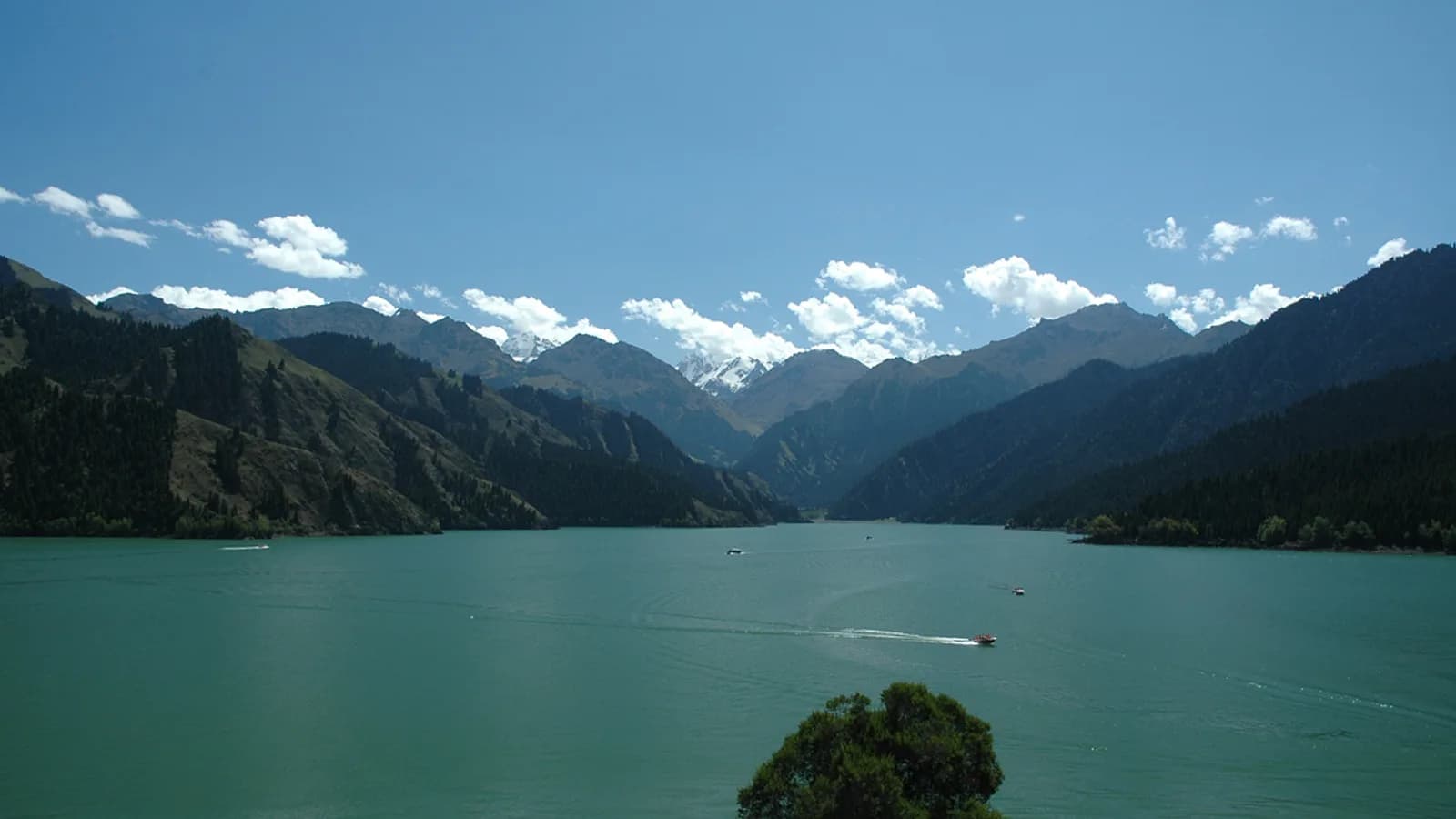
Kashgar grew where routes across the Tarim Basin met passes toward Central and South Asia. The compact historic core remains a residential, commercial and food district rather than a sealed monument, while the wider prefecture reaches from irrigated oasis towns to the high Pamir landscape around Tashkurgan.
Uyghur language, Islamic practice, foodways, music and skilled trades are part of daily Kashgar life, not a visitor performance. Xinjiang Uyghur Muqam brings song, dance, poetry and instrumental traditions together and has several regional styles. Enter residential lanes and cultural spaces with permission, and let local signs and hosts define what is public.
Recommended itineraries
Recommended itineraries
Give the living city enough time before adding the long, high-elevation road to Tashkurgan. Border documents and current access determine the Pamir portion.
Kashgar city in two days
A measured introduction to the old city, religious architecture, crafts and food without turning residential lanes into a checklist.
- Day 1 · Walk the public lanes of Kashgar Old City, pause at active workshops only where visitors are welcomed, and approach Id Kah Mosque according to current visitor signs and prayer times.
- Day 2 · Visit the Afaq Khoja Mausoleum with a critical distinction between family history and later legend, then return to the city for a slower food route and Muqam or craft interpretation from an established cultural venue.
Kashgar and Tashkurgan
A city-and-highland route that keeps the long Pamir transfer, border permissions and acclimatization separate from Kashgar sightseeing.
- Day 1 · Explore Kashgar Old City, Id Kah Mosque from permitted public areas and local craft lanes at an unhurried pace.
- Day 2 · Complete a second city day around the Afaq Khoja Mausoleum, food and cultural context while confirming the next day’s documents, road and weather.
- Day 3 · Travel to Tashkurgan using regulated transport and the permits required for your citizenship and route; do not promise a border crossing or add unapproved detours.
- Day 4 · Visit Stone City and Golden Grassland within the managed Pamir tourism area, then rest or return only with a safe daylight and weather margin.
Attractions & practical tips
What to see—and how to approach it.
Kashgar Old City
喀什古城
A dense network of lanes that remains home, workplace, market and food district as well as Kashgar’s best-known visitor area.
Practical tips
- Stay on public lanes, ask before photographing people, doorways or interiors and never treat a home as an open exhibit.
- Visit at more than one time of day and leave space for ordinary bakeries and workshops beyond staged performances.
Id Kah Mosque
艾提尕尔清真寺
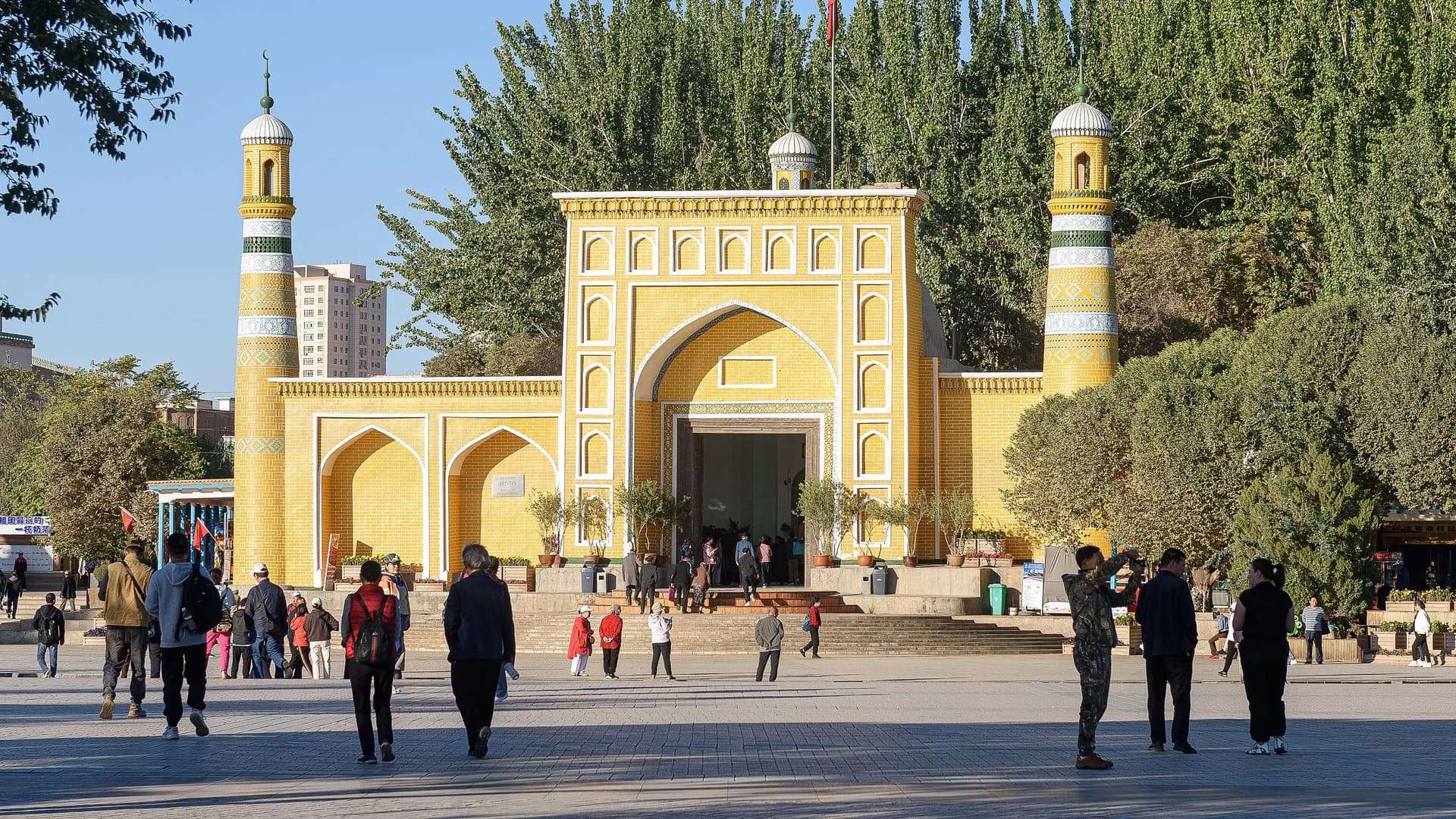
Kashgar’s prominent central mosque anchors a large public square and remains a place of worship within the old-city district.
Practical tips
- Visitor access can change and worship takes priority; follow current signs, dress modestly and accept restricted entry without argument.
- Avoid close photography of worshippers and do not block doors, ablution areas or prayer-day circulation.
Afaq Khoja Mausoleum
阿帕克霍加墓
A tiled mausoleum complex associated with the Afaq Khoja family and later popular stories about Xiangfei, or the Fragrant Concubine.
Practical tips
- Separate documented family and architectural history from the later romantic legend promoted around the wider attraction.
- Treat the burial complex respectfully, keep voices low and follow restrictions on photography and enclosed spaces.
Old City craft lanes
喀什古城手工艺街巷
Metalwork, woodwork, pottery, instruments, textiles and food production remain visible in parts of the old city, connecting tourism with working trades.
Practical tips
- Choose workshops that clearly welcome visitors, ask before filming a maker and do not interrupt paid work for a posed image.
- For purchases, ask about materials and origin rather than assuming every souvenir is locally handmade.
Uyghur Muqam cultural context
维吾尔木卡姆
Muqam integrates song, dance, poetry and varied instrumental forms, with the Twelve Muqam among the traditions associated with Kashgar and southern Xinjiang.
Practical tips
- Prefer a museum, cultural center or clearly advertised public performance over assuming an informal community gathering is open to tourists.
- Listen for differences in rhythm, poetry and instrumentation instead of reducing Muqam to a short dance photo opportunity.
Stone City and Golden Grassland
石头城与金草滩
Ruined fortifications overlook wetland and pasture beside Tashkurgan, forming the central historic and landscape pair within the managed Pamir tourism area.
Practical tips
- Use the official visitor route and interpretation; fragile walls and earthworks must not be climbed.
- The site is at high elevation and in a border county, so confirm permits, weather and opening notices before leaving Kashgar.
Dawakun Desert
达瓦昆沙漠
A desert-and-water visitor area in Yopurga County where dunes bring the Taklamakan’s edge into a managed day trip from the Kashgar oasis.
Practical tips
- Check current construction, activity and operating notices because the scenic area is undergoing upgrades.
- Use regulated activities only, avoid unsupported desert travel and carry water, sun protection and wind-resistant layers.
Food & dining
Eat with a little local context.
Kashgar food is built around bread, wheat noodles, rice, lamb, onions, carrots, yogurt and fruit. Follow halal house rules, ask before bringing outside food or alcohol into a restaurant and order shared meat dishes with realistic portion sizes.
Kashgar naan
喀什烤馕
Round breads baked against a tannur wall range from thin, crisp versions to thicker loaves flavored with sesame, onion or other toppings.
Try it this way: Buy one fresh loaf first and compare neighborhood bakeries rather than treating naan as a single standardized bread.
Baked samsa
烤包子
Crisp tannur-baked parcels hold a hot filling commonly made with lamb, onion and seasoning.
Try it this way: Let a fresh samsa cool briefly because the filling and rendered juices can be much hotter than the crust.
Polo rice
抓饭
Rice cooks with carrot, onion and lamb into a rich, filling dish that is commonly prepared in batches.
Try it this way: Try it around the main lunch period and ask about portion size before adding more meat or side dishes.
Laghman hand-pulled noodles
拉条子
Springy hand-pulled noodles are served with a vegetable and meat topping whose ingredients and spice vary by kitchen.
Try it this way: Ask what the house topping contains and request less chili if needed; this is normally a substantial full meal.
Lamb kebabs
烤羊肉串
Skewered lamb is grilled over high heat with salt, cumin and chili, producing charred edges around juicy pieces of meat and fat.
Try it this way: Order a few skewers first, confirm whether the listed price is per skewer and balance them with bread or vegetables.
Gangzi lamb
缸子肉
Lamb and broth cook in an individual metal cup for a direct, warming dish often eaten with naan.
Try it this way: Ask about bones and serving temperature, and let the broth cool before lifting the cup or eating quickly.
FAQ
Questions worth answering before you go.
How many days should I spend in Kashgar?
Allow two full days for the city’s old lanes, mosque context, mausoleum, food and crafts. Add at least two more days for Tashkurgan because the high road, documents and weather make it a separate journey rather than a quick urban day trip.
What documents do I need for Tashkurgan and other border areas?
Requirements depend on citizenship and the exact route. China’s National Immigration Administration says travelers entering designated border management areas need the relevant permit, and foreigners applying for an electronic Border Management Area Permit must do so in person. Foreign travelers may also need a travel permit for areas not open to foreigners. Confirm the route with local exit-entry officials before paying for transport.
How should I prepare for the Pamir altitude?
Tashkurgan and its surrounding attractions are much higher than Kashgar. Ascend gradually, keep the first highland day light, hydrate normally, avoid strenuous unofficial glacier or mountain routes and seek medical help if significant symptoms worsen rather than trying to push through.
How can I visit religious and residential spaces respectfully?
Dress modestly at mosques and mausoleums, follow current entry signs, avoid prayer times where requested and never photograph worshippers without explicit permission. In old-city lanes, distinguish public businesses from private homes and accept a refusal without negotiation.
Can I visit Tashkurgan as a day trip from Kashgar?
Do not plan it as a casual same-day return. The road is long, climbs substantially and can be affected by checks, weather and controlled access. An overnight in Tashkurgan creates a safer margin and enough time for Stone City and Golden Grassland without chasing an uncertain border stop.