Last reviewed
Background
A green Tianshan corridor shaped by rivers, pasture and exchange.
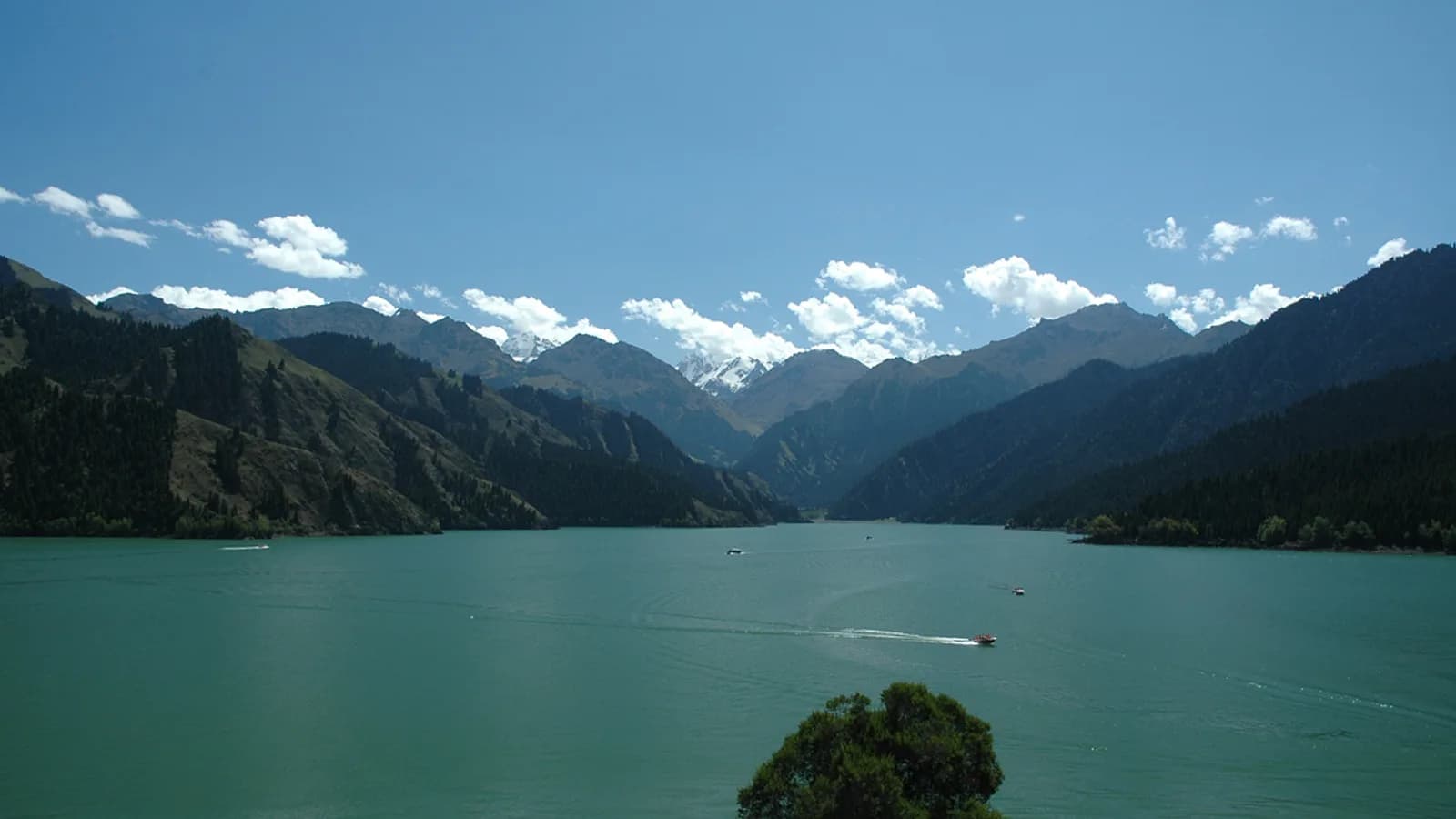
The Ili River drains a broad intermontane valley in western Xinjiang. More moisture reaches this corridor than many neighboring basins, supporting pasture, crops and bands of forest beneath the Tianshan. Yining is the practical urban base, while Nalati, Kalajun and other grasslands require separate overland journeys.
The valley has long connected Central Asian routes, frontier administration and pastoral movement. Kazakh, Uyghur, Han, Hui and other communities contribute to contemporary Ili life, but no short list captures that diversity. Visit markets, villages, memorial sites and places of worship with context, permission and respect.
Recommended itineraries
Recommended itineraries
Base the first part of the trip in Yining, then reserve full days for grassland transfers instead of stacking distant valleys into one outing.
Yining, Huocheng and Nalati
A first route combining river-valley history, seasonal agriculture and one major Tianshan grassland.
- Day 1 · Settle in Yining, walk a public riverside or neighborhood route and use local food to begin understanding the valley.
- Day 2 · Visit Huiyuan Ancient City and, if flowering conditions justify it, a regulated lavender field around Huocheng.
- Day 3 · Travel east to Nalati, keeping the transfer as the day’s main commitment.
- Day 4 · Explore one managed Nalati route before continuing or returning according to current transport.
Ili valley and grasslands
A broader journey pairing Yining’s cultural context with Guozigou and two distinct grassland landscapes.
- Day 1 · Explore Yining and the Ili River at an easy pace, asking before photographing people in residential areas.
- Day 2 · Travel through Guozigou and visit Huiyuan or Huocheng according to season and road conditions.
- Day 3 · Transfer toward Kalajun and use a managed scenic route rather than attempting informal cross-country travel.
- Day 4 · Continue across the valley toward Nalati, preserving time for rest and changing mountain weather.
- Day 5 · Spend the clearest hours on one Nalati grassland route, then leave a realistic margin for onward travel.
Attractions & practical tips
What to see—and how to approach it.
Ili River
伊犁河
The river gathers water from the Tianshan and anchors the valley’s agriculture, settlement and wider cross-border geography around Yining.
Practical tips
- Use maintained public riverfront areas and avoid unstable banks or entering fast water.
- Late light can be attractive, but confirm park access and return transport before staying after dark.
Huiyuan Ancient City
惠远古城
A historic settlement associated with Qing-era administration in the Ili valley, where surviving and reconstructed sites introduce the region’s frontier history.
Practical tips
- Use interpretation critically to distinguish surviving fabric, restoration and modern reconstruction.
- Confirm current museum and heritage-site access rather than relying on the source guide’s old schedule.
Horgos
霍尔果斯
A modern border city and trade gateway where roads, rail and customs infrastructure continue Ili’s long connection with Central Asia.
Practical tips
- Treat border facilities as controlled working areas and follow all signs, document checks and photography restrictions.
- Do not assume that a tourist visit permits crossing or access to every trade-zone area; verify current rules first.
Huocheng lavender fields
霍城薰衣草田
Commercial lavender cultivation around Huocheng creates seasonal bands of purple across the Ili valley and supports local fragrance products.
Practical tips
- Flowering time shifts with weather and harvest, so confirm current field conditions before making a special trip.
- Enter only fields that officially receive visitors and never trample or pick crops for photographs.
Nalati Grassland
那拉提草原
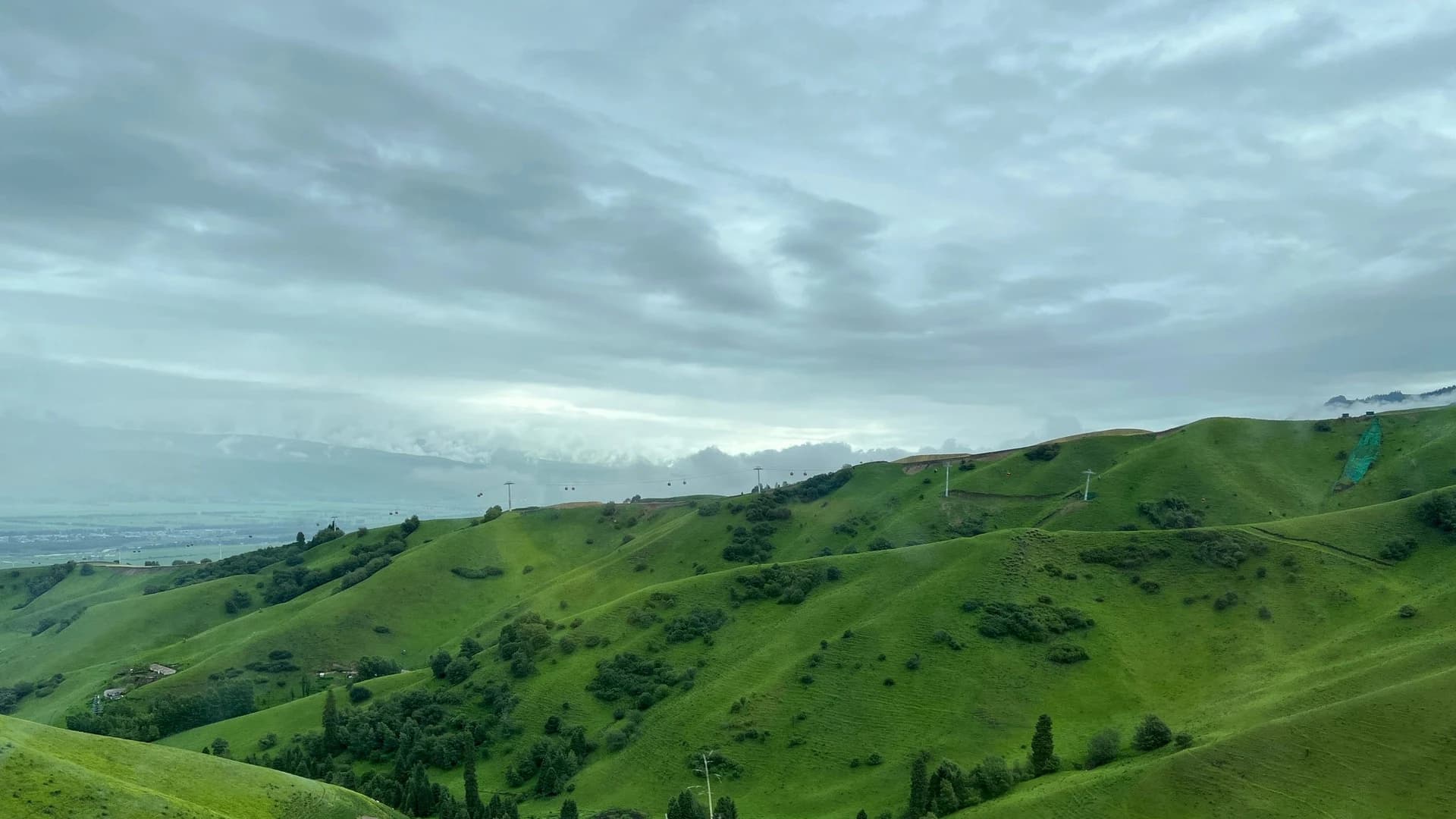
High meadow, forested slopes and river valleys form one of Ili’s best-known pastoral landscapes on the eastern side of the prefecture.
Practical tips
- Choose one current managed route and allow a full day; the scenic area is too dispersed for a hurried stop.
- Weather changes quickly at elevation, and all horse riding or other activities should use regulated providers with visible safety practices.
Kalajun Grassland
喀拉峻草原
Rolling highland pasture near Tekes combines open meadow, dark spruce forest and distant snow peaks in a more expansive landscape than a single viewpoint suggests.
Practical tips
- Use designated shuttles and trails, and do not follow old recommendations for informal camping or unsupported crossings.
- Carry sun, wind and rain protection and keep a respectful distance from livestock and working herders.
Guozigou
果子沟
A steep green corridor through the Tianshan west of Sayram Lake, historically important as a route into the Ili valley and now crossed by major transport infrastructure.
Practical tips
- View the valley only from legal stopping places or managed scenic areas; never stop on an expressway shoulder for photographs.
- Road, weather and construction conditions can change, so treat the corridor as a transfer with optional views rather than a fixed roadside attraction.
Zhaosu Grassland
昭苏草原
A high basin of meadow, wetland and cultivated land around Zhaosu, enclosed by Tianshan ranges and closely associated with the county’s horse-breeding traditions.
Practical tips
- Use established scenic areas and public roads; open pasture and wetlands are working and protected landscapes, not unrestricted driving terrain.
- Horse festivals and flowering seasons move with the calendar and weather, so verify current events and field conditions before making a special journey.
Tangbula Grassland
唐布拉草原
A long landscape corridor in Nilka County where grassland, spruce forest, rivers and mountain slopes form a quieter eastern extension of the Ili valley journey.
Practical tips
- Treat Tangbula as a dedicated overland day or overnight rather than an add-on to distant Nalati or Zhaosu.
- Confirm current road and scenic-area access, use designated stops and avoid unsupported hikes into remote valleys.
Food & dining
Eat with a little local context.
Ili’s table combines pastoral dairy and meat traditions with bread, rice and noodle dishes found across Xinjiang. Order modestly, share dishes and observe halal house rules where they apply.
Kazakh-style milk tea
哈萨克奶茶
Black tea mixed with milk and often salt is served as an everyday drink and accompaniment to bread or dairy foods.
Try it this way: Taste before adding sugar because the intended flavor may be savory rather than sweet.
Baked samsa
烤包子
Crisp tannur-baked parcels hold a hot filling of meat, onion and seasoning.
Try it this way: Eat carefully when fresh because rendered juices and filling can be extremely hot.
Mutton pilaf
羊肉抓饭
Rice, carrot, onion and mutton cook together into a rich, filling dish common across the valley.
Try it this way: Ask about serving size and batch time; a specialist may sell out after the main meal period.
Narin
纳仁
Noodles or thin dough pieces are served with meat and broth in a substantial pastoral-style dish.
Try it this way: Confirm the meat and portion before ordering, especially if you have dietary restrictions.
Smoked meat and horse sausage
熏肉与马肠
Cured and smoked meats, including horse sausage, are traditional cold-season foods associated with Kazakh households and restaurants in Ili.
Try it this way: Try a small shared portion from a reputable kitchen and ask clearly about ingredients if horse meat is unfamiliar or unsuitable for you.
Snowflake ice
雪花凉
A cold sweet combining finely shaved ice with syrup and other toppings, popular as relief during warm valley weather.
Try it this way: Choose a busy shop with clean ice handling and ask for less syrup if you prefer a lighter sweetness.
FAQ
Questions worth answering before you go.
How many days should I spend in Ili Prefecture?
Four days is a practical minimum for Yining, one western-valley day and one grassland. Five or more days gives Kalajun or a second grassland enough space without turning every day into a long transfer.
Where should I base myself?
Yining is the most useful base for the Ili River, Huiyuan, Huocheng and western-valley travel. Nalati and Kalajun are far enough away that an overnight closer to each landscape is usually more sensible than returning to Yining.
When are Ili’s grasslands most rewarding?
Late spring and summer generally bring greener meadow and more flowers, but exact timing, rain and road conditions vary by elevation. Shoulder seasons can be quieter and colder; always check short-range mountain weather and current access.
How can I visit pastoral areas respectfully?
Use public routes, ask before photographing people or homes, avoid livestock and never assume access to a camp or family space. Choose regulated activities and let residents define whether an interaction, meal or performance is open to visitors.
Can I rely on the old guide’s road and transport details?
No. Highways, scenic shuttles, border controls and seasonal routes have changed since the source was published. Confirm current official access and realistic drive times, and do not build a fixed onward connection immediately after a remote grassland transfer.