Last reviewed
Background
A basin city where trading streets, temple communities and modern districts sit close together.
Taipei occupies the low Taipei Basin, with the Tamsui River system to the west and volcanic mountains rising around the north. That geography shapes the visit: dense central districts connect quickly by metro, while Beitou's hot springs, Yangmingshan's uplands and Maokong's tea slopes feel markedly different from the streets below. Warm, humid summers, regular rain and seasonal typhoon risk make flexible planning more useful than a rigid checklist.
Bangka around Longshan Temple and the later tea-trading quarter of Dadaocheng preserve two early commercial centers. Japanese colonial planning and architecture, postwar migration, rapid late-twentieth-century growth and newer creative reuse all remain visible across the city. The result is not a single old town but a layered urban landscape of temples, markets, civic monuments, museums, bookstores and contemporary commercial districts.
Recommended itineraries
Recommended itineraries
Organize days by neighboring districts, leave room for rain and treat Jiufen, Pingxi and Tamsui as separate New Taipei destinations rather than squeezing them into a Taipei city checklist.
Taipei essentials
A first-visit route balancing older neighborhoods, major collections, mountain scenery and the modern skyline.
- Day 1 · Begin at Longshan Temple, walk the public historic streets of Bangka, continue to Ximending and the Red House, then explore Liberty Square and the surrounding civic quarter.
- Day 2 · Visit the National Palace Museum at a measured pace, continue to Beitou for the hot-spring landscape and local history, and finish with several small dishes at Shilin Night Market.
- Day 3 · Walk Dihua Street and Dadaocheng, cross the city for Taipei 101 and the Xinyi skyline, then choose Maokong for tea or a closer neighborhood dinner if weather is poor.
Slow city and mountains
A lower-pressure plan that gives Taipei's collections, historic districts and upland landscapes separate time.
- Day 1 · Longshan Temple, Bangka's historic lanes, Ximending and the Red House.
- Day 2 · Dadaocheng and Dihua Street, a riverside walk where conditions permit, then Ningxia or another established night market.
- Day 3 · National Palace Museum, followed by the Shilin area and a food-focused evening.
- Day 4 · Beitou's museum and public geothermal landscape, with a properly managed hot-spring visit if desired.
- Day 5 · Choose Yangmingshan for volcanic terrain and managed trails or Maokong for tea culture and hillside views, keeping a city alternative for wind or heavy rain.
Attractions & practical tips
What to see—and how to approach it.
Taipei 101
台北101
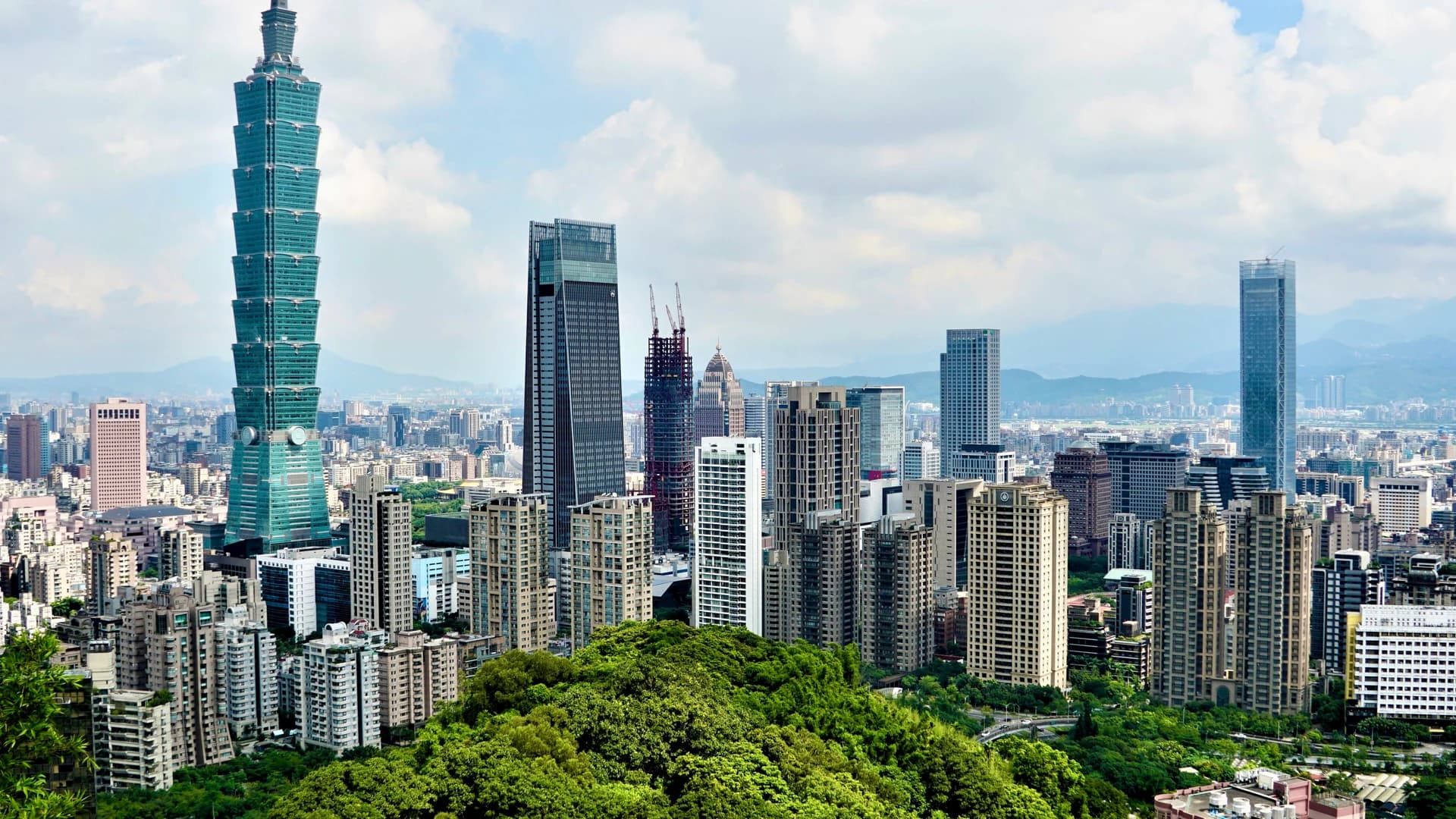
The bamboo-inspired tower anchors the Xinyi skyline and remains Taipei's clearest contemporary landmark. Its observatory explains the building's engineering while giving a basin-wide view that connects the dense city to its surrounding ridges.
Practical tips
- Choose a clear-weather window and verify current observatory admission, last entry and weather-related access before going.
- For a broader architectural view, see the tower from street level or a legal public viewpoint rather than visiting only the mall.
Longshan Temple and Bangka
龙山寺与艋舺
Longshan Temple is an active place of worship at the heart of one of Taipei's oldest commercial districts. Nearby Bopiliao, herb shops and temple-linked streets reveal Bangka as a living neighborhood rather than a preserved film set.
Practical tips
- Keep voices low, follow current incense and photography rules and never interrupt worshippers for a photograph.
- Walk only public lanes, approach vulnerable residents with respect and avoid turning the district's social history into spectacle.
Dadaocheng and Dihua Street
大稻埕与迪化街
Dadaocheng grew through nineteenth-century tea and river trade, leaving a long commercial street of shophouses, herbal goods, fabric businesses, temples and reused historic buildings. The district works best as a slow urban walk with attention to both established trades and newer creative tenants.
Practical tips
- Visit in the morning for working shops or later for the riverfront, and expect major crowding before Lunar New Year.
- Ask before photographing shop interiors or people and buy specialist food or medicine only when labels and ingredients are clear.
National Palace Museum
台北故宫博物院
The museum holds a vast collection of Chinese painting, calligraphy, bronzes, ceramics, jades, books and court objects. Rotating displays mean the rewarding approach is to follow a few themes closely rather than attempt the entire collection in one visit.
Practical tips
- Check the museum's official calendar, current opening days, ticketing and gallery notices; the PDF's 2012 hours and prices are obsolete.
- Allow at least two focused hours and follow gallery rules on photography, bags and quiet viewing.
Xinbeitou hot-spring district
新北投温泉区
Beitou's geothermal valley, bathhouse history, museum and wooded public buildings show how volcanic water shaped a distinctive resort district within Taipei. The value is as much cultural and environmental as recreational.
Practical tips
- Thermal Valley is for viewing only; stay behind barriers and keep away from steam and hot runoff.
- Use a licensed bath, confirm private or shared-bath rules in advance and wash before entering the water.
Yangmingshan
阳明山
The national park north of the basin brings fumaroles, grasslands, forest paths and seasonal flowers into Taipei's municipal landscape. Its volcanic terrain and fast-changing weather make it a substantial outing rather than a quick city stop.
Practical tips
- Select one current visitor area or managed trail, check weather and transport before departure, and carry water and rain protection.
- Stay on open paths, keep away from fumaroles and do not pick flowers or disturb wildlife.
Ximending and the Red House
西门町与西门红楼
Ximending is a dense pedestrian entertainment district of cinemas, street fashion, food and youth culture. The early-twentieth-century Red House adds a historic market building now used for performance and creative businesses.
Practical tips
- Go in the late afternoon or evening for street energy, but return earlier if you want to look closely at architecture and exhibitions.
- Keep valuables secure in crowds and verify current Red House exhibitions and closure days.
Liberty Square and Chiang Kai-shek Memorial Hall
自由广场与中正纪念堂
The monumental civic complex combines the memorial hall, broad public square, gardens, National Theater and National Concert Hall. It is both a major architectural space and a site where public interpretation of twentieth-century history continues to evolve.
Practical tips
- Read current exhibition framing and approach political history critically rather than relying on the PDF's celebratory 2012 commentary.
- Check official notices for gallery access, performances, ceremonies and crowd controls; the open square can be hot with little shade.
Shilin Night Market
士林夜市
One of Taipei's best-known night-market districts spreads through streets around Jiantan, combining food stalls, small shops, games and a purpose-built market hall. Its scale makes it accessible for a first look at night-market culture, though it can feel heavily visitor-oriented.
Practical tips
- Share small portions, check the price before ordering and favor busy stalls that cook food thoroughly.
- Use Jiantan rather than assuming the similarly named Shilin station is closest, and follow current pedestrian routes.
Maokong
猫空
Tea-growing hills above Wenshan pair walking paths and teahouses with broad views back across the Taipei Basin. The gondola makes the area easy to reach when operating, but tea culture and the mountain setting matter more than the ride alone.
Practical tips
- Check official gondola status before leaving because wind, lightning and maintenance can stop service.
- Choose a teahouse with clear prices, ask how tea is charged and keep to lit public paths after dark.
Food & dining
Eat with a little local context.
Taipei rewards grazing rather than chasing a fixed restaurant list. Night markets, breakfast shops, noodle counters and family-run specialists make it possible to compare several small dishes while seeing how migrant and local food traditions overlap.
Beef noodle soup
牛肉面
A Taipei staple of wheat noodles, braised or clear beef broth and tender meat, often adjusted at the table with pickled greens or chilli.
Try it this way: Ask whether the bowl uses tendon, offal or bone-in cuts and choose a busy specialist rather than the PDF's outdated named vendors.
Braised pork rice
卤肉饭
A small bowl of rice topped with soy-braised minced or chopped pork is an everyday foundation for a meal, usually paired with egg, tofu, greens or soup.
Try it this way: Order a small bowl first and check whether the sauce contains fatty pork, mushrooms or allergens not obvious from the English name.
Oyster vermicelli
蚵仔面线
Fine wheat vermicelli comes in a thick savory broth with oysters or pork intestine, finished with herbs, garlic and vinegar.
Try it this way: Confirm the topping before ordering, disclose shellfish allergies and eat oysters only from a stall cooking them thoroughly.
Pepper bun
胡椒饼
A crisp, oven-baked bun encloses peppery pork and scallions, making a compact night-market snack associated especially with Raohe Street.
Try it this way: Let the filling cool before biting, and check for pork, sesame and scallion if you have dietary restrictions.
Xiaolongbao
小笼包
Thin wrappers hold seasoned pork and hot broth in these steamed dumplings, which range from quick neighborhood fare to polished restaurant service.
Try it this way: Lift one gently, open it over a spoon and let the broth cool; confirm pork and shellfish fillings before ordering mixed baskets.
Shaved ice and seasonal fruit
刨冰与时令水果
Shaved ice topped with fruit, beans, taro or condensed milk offers relief in humid weather, while markets introduce visitors to guava, wax apple, pineapple and custard apple in season.
Try it this way: Choose fruit cut to order, confirm the price by weight before buying and never assume fresh fruit can cross your next border or quarantine checkpoint.
FAQ
Questions worth answering before you go.
How many days should I spend in Taipei?
Three days covers the central historic districts, one major museum, Taipei 101 and either Beitou or a mountain area. Five days allows a slower museum visit, both Beitou and an upland outing, and more neighborhood meals without treating New Taipei excursions as city stops.
When is Taipei most comfortable?
Autumn often brings easier walking conditions, but Taipei can be rainy in any season. Summers are hot and humid with typhoon risk; winters are mild but can feel damp. Check current forecasts and official weather warnings rather than relying on the PDF's 2012 seasonal claims.
Is Taipei easy to explore without a car?
Yes. The metro, buses and walking cover most first-visit districts, while mountain areas need more transfer planning. Use current official journey planners, keep a contactless transit or payment option available and verify the last connection instead of following route numbers in the old PDF.
What should I know before using a Beitou hot spring?
Rules vary by property: some shared baths are gender-separated and unclothed, others require swimwear, and private rooms have their own limits. Confirm the format before booking, wash first, keep towels out of the water and seek medical advice if heat exposure may be unsafe for you.
Are Jiufen, Pingxi and Tamsui part of Taipei city?
No. All three are in New Taipei City. They can be reached from Taipei, but Jiufen and the Pingxi railway deserve their own day and Tamsui should not be inserted into an already full city itinerary. Verify current rail, bus and crowd-control arrangements before departure.