
Last reviewed
Background
Taiwan's far south combines a walled town, uplifted coral terrain and exposed tropical coasts.
Pingtung stretches down the Hengchun Peninsula to Taiwan's southern capes. The source centers on Hengchun and Kenting, where strong sun, seasonal winds, coral limestone, forest and two different coastlines produce a landscape that cannot be understood from one beach alone.
Hengchun's surviving gates and street plan add late-Qing urban history to a trip usually marketed around Kenting National Park. Indigenous Paiwan place history, fishing communities, conservation zones and mass tourism also shape the peninsula, so respectful access and current park rules matter more than the PDF's old resort itinerary.
Recommended itineraries
Recommended itineraries
Base in legal accommodation, separate the western and eastern sides of the peninsula and never assume every coast is safe for swimming.
Hengchun and Kenting
A compact first route linking the historic town with managed coastal landscapes.
- Day 1 · Walk a public section of Hengchun Old Town and its gates, visit Chuhuo only from the managed viewing area and finish with food in town or on Kenting Street.
- Day 2 · Choose Eluanbi and one additional national-park landscape such as Maobitou or a forest trail, checking wind, surf and park access before departure.
Peninsula nature
A slower plan that avoids racing between dispersed capes and beaches.
- Day 1 · Hengchun gates, old streets and local food.
- Day 2 · Eluanbi, managed coral-limestone paths and an official visitor center or interpretation stop.
- Day 3 · Maobitou and a legal public beach or forest area selected for current conditions, with no water activity if warnings are in force.
Attractions & practical tips
What to see—and how to approach it.
Hengchun Old Town
恒春古城
Hengchun retains four historic gates and fragments of its late-Qing defensive circuit inside a living southern town.
Practical tips
- Walk a manageable public route between gates and pay attention to ordinary streets, not only isolated monuments.
- Stay out of traffic lanes, respect homes and temples and verify any wall access before climbing.
Chuhuo
出火
Natural gas seeping through fissures can ignite in small surface flames, creating an unusual geological stop outside Hengchun.
Practical tips
- View only from the official managed area and obey closures, barriers and fire rules.
- Never cook over, touch, enlarge or introduce fuel to the flames; conditions vary with rain and ground disturbance.
Kenting National Park
垦丁国家公园
Taiwan's first national park protects terrestrial and marine ecosystems across coral terraces, forest, grassland, beaches and coastal waters around the Hengchun Peninsula.
Practical tips
- Use the official visitor center and current park notices to select open sites; several ecological protection areas require authorization.
- Do not remove coral, shells, plants or animals, and avoid wildlife disturbance after dark.
Eluanbi
鹅銮鼻
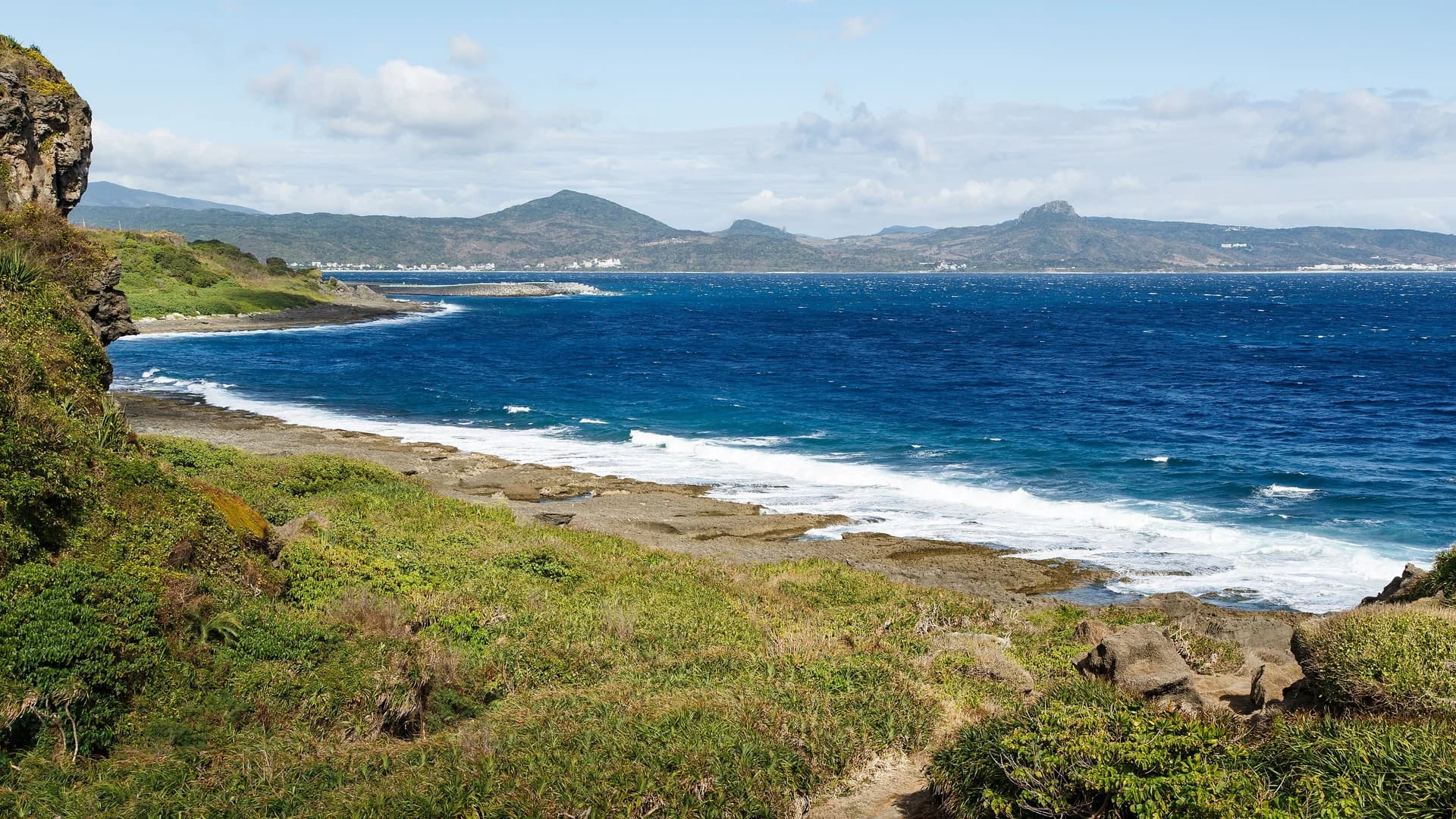
The southern cape combines a prominent lighthouse with uplifted coral-limestone terrain, coastal vegetation and broad views toward the Bashi Channel.
Practical tips
- Carry sun and wind protection and remain on managed paths because limestone surfaces and cliff edges can be hazardous.
- Check current lighthouse, park and weather access rather than using the PDF's old hours.
Maobitou
猫鼻头
A coral-limestone headland on the peninsula's western side, Maobitou offers folded coastal landforms and views across contrasting seas.
Practical tips
- Use official viewing paths and keep back from cliff edges, especially in strong wind.
- Visit outside peak coach hours when possible and follow current traffic controls.
Nanwan
南湾
A broad, popular bay south of Hengchun supports beach recreation and licensed water activities when sea conditions permit.
Practical tips
- Swim only in designated, lifeguarded areas and obey flags, closures and operator instructions.
- Avoid the water during typhoons, high surf, lightning or strong-current warnings, regardless of other visitors.
Food & dining
Eat with a little local context.
The peninsula mixes Hengchun food traditions, fishing-port seafood and visitor-oriented Kenting Street. Prefer transparent menus and local ingredients over dated celebrity vendors.
Kenting Street snacks
垦丁大街小吃
The evening strip brings together grilled food, fruit drinks, snacks and a large range of visitor-focused international dishes.
Try it this way: Check prices and ingredients first, share portions and keep pedestrian and residential access clear.
Hengchun Peninsula seafood
恒春半岛海鲜
Fresh fish, squid and shellfish connect local meals with the peninsula's fishing harbors and surrounding seas.
Try it this way: Confirm species, weight and price before cooking, and disclose shellfish allergies.
Southeast Asian flavors
东南亚风味
Tourism and regional connections have made Thai and other Southeast Asian-style dishes a visible part of Kenting's restaurant landscape.
Try it this way: Ask about fish sauce, shellfish, peanuts and chilli rather than assuming a vegetable dish is vegetarian.
Hengchun small dishes
恒春小吃
Town eateries offer noodles, braised foods, soups and seasonal produce away from the busiest resort strip.
Try it this way: Eat in Hengchun for a calmer evening and use translated ingredient notes for pork, seafood and allergens.
FAQ
Questions worth answering before you go.
How many days should I allow for Kenting and Hengchun?
Two days is the minimum for the town and selected park landscapes. Three days gives safer weather flexibility and avoids spending the trip in transit.
Can I visit as a day trip from Kaohsiung?
It is possible but rushed. The peninsula is in Pingtung County and its sites are dispersed, so an overnight stay is the better first-visit plan.
Do I need a scooter?
No. Use current legal buses, a licensed driver or other insured transport. Rent a scooter only if your license is valid locally, you have proper insurance and you are experienced in the conditions.
Are all Kenting beaches safe for swimming?
No. Currents, surf, reefs, seasonal winds and protected zones differ by beach. Swim only where currently designated and supervised, and obey all warning flags.
What weather risks matter most?
Strong sun, heat, wind, heavy rain and typhoons can all change coastal access. Check official forecasts and park notices daily and keep a non-beach alternative.